
 English
 中文简体
中文简体 русский
Article Directory
- 1 1. Navigating CPR Classifications for Flame Retardancy
- 2 2. Achieving RoHS and REACH Compliance through Lead-Free Formulations
- 3 3. Thermal Stability and Mechanical Integrity
- 4 4. Weathering and Environmental Resistance for Outdoor Infrastructure
- 5 5. Manufacturing Excellence and Quality Assurance
- 6 Frequently Asked Questions (FAQ)
- 6.1 1. What is the difference between RoHS and REACH in PVC cable compounds?
- 6.2 2. Can PVC compounds achieve the same fire rating as LSZH?
- 6.3 3. Why is lead-free stabilization important for B2B wholesalers?
- 6.4 4. How does UV stabilization affect the lifespan of a cable?
- 6.5 5. What makes Hangzhou Meilin a reliable partner for cable materials?
- 7 Industry References and Standards
The global cable manufacturing landscape is undergoing a rigorous transition driven by stringent safety and environmental regulations. For industry professionals, understanding the technical nuances of pvc compounds for cables is no longer just about performance—it is about total regulatory alignment. As construction projects demand higher safety tiers under the Construction Products Regulation (CPR) and global markets enforce the Restriction of Hazardous Substances (RoHS) directive, the chemical formulation of cable materials must evolve.
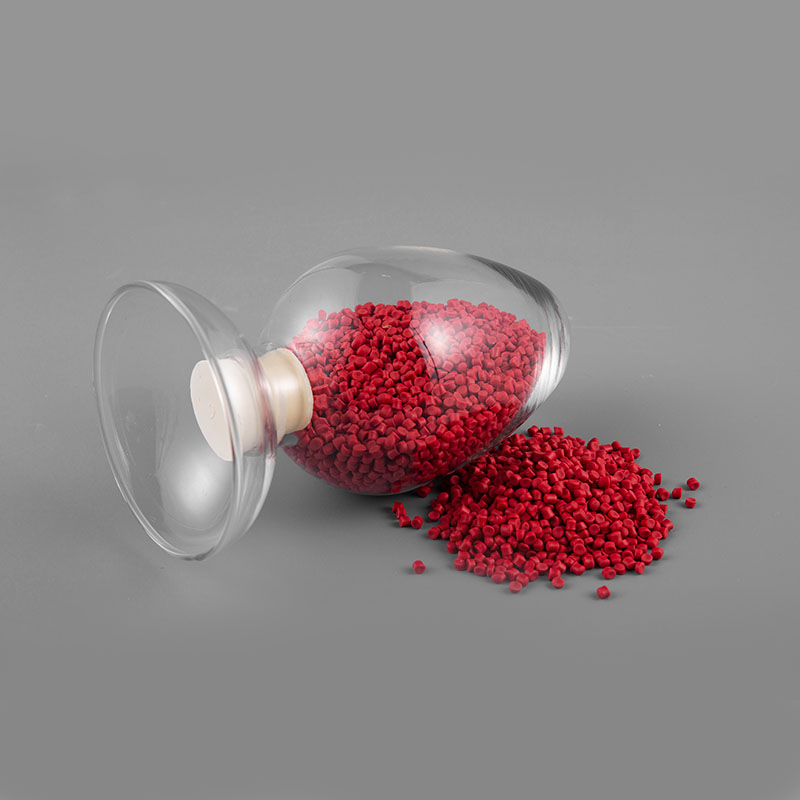
At Hangzhou Meilin New Material Technology Co., Ltd., we have integrated these requirements into our 31 advanced automated production lines. With over 30 years of expertise since our founding in 1994, we specialize in high-performance materials including LSZH, PVC, and XLPE to meet these evolving engineering challenges.
The European CPR (EN 50575) classifies cables based on their reaction to fire. Achieving a high Euroclass rating (such as B2ca or Cca) requires flame retardant PVC compounds for cable insulation that minimize heat release and flame spread. Traditional PVC inherently possesses some flame retardancy due to its chlorine content, but modern standards necessitate the addition of synergistic flame retardants like Antimony Trioxide or Alumina Trihydrate (ATH).
When comparing standard PVC with CPR-compliant grades, the primary differences lie in the heat release rate (HRR) and the acidity of evolved gases. While standard grades prioritize cost-effectiveness, CPR-compliant compounds focus on life safety metrics.
| Performance Metric | Standard PVC Compound | CPR-Compliant PVC (B2ca/Cca) |
| Flame Spread | Moderate resistance | High self-extinguishing properties |
| Smoke Production (s1/s2) | High density smoke | Low smoke density additives included |
| Droplet Formation (d0/d1) | May produce flaming droplets | Designed to eliminate flaming droplets |
2. Achieving RoHS and REACH Compliance through Lead-Free Formulations
Environmental sustainability is anchored in the elimination of heavy metals. Modern procurement strategies now prioritize lead-free PVC cable compound manufacturers to ensure compliance with RoHS 3.0. Historically, lead-based stabilizers were favored for their excellent thermal stability; however, they are now replaced with Calcium-Zinc (Ca-Zn) or organic-based stabilizers (OBS).
Calcium-Zinc stabilizers not only satisfy toxicity requirements but also enhance the color stability and initial whiteness of the insulation. This transition is critical for flexible PVC compound for power cables used in indoor appliances and consumer electronics, where human contact and environmental leaching are primary concerns.
3. Thermal Stability and Mechanical Integrity
For industrial applications, high-temperature resistant PVC cable granules must maintain their dielectric strength even under continuous operating temperatures of 90°C or 105°C. This is achieved through high-molecular-weight PVC resins and specialized plasticizers with low volatility, such as Trimellitates.
In terms of mechanical performance, high-temperature grades exhibit significantly lower mass loss during thermal aging compared to general-purpose grades, ensuring a longer service life for the cable infrastructure.
| Property | General Purpose PVC (70°C) | High-Temperature PVC (105°C) |
| Plasticizer Type | Standard Phthalates (DOTP) | Trimellitates or Polymeric Plasticizers |
| Thermal Aging (168h) | Significant elongation loss at 136°C | Maintains >75% properties at 136°C |
| Application | Internal wiring | Engine room & industrial power leads |
4. Weathering and Environmental Resistance for Outdoor Infrastructure
Cables installed in solar farms or outdoor telecommunications require UV stabilized PVC compound for outdoor cables. UV radiation can cause "photo-degradation," leading to cracking and brittle failure of the cable jacket. By incorporating micro-fine carbon black or chemical UV absorbers, the compound can withstand prolonged exposure to sunlight and oxidative stress.
Compared to standard indoor materials, UV-stabilized compounds provide a much higher retention of tensile strength after accelerated weathering tests (ASTM G154).
- Long-term Durability: Reduced surface chalking and discoloration.
- Chemical Resistance: Enhanced protection against environmental pollutants and moisture ingress.
- Low-Temperature Flexibility: Optimized for installation in cold climates without cracking.
5. Manufacturing Excellence and Quality Assurance
The production of pvc compounds for cables at scale requires precision. Hangzhou Meilin New Material Technology Co., Ltd. operates across three specialized plants with over 45,000 square meters of construction area. Our 31 automated production lines ensure that every batch of flexible PVC compound for power cables meets the strict tolerances required for high-speed extrusion lines.
With an output value exceeding RMB 700 million in 2024, our facility combines massive capacity with technical rigor, supported by a team where 30% of the workforce consists of science and management professionals. This infrastructure allows us to deliver consistent, RoHS-compliant materials to both domestic and international markets.
---
Frequently Asked Questions (FAQ)
1. What is the difference between RoHS and REACH in PVC cable compounds?
RoHS specifically restricts 10 hazardous substances (like lead and cadmium) in electrical equipment, while REACH is a broader regulation addressing the production and use of all chemical substances and their potential impacts on human health and the environment.
2. Can PVC compounds achieve the same fire rating as LSZH?
While LSZH (Low Smoke Zero Halogen) is preferred for minimal smoke toxicity, highly engineered flame retardant PVC compounds for cable insulation can achieve high CPR ratings (like Cca) through advanced additives, though they still contain halogens.
3. Why is lead-free stabilization important for B2B wholesalers?
Lead-free compounds ensure that wholesalers can sell into any global market, including the EU and North America, without risking customs rejection or legal non-compliance regarding environmental safety standards.
4. How does UV stabilization affect the lifespan of a cable?
Using a UV stabilized PVC compound for outdoor cables can extend the jacket life from 2-3 years (standard PVC) to over 15-20 years in outdoor environments by preventing polymer chain scission caused by solar radiation.
5. What makes Hangzhou Meilin a reliable partner for cable materials?
With 31 automated lines, two major company entities, and 30 years of history, we offer the scale of a Tier-1 manufacturer with the technical depth of 5 senior engineers to customize compounds to specific project requirements.
Industry References and Standards
- International Electrotechnical Commission (IEC) - Standard 60332-1 for Flame Propagation.
- European Committee for Electrotechnical Standardization (CENELEC) - EN 50575 for CPR.
- Restriction of Hazardous Substances (RoHS) Directive 2011/65/EU and (EU) 2015/863.
- ASTM D638 - Standard Test Method for Tensile Properties of Plastics.