

 English
 中文简体
中文简体 русский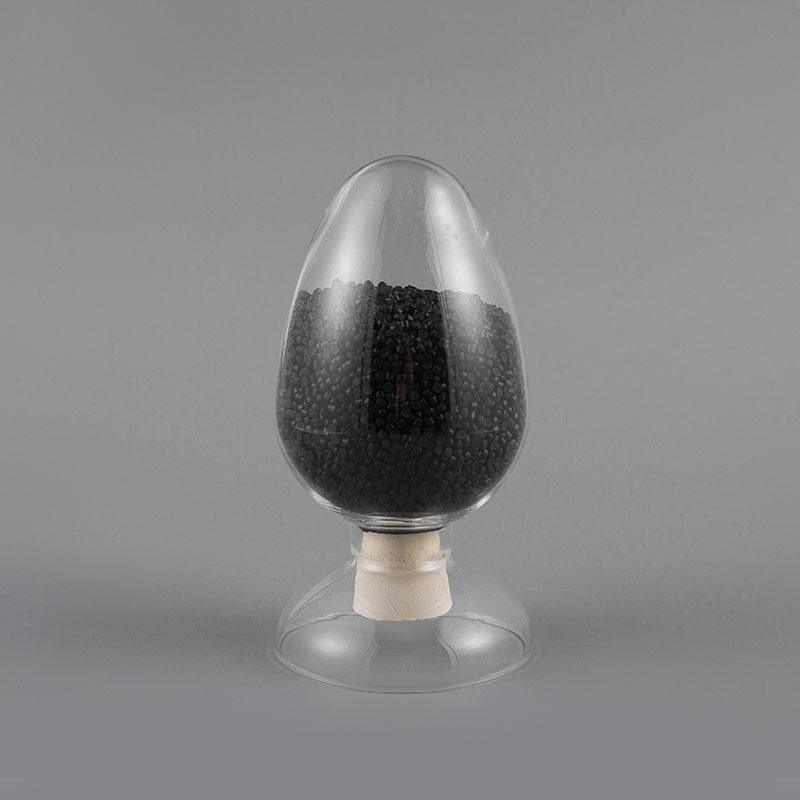
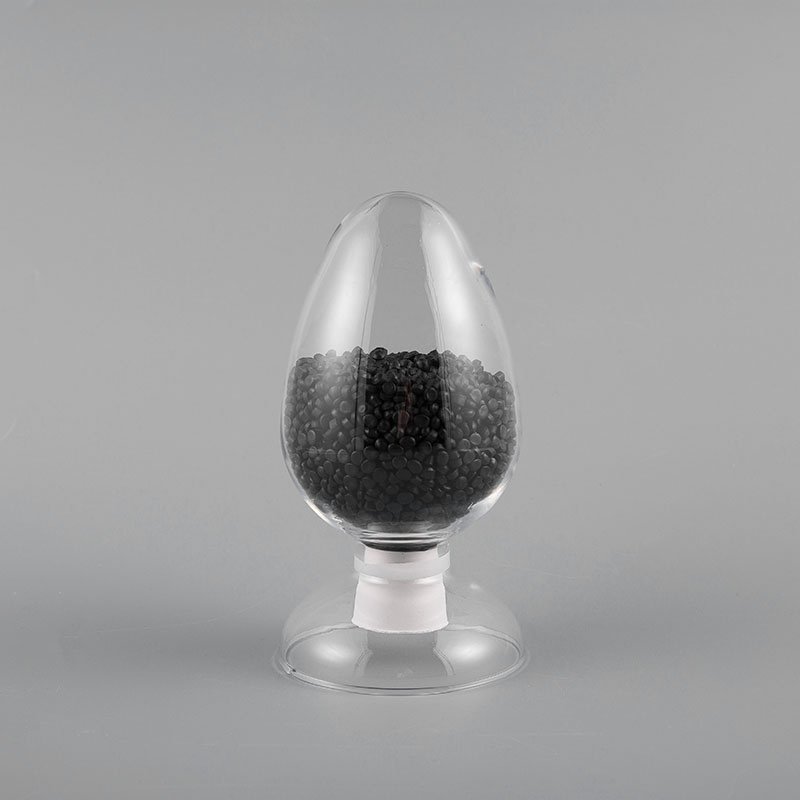
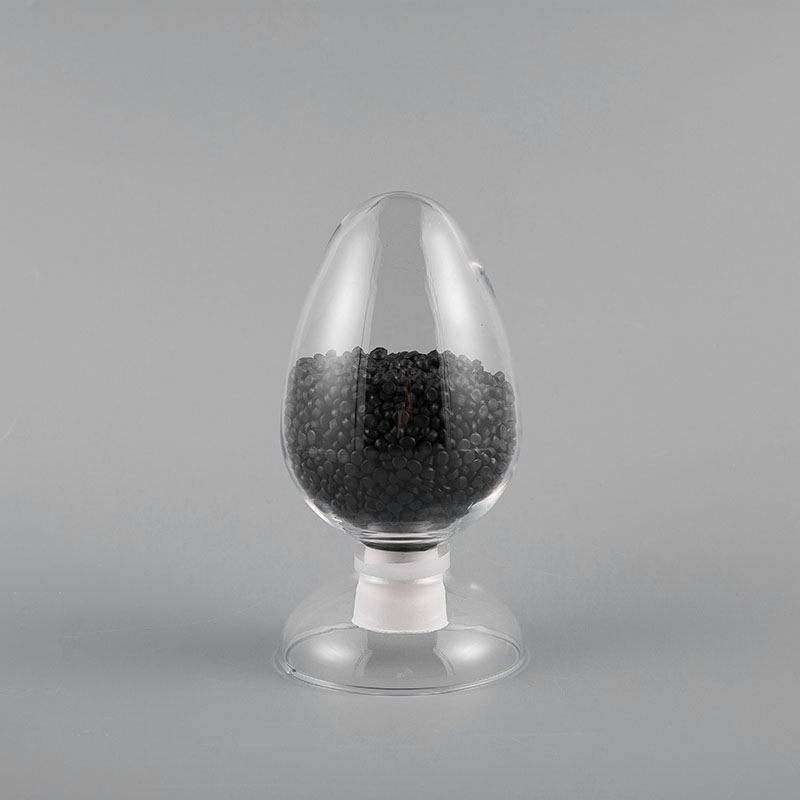
ML-H9001B 90℃ Halogen-Free Low Smoke Flame Retardant Class B Sheath Compound has low-smoke halogen-f...

Product Category
Related Products
Compound For Marine Cable Suppliers
-
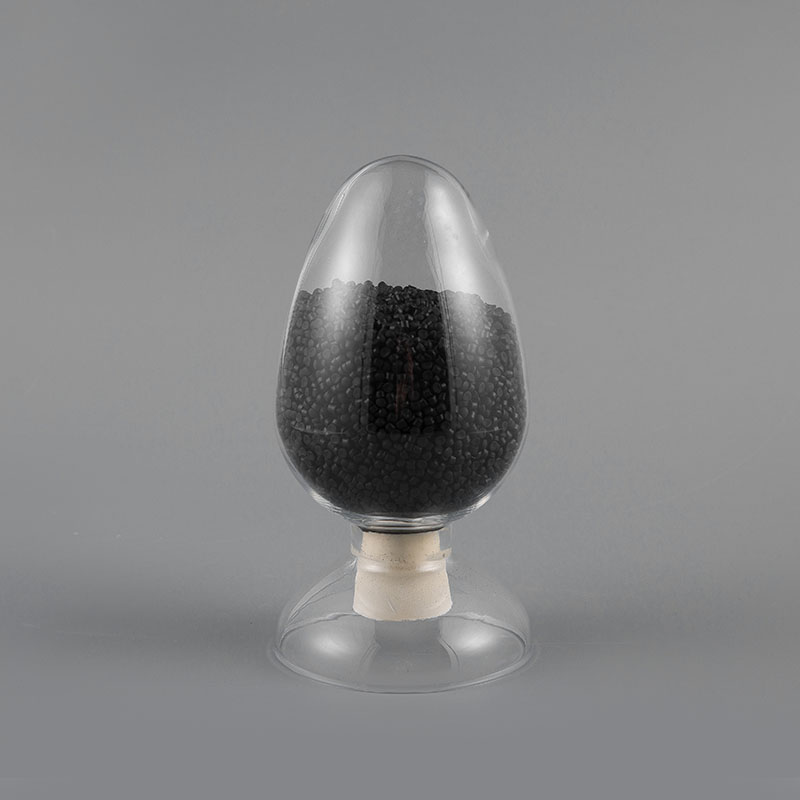
ML-FH9001 90℃ Radiation Cross-Linked Halogen-Free Low Smoke Flame Retardant Sheath Compound
More DetailsML-FH9001 90℃ Radiation Cross-Linked Halogen-Free Low Smoke Flame Retardant Sheath Compound is based...

ABOUT US
30YEARS OF
EXPERIENCE
About Us
Coming From China, Marketing To The World.
Hangzhou Meilin New Material Technology Co., Ltd. is China ODM/OEM Compound For Marine Cable Suppliers and Wholesale Compound For Marine Cable, we were established in July 1994 (formerly known as Zhejiang Lin'an Hongyan Plastic Factory). The company has two factories located at 619 Linglongshan Road and 259 Xingyu Street, Lingqiu Street, Linglong Industrial Park, Lin'an District, Hangzhou City. The registered capital of the company is 75 million yuan, covering an area of over 18000 square meters and a building area of over 30000 square meters. Currently, modern industrial factories and 18 advanced automated production lines have been built. The new factory area will be produced in 2021, making it the cleanest and most beautiful professional cable material manufacturer in the entire region—agreement conditions.
Honor
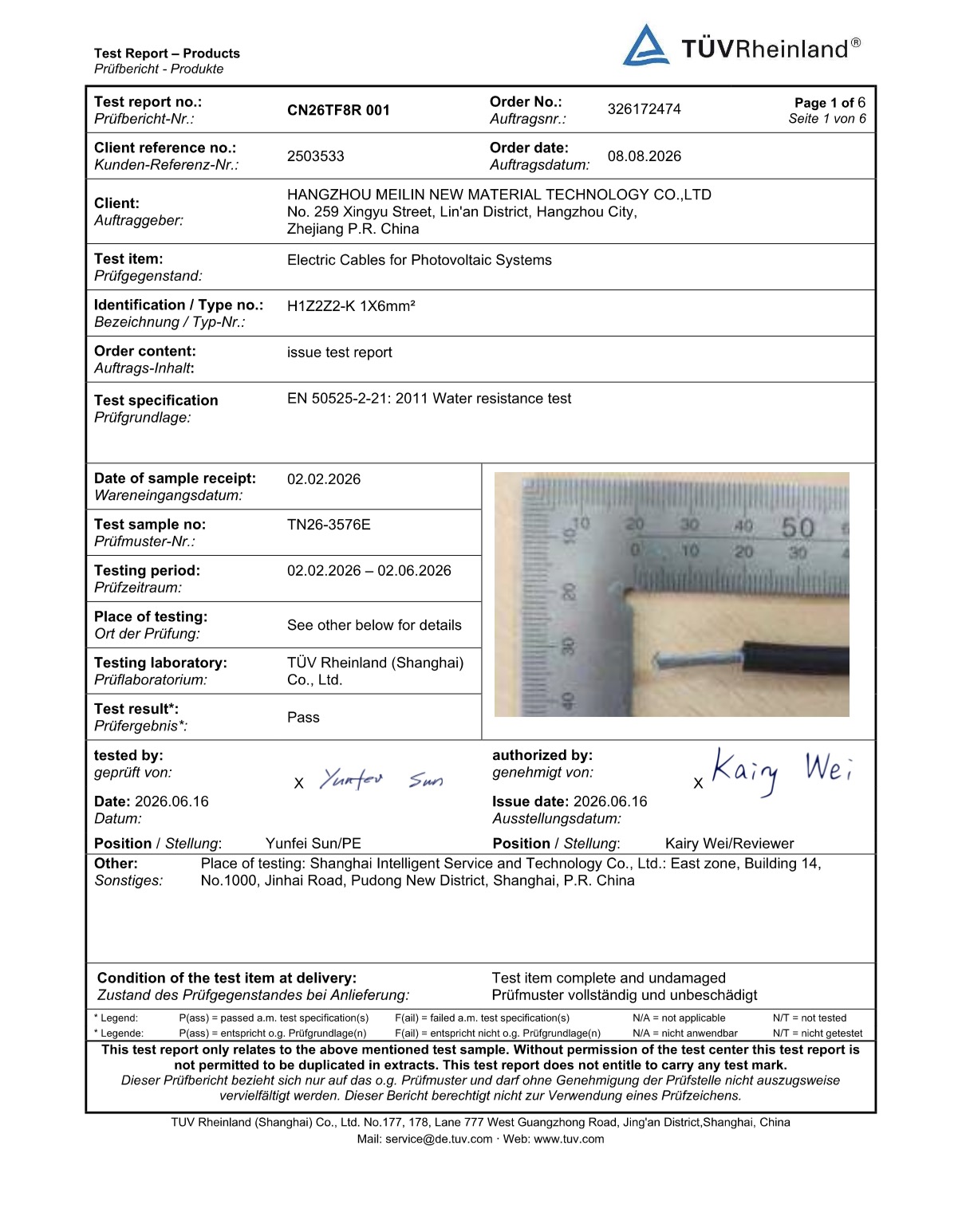
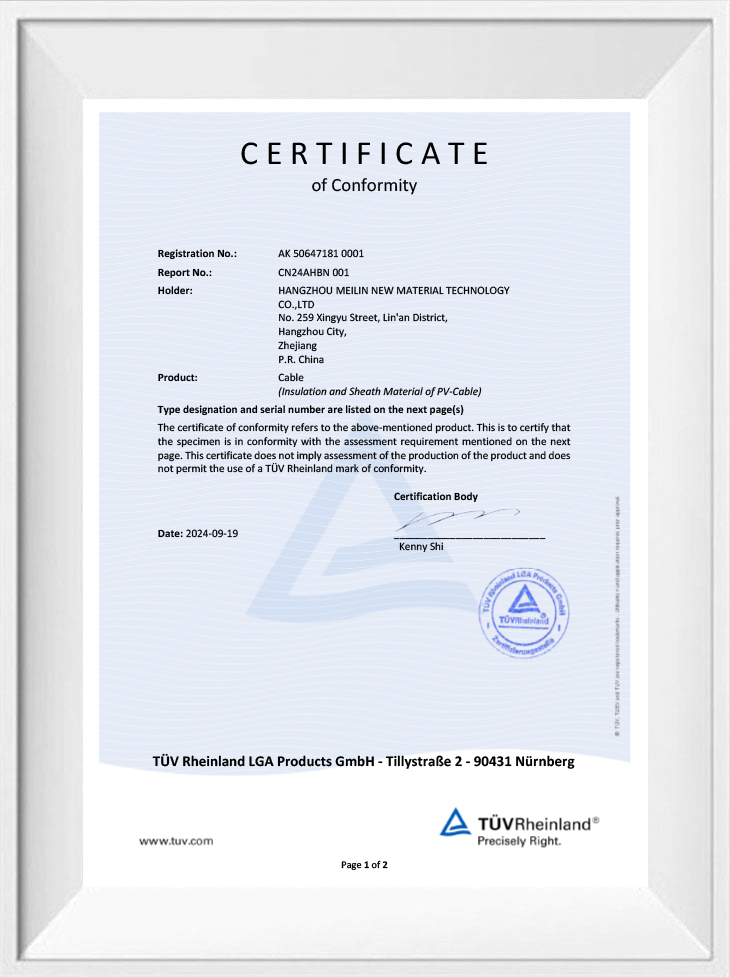
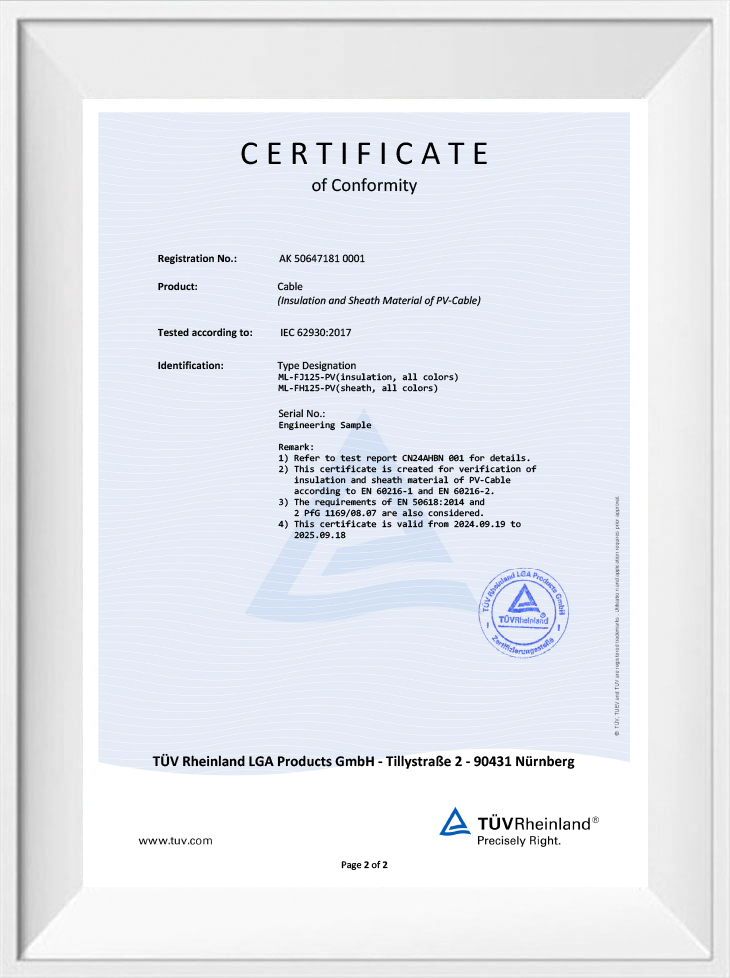
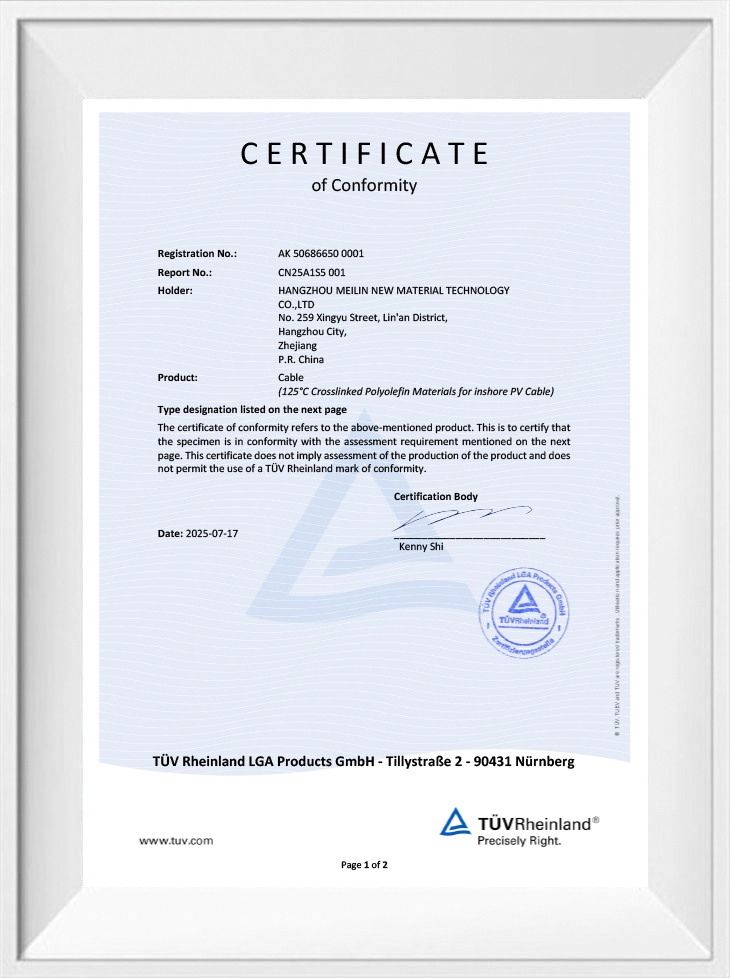
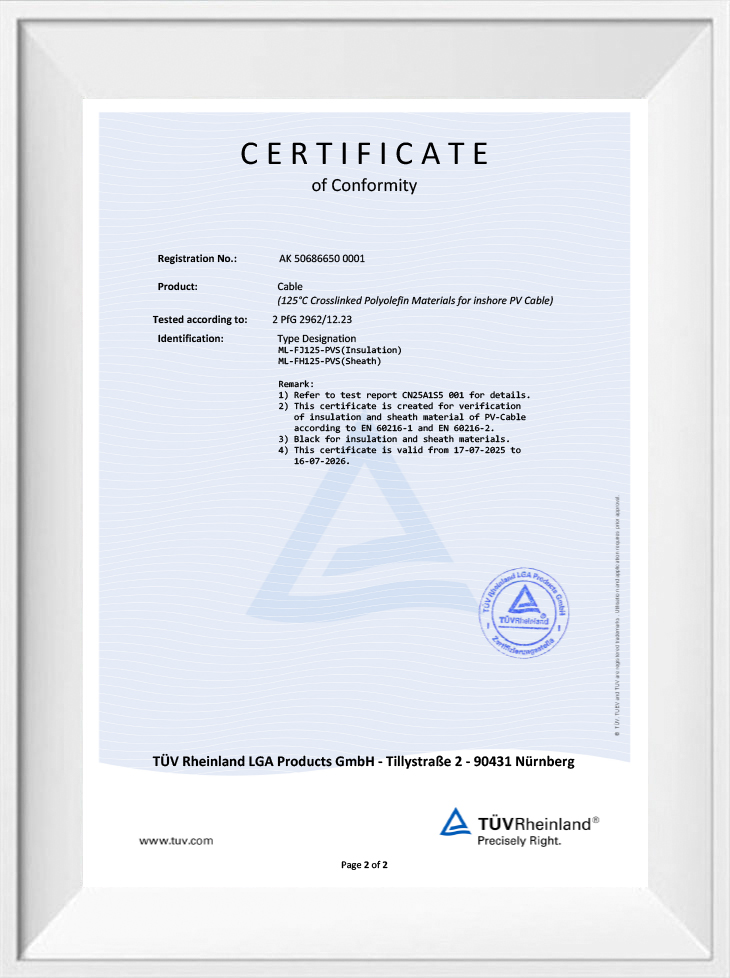
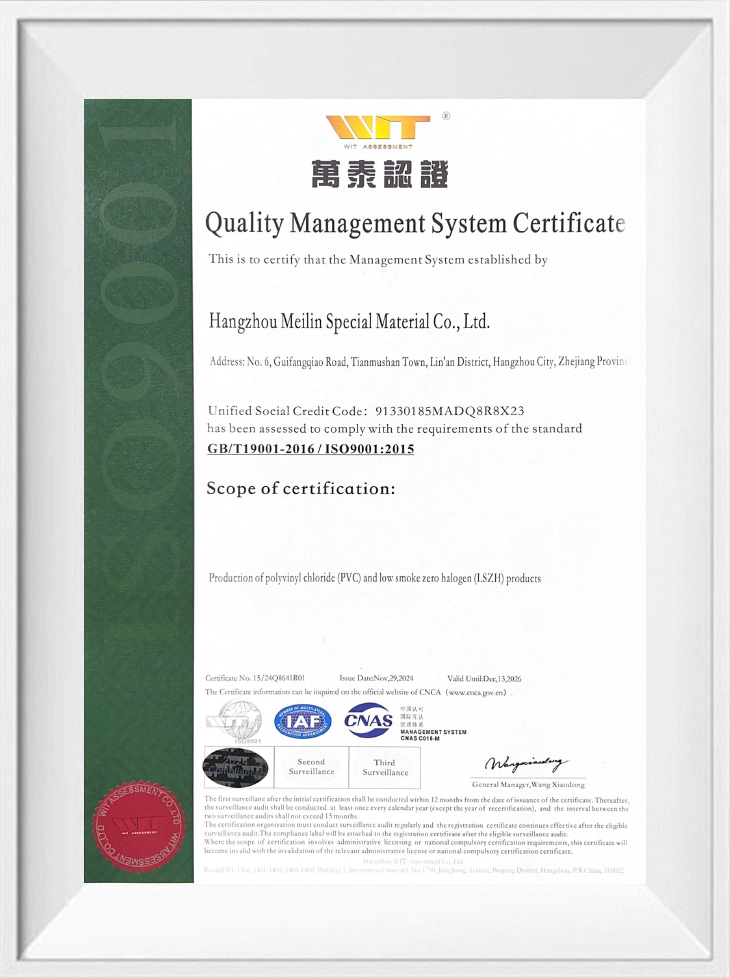
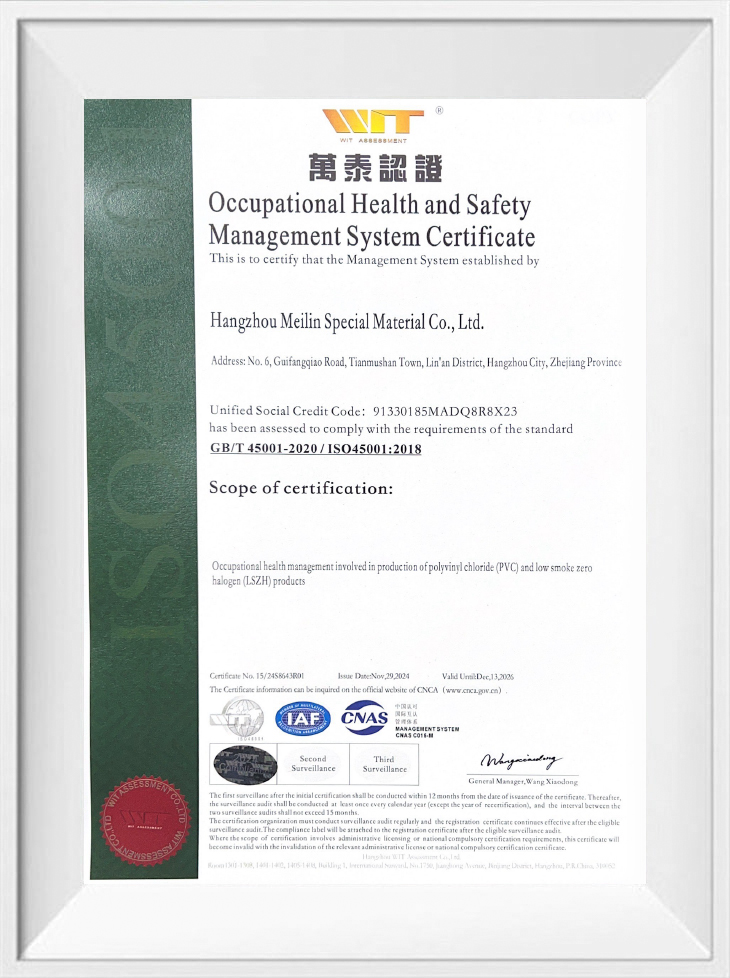
Certifications
News
-
admin 23 Sep 2026
LSZH Compound Testing and Certification: A Complete Guid...
Read MoreCable Material Qualification Guide Qualifying a low-smoke zero-halogen (LSZH) compound for a new cable project usually starts with a stack of test reports that do not align: one shows IEC 60754-1 hal...
-
admin 21 Sep 2026
How to Choose the Right Polyvinyl Injection Compound
Read MoreA Polyvinyl Injection Compound earns its place in a toy production line through a narrow set of technical properties: melt flow behavior, impact resistance, color stability, and safety compliance. Ge...
-
admin 16 Sep 2026
LSZH Compound Formulation and Production Process: A Prac...
Read MoreAn LSZH jacket that looks flawless on the spool can still fail a tensile test at the cable maker's line, or develop surface bubbles that no die adjustment seems to fix. The cause is rarely the extru...
-
admin 09 Sep 2026
How Smoke Density Affects Cable Material Choice: PVC vs ...
Read MoreSmoke is the first lethal hazard in a cable fire. Inside a corridor, tunnel, or riser shaft, dense smoke can cut visibility to under one meter within minutes, and most fire fatalities are caused by s...
Compound For Marine Cable Industry Knowledge
Performance requirements and technical standards for marine cable composite materials
Marine cables operate in complex and harsh marine environments for a long time, and their composite materials must meet multiple performance requirements and follow strict technical standards. The following is an analysis from the dimensions of core performance, key indicators, international standards and typical material comparison:
Core performance requirements
Salt spray resistance and corrosion resistance
Challenges: High concentrations of chloride ions in seawater easily penetrate materials, causing corrosion of metal conductors and degradation of insulation layers.
Solution: Composite materials must have low water absorption (usually <0.5%) and excellent chemical stability, such as using fluoropolymers (such as ETFE) or cross-linked polyethylene (XLPE) as insulation layers.
High pressure resistance and mechanical strength
Deep sea pressure: For every 10 meters of water depth, the pressure increases by about 1 atmosphere, and the 3,000-meter deep sea must withstand 300 times the atmospheric pressure.
Material requirements: The sheath material must have high strength (such as the tensile strength of polyethylene ≥20 MPa) and elastic modulus (such as the modulus of EVA ≥100 MPa) to prevent deformation or rupture.
Low temperature resistance and anti-aging
Deep sea temperature: The water temperature below 1000 meters is close to 0-4℃, and flexibility must be maintained (such as the brittle temperature of XLPE ≤-70℃).
Long-term stability: Through accelerated aging tests (such as UL 1581 standard), verify the performance degradation of the material within a 20-year service life.
Flame retardant and low smoke halogen-free
Safety requirements: Flame retardant (such as UL 94 V-0 grade) is required in the event of a ship fire or short circuit, and the amount of toxic gas released during combustion must comply with the IEC 60754 standard (pH ≥ 4.3, conductivity ≤ 10 μS/mm).
International standards and certifications
Basic standards
IEC 60502: Rated voltage standard for power cables, specifies insulation thickness, conductor cross-sectional area, etc.
IEEE 1580: Design guidelines for submarine cables, covering requirements for material water pressure resistance and corrosion resistance.
Special standards
DNV GL-ST-F101: Dynamic cable standard, bending fatigue test for floating wind platform cables (such as no cracks after 100,000 cycles).
API 17E: Oil and gas platform cable standard, requiring materials to pass hydrogen sulfide (H₂S) environmental testing (concentration ≥ 50 ppm, 720 hours).
Certification system
ABS/DNV classification society certification: Verify the reliability of materials in extreme marine environments.
UL/CSA certification: Ensure that materials meet North American safety regulations.
Consulting Information
CONTACT US
05
-
 ADD:
ADD:No. 259 Xingyu Street, Lin'an District, Hangzhou City, Zhejiang Province
-
 TEL/FAX:
+86 571 63761139
-

-

-
CONTACT US
CONTACT US Creative project? Let's have a productive talk.
Copyright © Hangzhou Meilin New Material Technology Co., Ltd. All Rights Reserved. Privacy Policy Wholesale Compound For Marine Cable
