

 English
 中文简体
中文简体 русский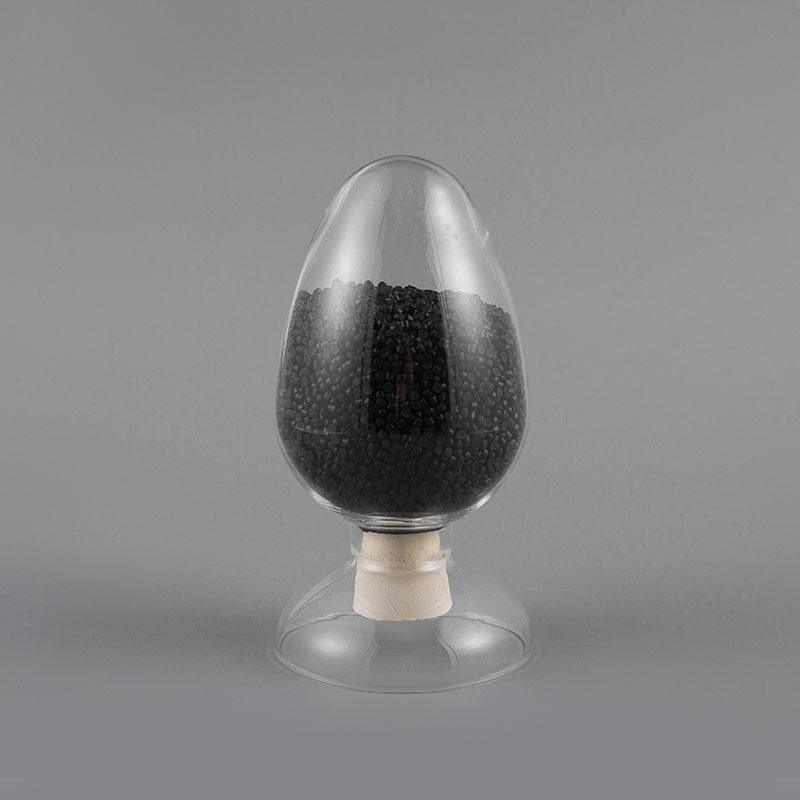
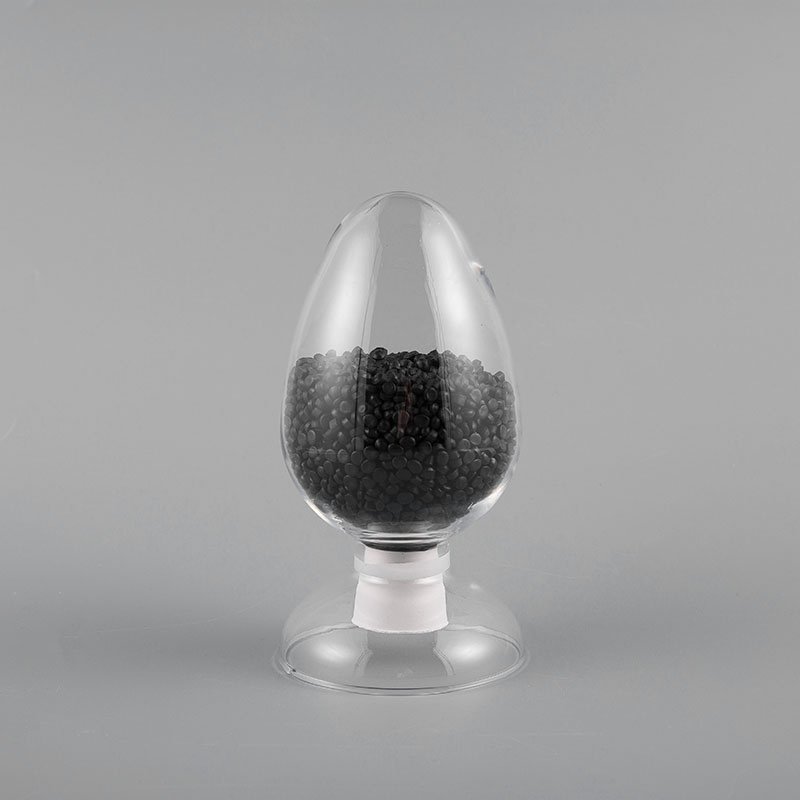
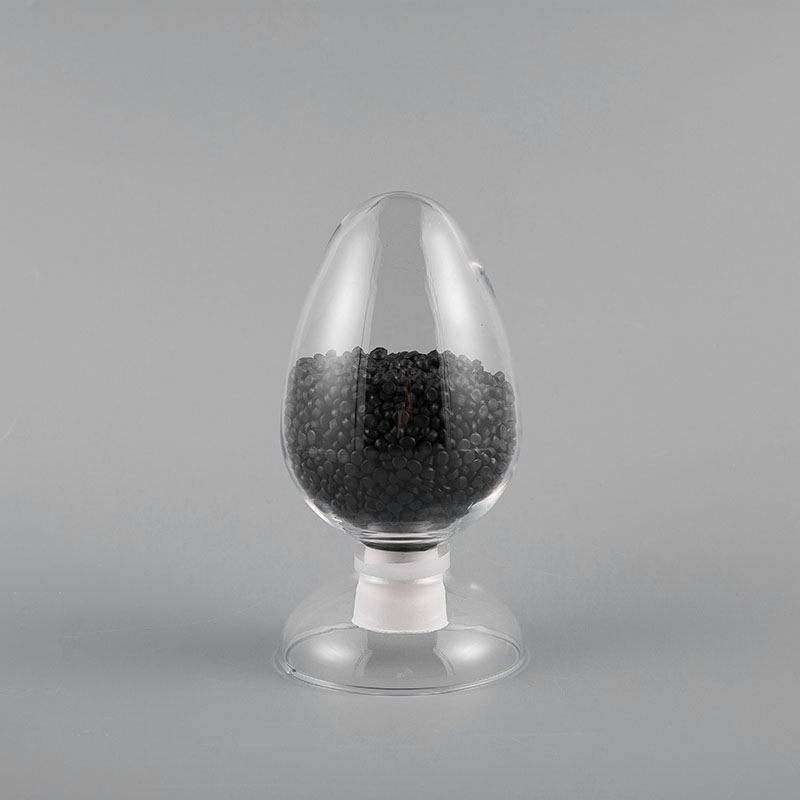
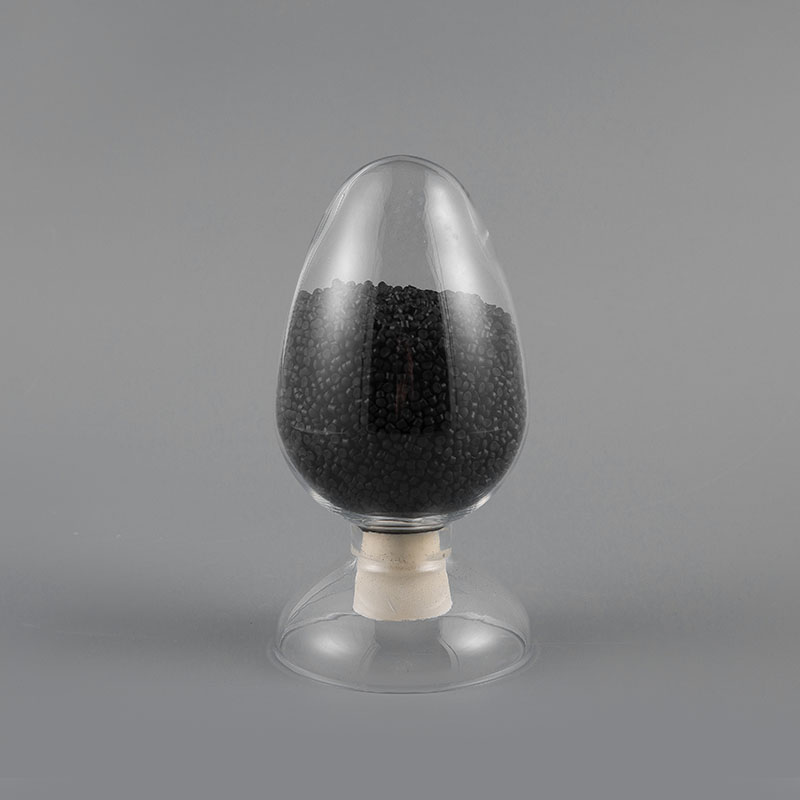
ULJ-105 YL UL105℃ Polyvinyl Chloride Sheath Compound for Medical Use is a special material designed ...

Product Category
Related Products
Medical Polyvinyl Chloride Compound Manufacturers
-
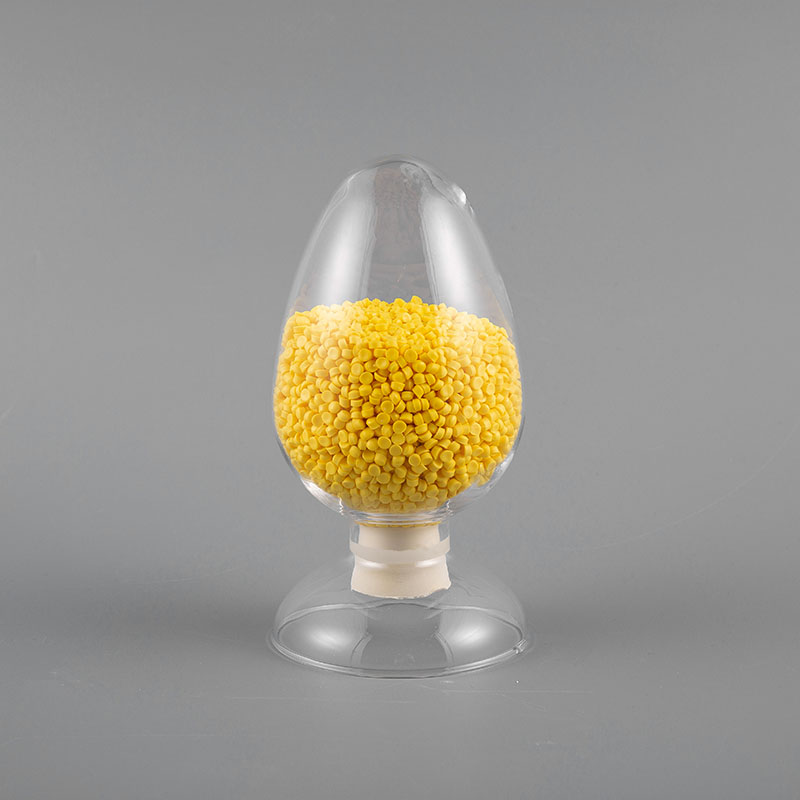
ULH-105 YL UL105℃ Polyvinyl Chloride Insulation Compound for Medical Use
More DetailsULH-105 YL UL105℃ Polyvinyl Chloride Insulation Compound for Medical Use is a high-performance wire ...

ABOUT US
30YEARS OF
EXPERIENCE
About Us
Coming From China, Marketing To The World.
Hangzhou Meilin New Material Technology Co., Ltd. is China Custom Medical Polyvinyl Chloride Compound Manufacturers and Medical Polyvinyl Chloride Compound ODM/OEM Exporters, we were established in July 1994 (formerly known as Zhejiang Lin'an Hongyan Plastic Factory). The company has two factories located at 619 Linglongshan Road and 259 Xingyu Street, Lingqiu Street, Linglong Industrial Park, Lin'an District, Hangzhou City. The registered capital of the company is 75 million yuan, covering an area of over 18000 square meters and a building area of over 30000 square meters. Currently, modern industrial factories and 18 advanced automated production lines have been built. The new factory area will be produced in 2021, making it the cleanest and most beautiful professional cable material manufacturer in the entire region—agreement conditions.
Honor
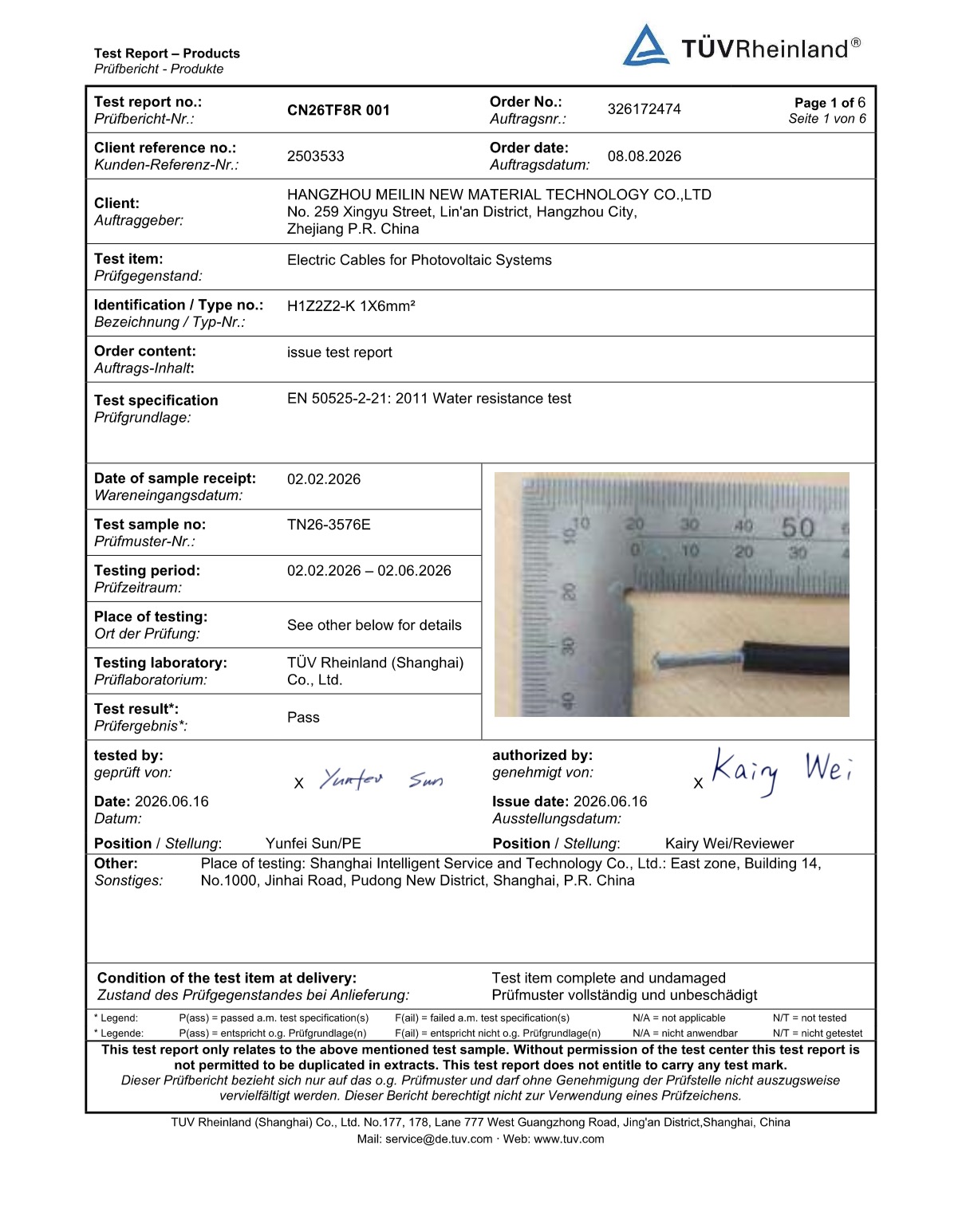
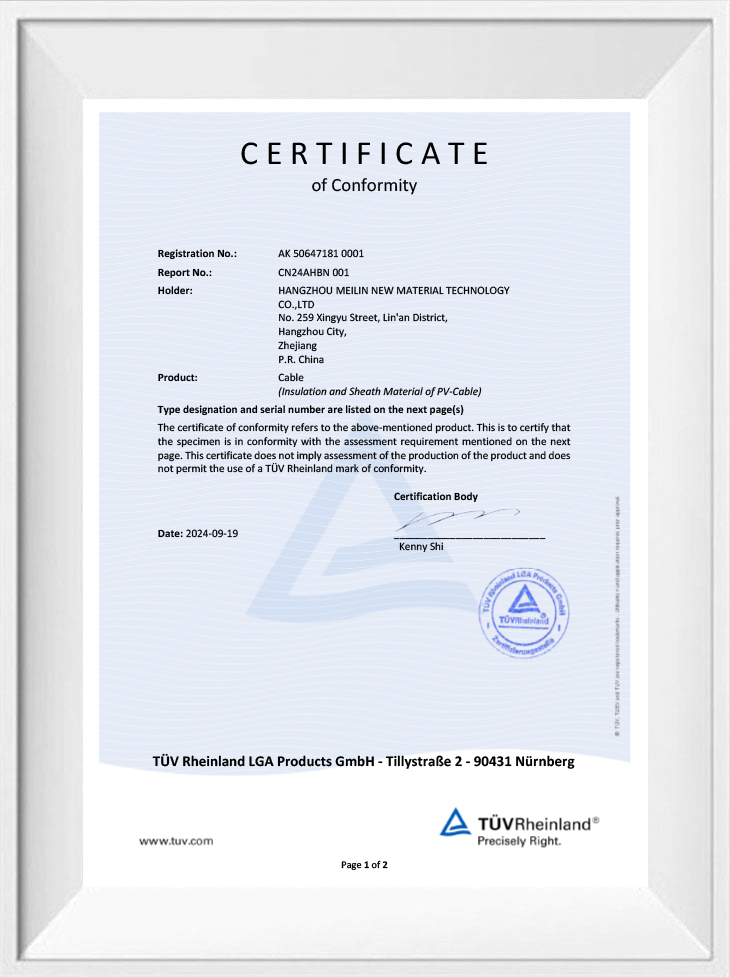
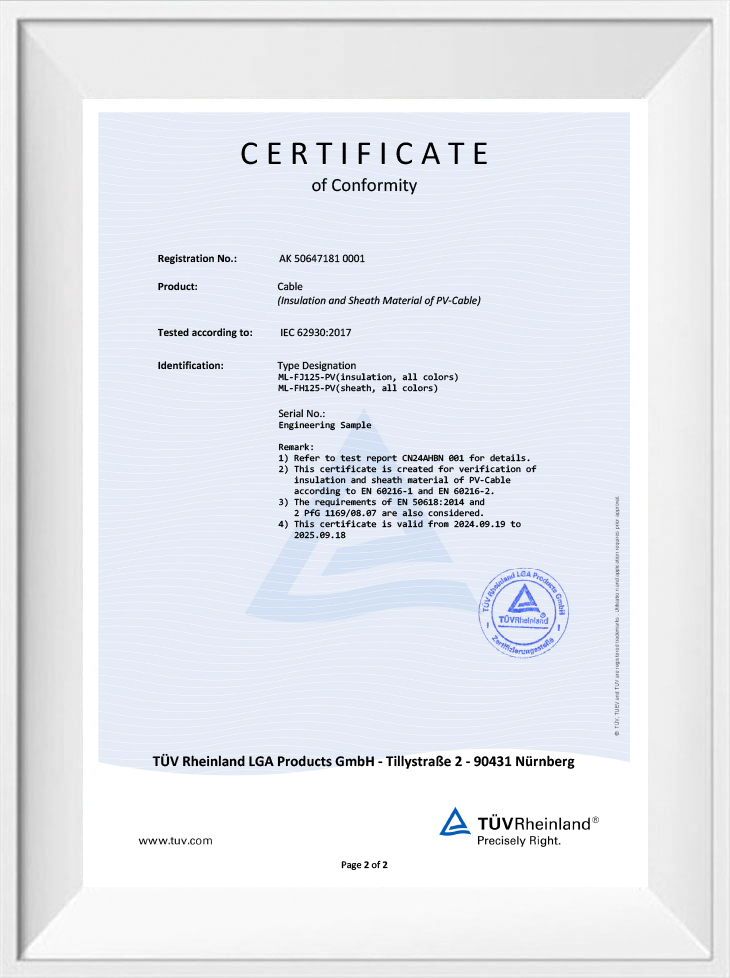
Certifications
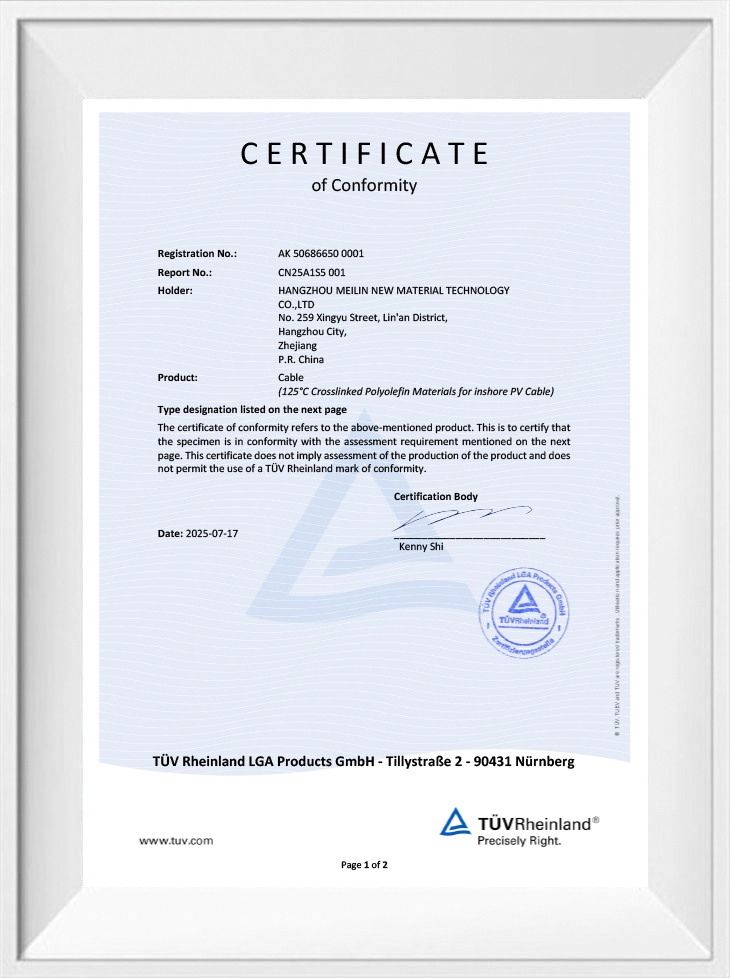
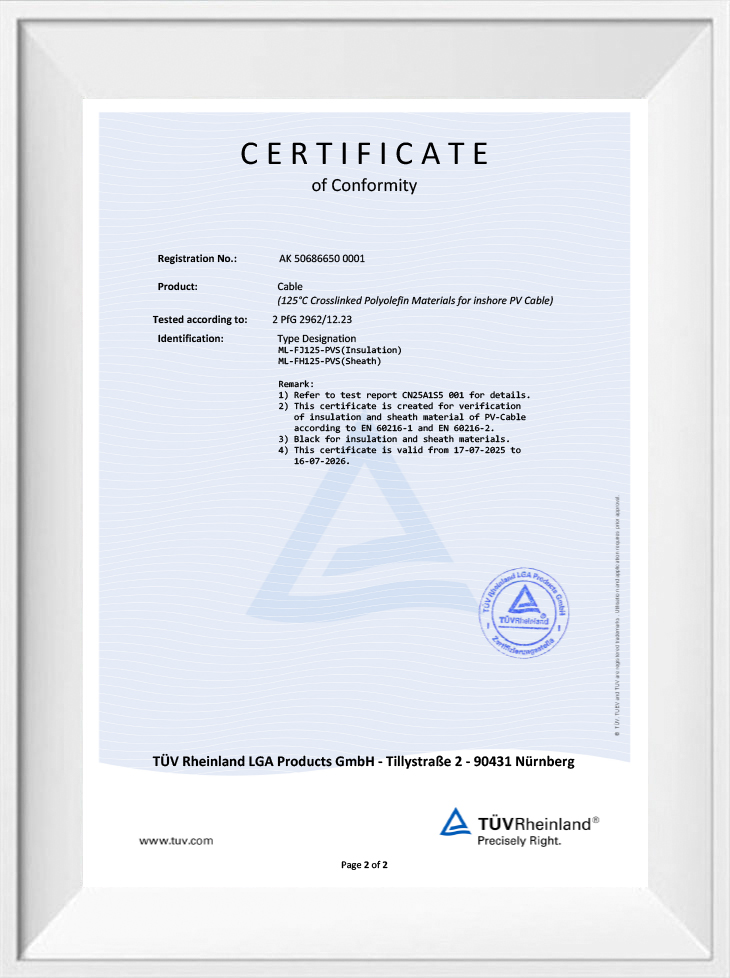
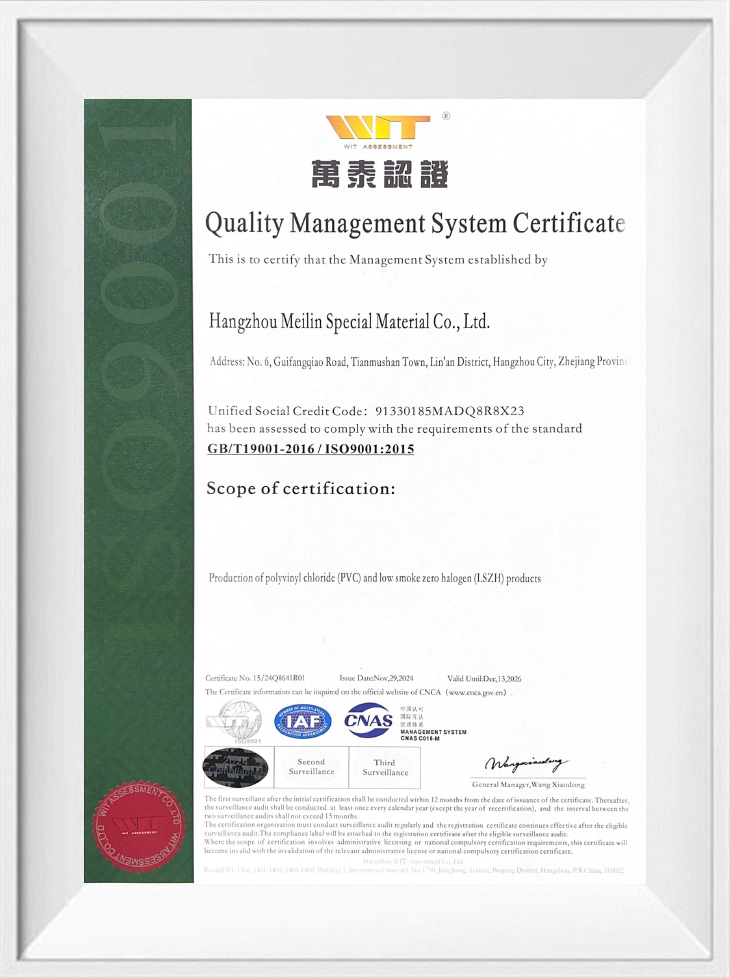
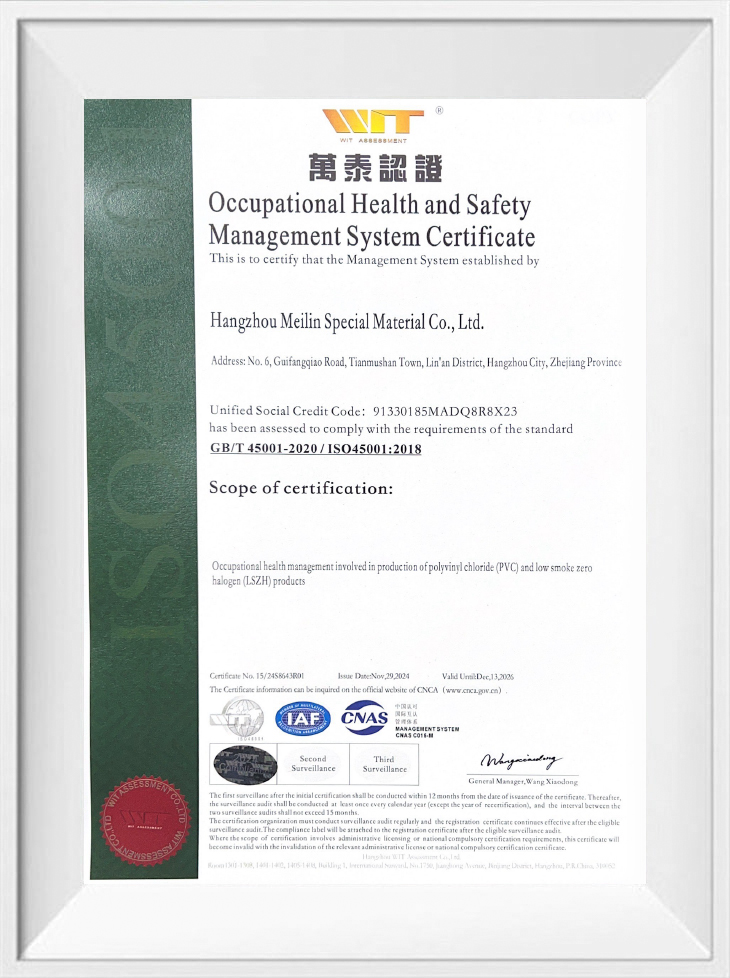
News
-
admin 23 Sep 2026
LSZH Compound Testing and Certification: A Complete Guid...
Read MoreCable Material Qualification Guide Qualifying a low-smoke zero-halogen (LSZH) compound for a new cable project usually starts with a stack of test reports that do not align: one shows IEC 60754-1 hal...
-
admin 21 Sep 2026
How to Choose the Right Polyvinyl Injection Compound
Read MoreA Polyvinyl Injection Compound earns its place in a toy production line through a narrow set of technical properties: melt flow behavior, impact resistance, color stability, and safety compliance. Ge...
-
admin 16 Sep 2026
LSZH Compound Formulation and Production Process: A Prac...
Read MoreAn LSZH jacket that looks flawless on the spool can still fail a tensile test at the cable maker's line, or develop surface bubbles that no die adjustment seems to fix. The cause is rarely the extru...
-
admin 09 Sep 2026
How Smoke Density Affects Cable Material Choice: PVC vs ...
Read MoreSmoke is the first lethal hazard in a cable fire. Inside a corridor, tunnel, or riser shaft, dense smoke can cut visibility to under one meter within minutes, and most fire fatalities are caused by s...
Cable Compound For Medical Industry Knowledge
What are the main application areas of medical PVC composites?
Medical PVC composites are widely used in many fields due to their excellent performance and versatility. Here are some of the main application areas:
Infusion and transfusion systems: Medical PVC composites are often used to produce infusion tubes, blood tubes and other liquid transmission systems because they have excellent transparency and chemical resistance, which can clearly observe the flow of liquids and prevent the reaction of liquids with pipe materials.
Disposable medical devices: including syringes, needles, catheters, breathing tubes, etc. These devices require materials with high biocompatibility and stability, as well as good physical properties.
Medical packaging materials: Medical PVC composites are used to manufacture packaging materials for drugs and medical devices to protect products from contamination and damage while maintaining the effectiveness of drugs.
Hemodialysis machines and other extracorporeal circulation devices: These devices need to withstand high pressure and chemical reactions, and PVC composites provide good durability and reliability.
Surgical instruments: such as surgical knife handles, aspirators, etc., these instruments need to have excellent strength and durability, and PVC composites can meet these requirements.
Ventilator and anesthesia machine components: The pipes and components in these devices require materials with good airtightness and durability.
Emergency and monitoring equipment: For example, electrocardiogram (ECG) electrodes, blood pressure monitoring tubes, etc., these devices require precise performance and stable material properties.
Upholstery materials for medical beds and chairs: PVC composites can provide comfort and easy-to-clean surfaces.
What are the main performance indicators to consider when selecting medical PVC composites?
When selecting medical PVC composites, the following main performance indicators need to be considered to ensure that the materials meet the requirements of medical applications:
Biocompatibility: The material must be compatible with human tissues and body fluids to avoid causing allergies, inflammation or other adverse reactions. Biocompatibility testing is usually required to ensure that the material meets relevant standards (such as ISO 10993).
Mechanical properties: Includes the strength, toughness and wear resistance of the material. For example, infusion tubes need to have sufficient tensile strength and tear resistance to ensure safety and reliability during use.
Transparency: For applications where the flow of internal fluids needs to be observed, such as infusion tubing or dialyzers, the transparency of the material is very important in order to monitor and ensure the accuracy of the operation process.
Chemical stability: The material should be able to withstand the effects of chemicals (such as drugs, disinfectants, etc.) that come into contact with it, without chemical reactions or degradation, to ensure stability during long-term use.
Biodegradability and recyclability: Although not always necessary, some applications may require materials to be biodegradable or easily recyclable to reduce environmental impact.
Thermal stability: The stability of the material under high or low temperature conditions, especially during the sterilization process, the material needs to withstand high temperatures without deformation or performance degradation.
Air-tightness and liquid-tightness: In some applications, such as medical infusion systems, the material must have good air-tightness and liquid-tightness to prevent leakage.
Flexibility and processability: The flexibility of the material determines its adaptability in molding and use, especially for parts that need to be bent or folded.
UV resistance: If the material will be exposed to ultraviolet light (such as some medical devices), it needs to have UV resistance to prevent material aging and performance degradation.
Non-toxicity: The material must be non-toxic, ensuring that no harmful substances are released when in contact with body fluids, and that it is safe and harmless to patients.
Consulting Information
CONTACT US
05
-
 ADD:
ADD:No. 259 Xingyu Street, Lin'an District, Hangzhou City, Zhejiang Province
-
 TEL/FAX:
+86 571 63761139
-

-

-
CONTACT US
CONTACT US Creative project? Let's have a productive talk.
Copyright © Hangzhou Meilin New Material Technology Co., Ltd. All Rights Reserved. Privacy Policy Custom Medical Polyvinyl Chloride Compound
