

 English
 中文简体
中文简体 русский
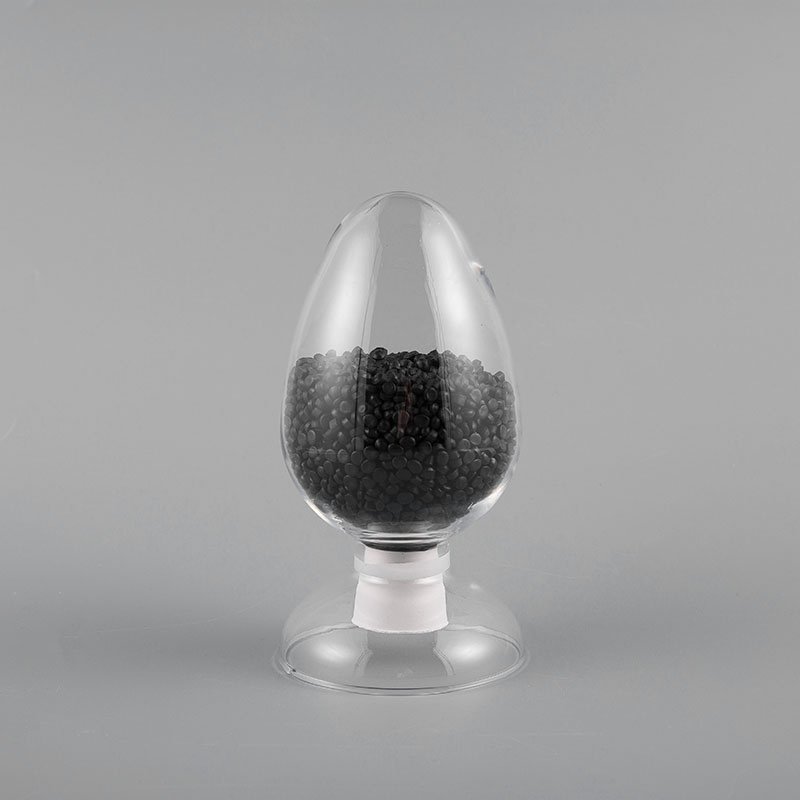
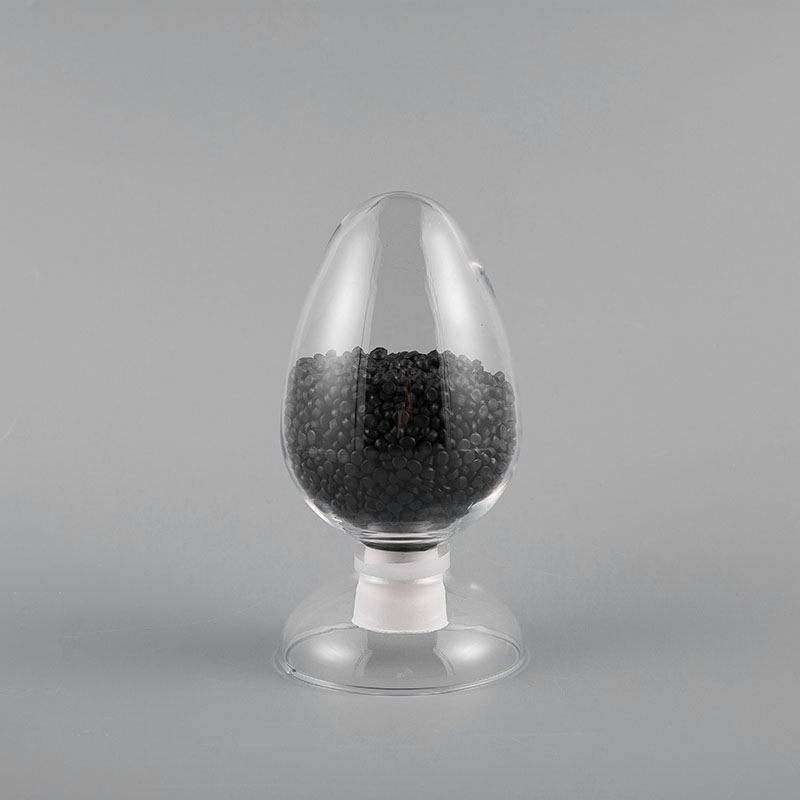
ML-TH9001B 90℃ Halogen-Free Low Smoke Flame Retardant Sheath Compound for Communication Cables has l...

Product Category
Related Products
Optical Fiber Cable Compound Suppliers
-
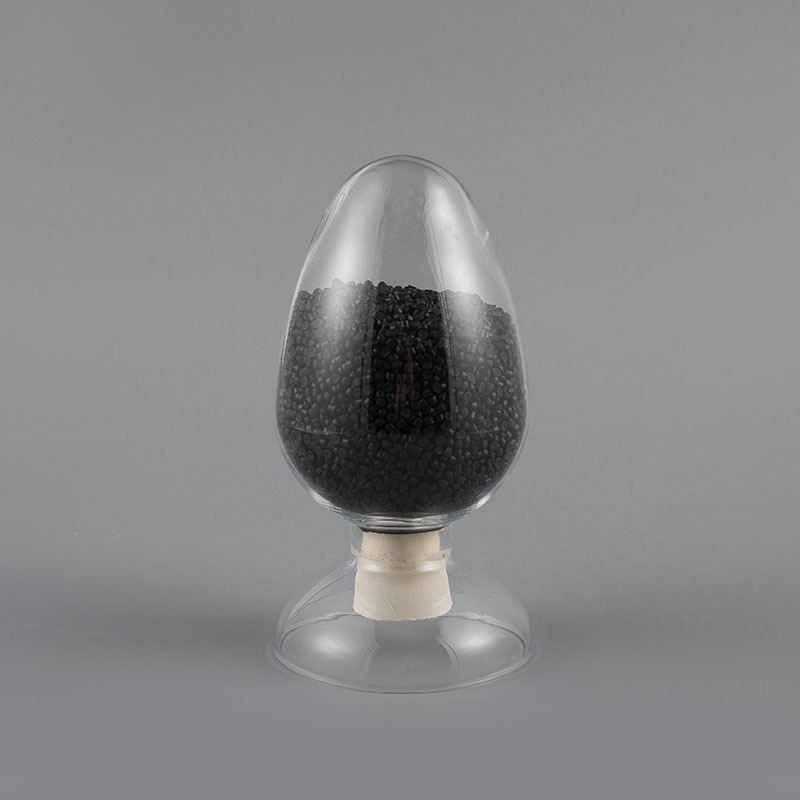
ML-TH9001C 90℃ Halogen-Free Low Smoke Flame Retardant Sheath Compound for Communication Cables
More DetailsML-TH9001C 90℃ Halogen-Free Low Smoke Flame Retardant Sheath Compound for Communication Cables is sp...

ABOUT US
30YEARS OF
EXPERIENCE
About Us
Coming From China, Marketing To The World.
Hangzhou Meilin New Material Technology Co., Ltd. is China ODM/OEM Optical Fiber Cable Compound Suppliers and Wholesale Optical Fiber Cable Compound, we were established in July 1994 (formerly known as Zhejiang Lin'an Hongyan Plastic Factory). The company has two factories located at 619 Linglongshan Road and 259 Xingyu Street, Lingqiu Street, Linglong Industrial Park, Lin'an District, Hangzhou City. The registered capital of the company is 75 million yuan, covering an area of over 18000 square meters and a building area of over 30000 square meters. Currently, modern industrial factories and 18 advanced automated production lines have been built. The new factory area will be produced in 2021, making it the cleanest and most beautiful professional cable material manufacturer in the entire region—agreement conditions.
Honor
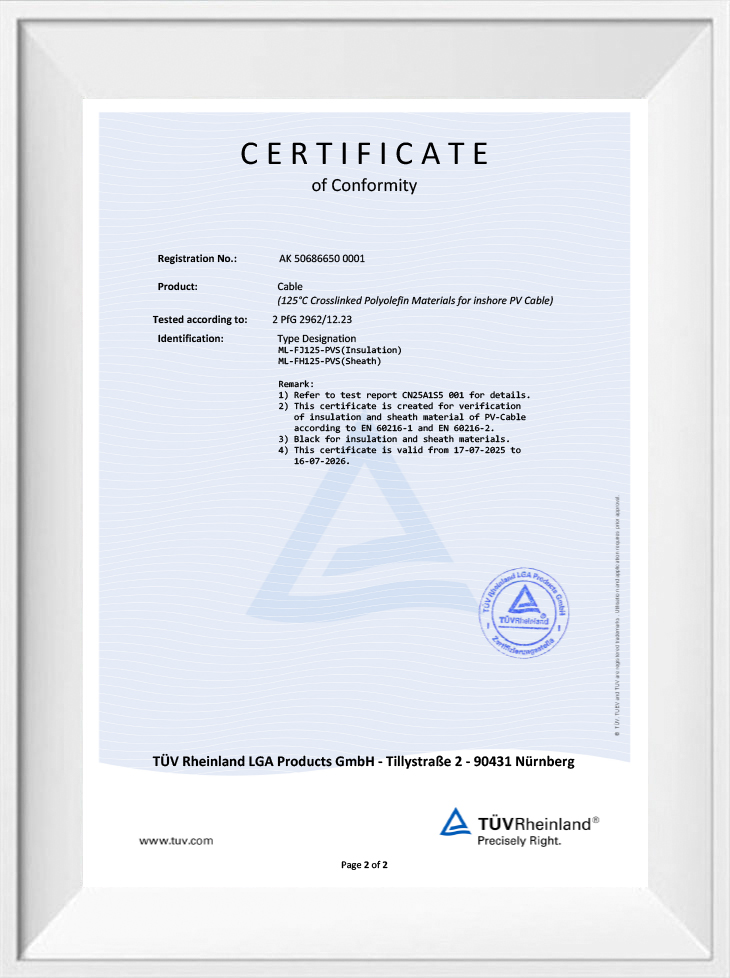
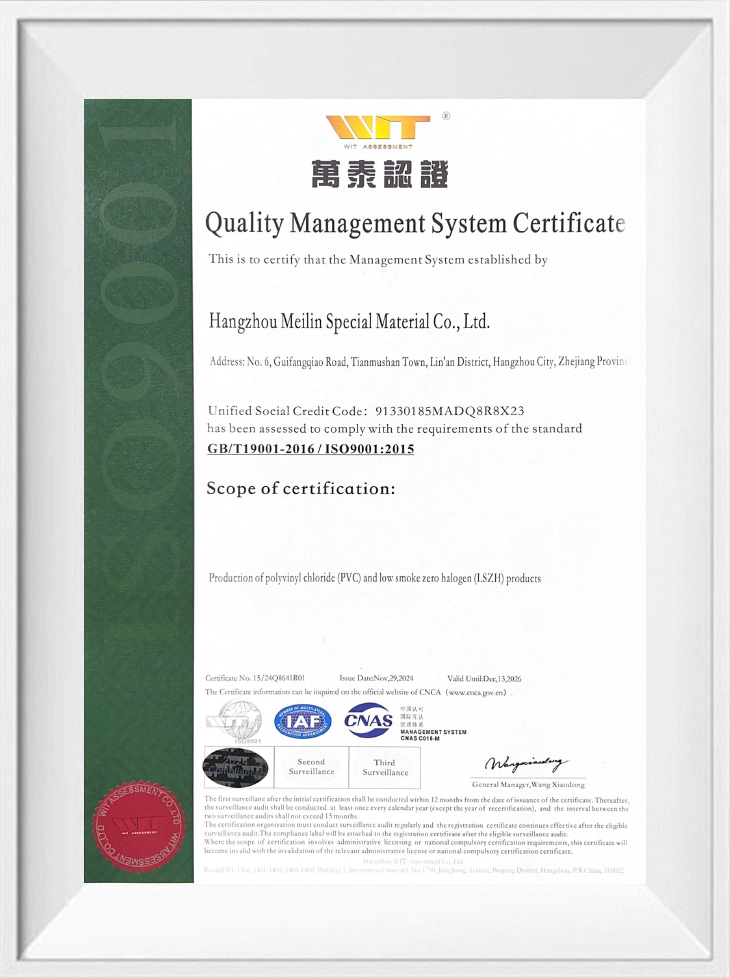
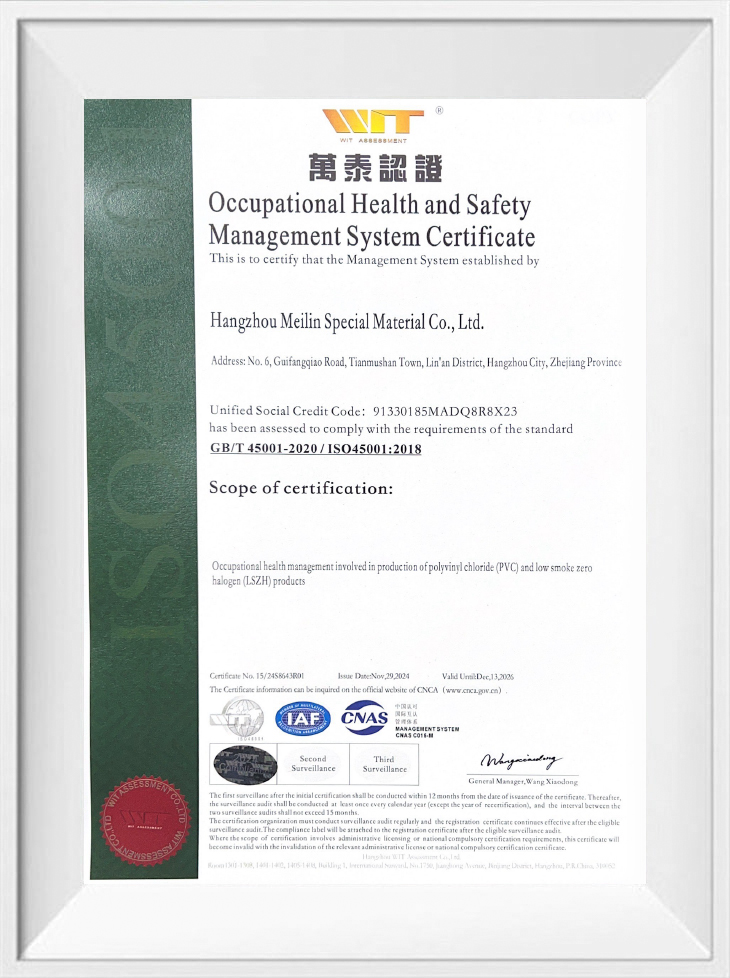
Certifications
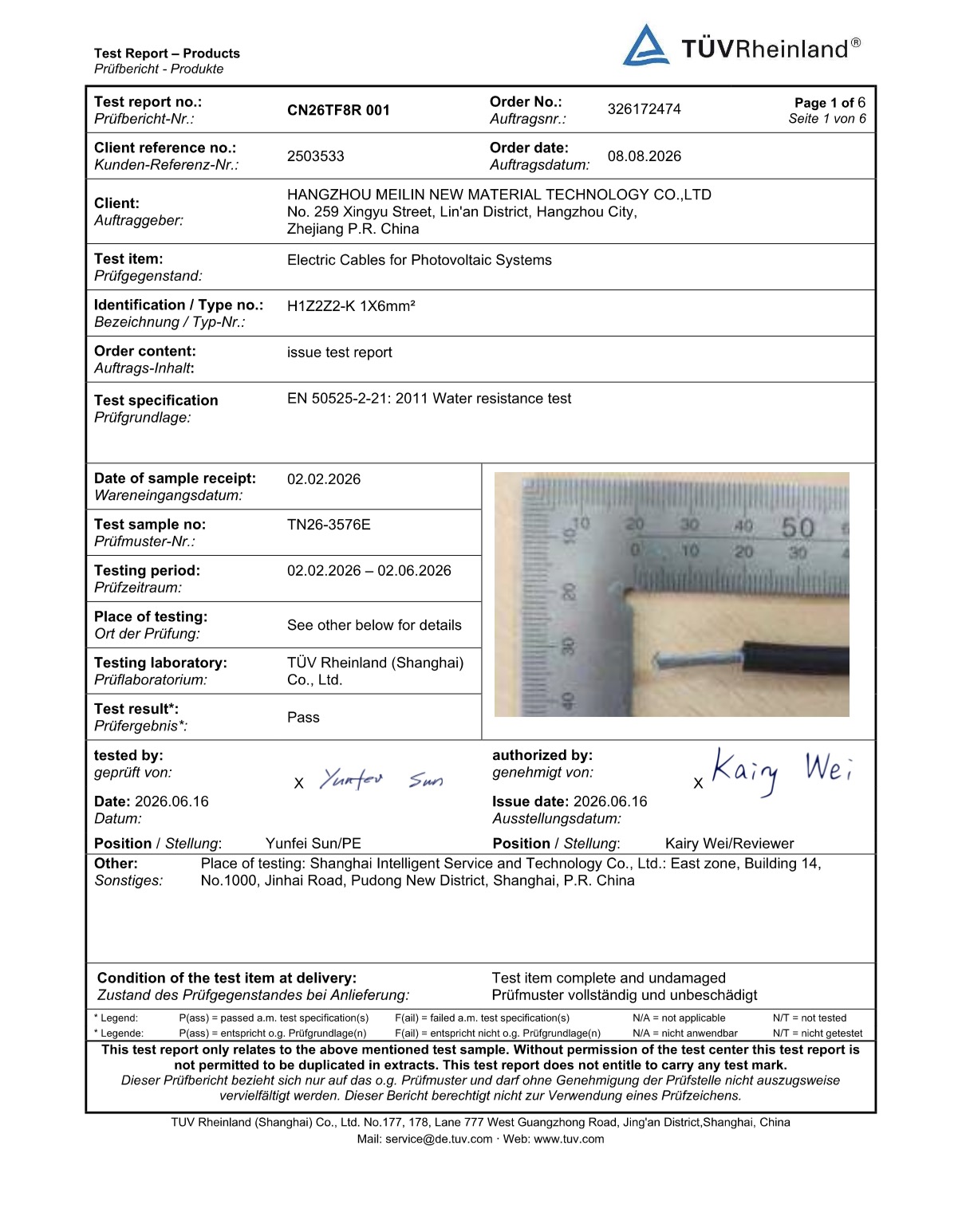
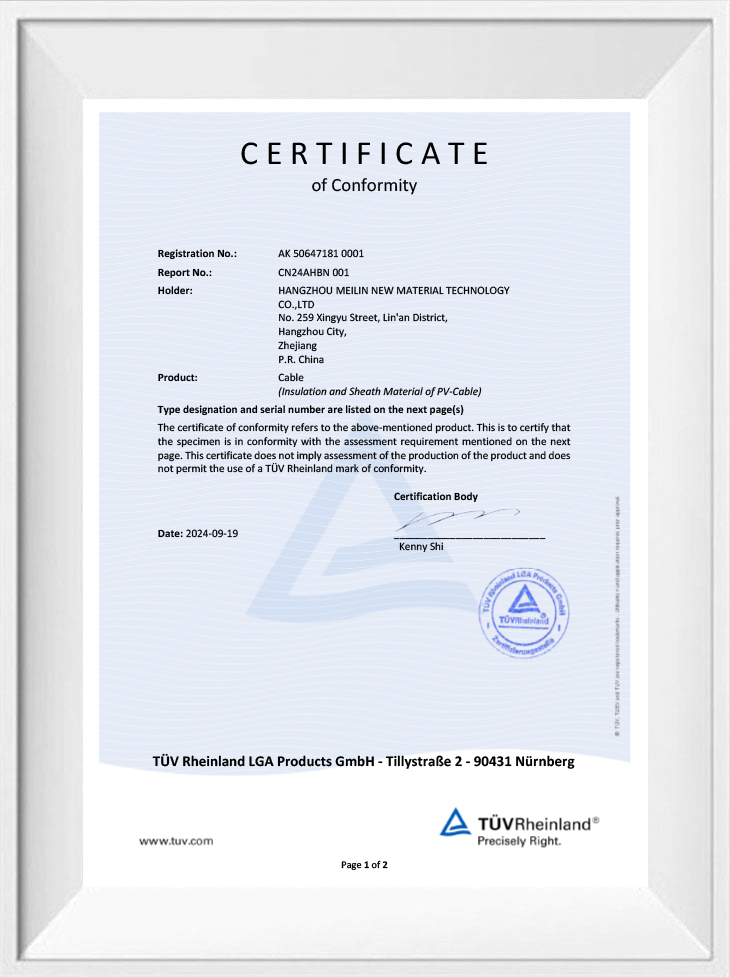
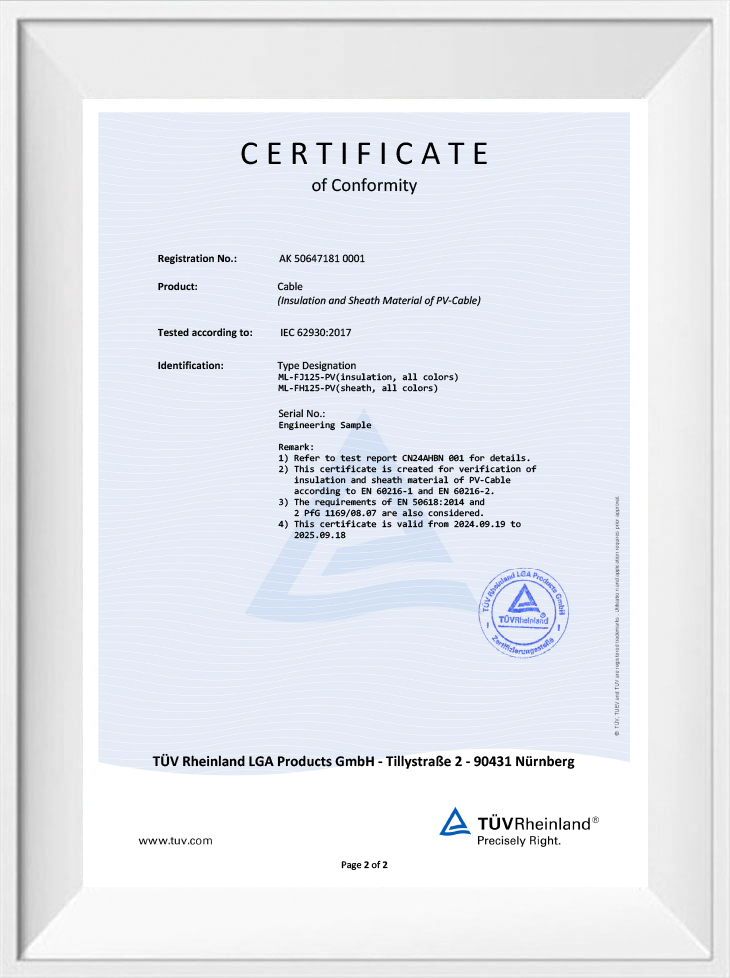
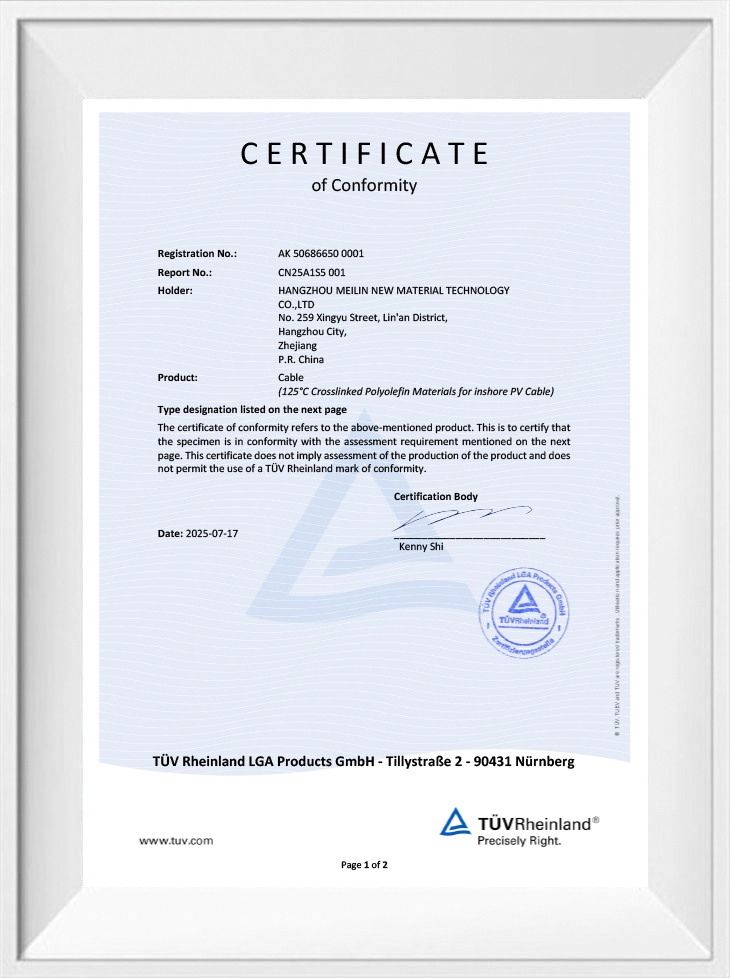
News
-
admin 30 Sep 2026
LSZH Compounds for Metro & Subway Cables: Fire Safety, S...
Read MoreSmoke, Not Fire, Decides How a Tunnel Incident Ends A metro tunnel does not behave like an open building. Smoke has nowhere to escape, combustion gases travel along ventilation flows, and the time pa...
-
admin 23 Sep 2026
LSZH Compound Testing and Certification: A Complete Guid...
Read MoreCable Material Qualification Guide Qualifying a low-smoke zero-halogen (LSZH) compound for a new cable project usually starts with a stack of test reports that do not align: one shows IEC 60754-1 hal...
-
admin 21 Sep 2026
How to Choose the Right Polyvinyl Injection Compound
Read MoreA Polyvinyl Injection Compound earns its place in a toy production line through a narrow set of technical properties: melt flow behavior, impact resistance, color stability, and safety compliance. Ge...
-
admin 16 Sep 2026
LSZH Compound Formulation and Production Process: A Prac...
Read MoreAn LSZH jacket that looks flawless on the spool can still fail a tensile test at the cable maker's line, or develop surface bubbles that no die adjustment seems to fix. The cause is rarely the extru...
Optical Fiber Cable Compound Industry Knowledge
Key materials and technologies of optical fiber cable composites: analysis of sheath and buffer layer
Functions of sheath and buffer layer:
Sheath: mechanical protection (pressure resistance, wear resistance), environmental isolation (moisture resistance, UV resistance).
Buffer layer: stress buffering, microbending loss control, bonding medium between optical fiber and sheath.
Core indicators of composite performance: tensile strength, flexibility, thermal stability, dielectric properties.
Sheath materials and technologies
Mainstream material classification
Polyvinyl chloride (PVC):
Advantages: low cost, easy processing, flame retardant (flame retardant added).
Disadvantages: halogen (toxic when burned), poor temperature resistance (-20℃~+70℃).
Low smoke zero halogen material (LSZH):
Advantages: low smoke and non-toxic in case of fire (in compliance with IEC 60754/61034).
Formula: aluminum hydroxide (ATH) flame retardant + polyolefin matrix (such as PE/EVA).
Polyurethane (TPU):
Advantages: high elasticity, oil/cold resistance (-50℃~+90℃), suitable for military/submarine cables.
Others: cross-linked polyethylene (XLPE, high temperature resistance), nylon (wear resistance).
Key to sheathing process
Extrusion technology:
Thickness uniformity control in high temperature melt extrusion (eccentricity ≤5%).
The effect of cooling method (water cooling/air cooling) on crystallinity.
Adhesion optimization:
Adhesive between sheath and optical fiber/strength member (such as maleic anhydride grafted polymer).
Buffer layer materials and technology
Buffer layer functions and types
Tight buffer:
Material: modified PBT (polybutylene terephthalate), PVC.
Features: Directly coat optical fiber, strong mechanical protection, but low flexibility.
Loose tube buffer:
Material: water-blocking gel + polyester tape (PET).
Features: The optical fiber "floats" in the tube to reduce stress/microbend loss.
Technical Challenges and Innovations
Stress Matching: The modulus of the buffer layer needs to be between the optical fiber and the sheath (such as PBT modulus ~2-3GPa).
Water-blocking design:
Dry water-blocking: Super absorbent powder (SAP) coating.
Wet water-blocking: Petroleum jelly filling (needs to be compatible with the buffer layer material).
Industry Application Cases
Data Center: LSZH sheath + tight-fitting PBT buffer (high-density wiring, fire protection requirements).
Submarine cable: TPU sheath + loose-fitting water-blocking design (pressure resistance, salt corrosion resistance).
5G base station: ultra-flexible sheath (TPE) + micro-tube buffer (resistant to repeated bending).
Consulting Information
CONTACT US
05
-
 ADD:
ADD:No. 259 Xingyu Street, Lin'an District, Hangzhou City, Zhejiang Province
-
 TEL/FAX:
+86 571 63761139
-

-

-
CONTACT US
CONTACT US Creative project? Let's have a productive talk.
Copyright © Hangzhou Meilin New Material Technology Co., Ltd. All Rights Reserved. Privacy Policy Wholesale Optical Fiber Cable Compound
