
 English
 中文简体
中文简体 русский


Article Directory
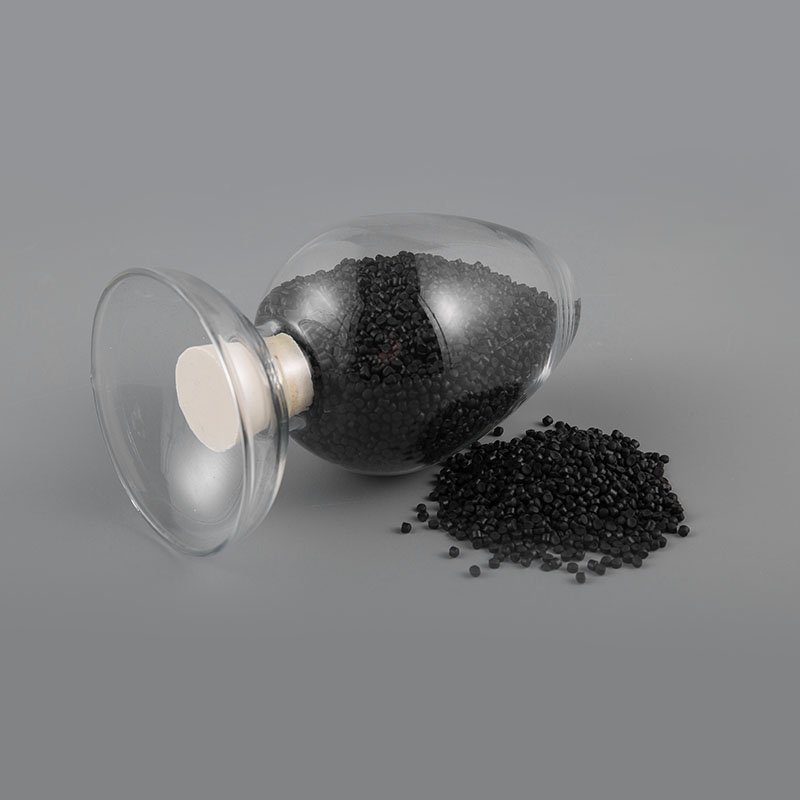
As global telecommunications infrastructure shifts toward 5G and high-density data centers, the demand for LSZH Compounds For Communication Cables has reached unprecedented levels. Unlike traditional PVC, Low Smoke Zero Halogen (LSZH) materials offer superior safety by eliminating toxic halogen gas emissions during combustion. However, for cable manufacturers, transitioning to high-speed extrusion lines introduces significant engineering hurdles. Hangzhou Meilin New Material Technology Co., Ltd., with over 30 years of expertise and 31 advanced automated production lines, specializes in overcoming these complexities to deliver high-performance cable materials globally.
The Rheological Complexity of LSZH Compounds
The primary challenge in processing LSZH Compounds For Communication Cables lies in their high filler content. To achieve flame retardancy without halogens, these compounds are heavily loaded with inorganic minerals like Aluminum Trihydroxide (ATH) or Magnesium Hydroxide (MDH). This loading significantly increases the melt viscosity compared to standard PE or PVC, making flow behavior non-Newtonian and highly sensitive to shear. Precise management of the low smoke zero halogen compound processing temperature is vital to prevent premature decomposition of the flame retardant fillers.
In contrast to PVC, which relies on plasticizers for flow, LSZH requires specialized lubricants and coupling agents to manage the interface between the polymer matrix and mineral fillers. Improper temperature windows can lead to "drool" at the die or inconsistent cable diameters.
| Processing Parameter | Standard PVC Compounds | LSZH Compounds |
| Filler Loading | Low to Moderate (10% - 30%) | High (50% - 65% for flame retardancy) |
| Shear Sensitivity | Moderate | Very High; risks local overheating |
| Processing Window | Broad (140°C - 190°C) | Narrow (130°C - 160°C to avoid filler activation) |
Source: IEC 60332-1-2:2024 Tests on electric and optical fibre cables under fire conditions
Mechanical and Surface Integrity During High-Speed Lines
When running high-speed extrusion lines for LSZH sheath material for fiber optic cables, "sharkskin" or melt fracture is a common defect. This occurs when the shear stress at the die wall exceeds the critical limit of the compound. Achieving a smooth, high-gloss finish at line speeds exceeding 500m/min requires a perfectly balanced formulation and specific die geometries. At Hangzhou Meilin, our senior engineers optimize the molecular weight distribution to ensure stable extrusion even under extreme shear.
Thermal Stability and Shear Heat Management
High-speed extrusion naturally generates significant internal friction (shear heat). Because LSZH fillers like ATH begin to release water vapor at temperatures above 180°C to 200°C, any localized "hot spot" in the barrel will cause foaming and porosity in the insulation. Selecting a high flame retardant LSZH compounds supplier who understands the synergy between screw design and thermal stabilizers is critical for B2B procurement. In 2024, the industry saw a push toward "low-shear" screw designs specifically for halogen-free materials to maintain the output value without compromising physical properties.
Material Durability and Environmental Resistance
Communication cables are often installed in environments where moisture ingress can degrade electrical performance. Traditional LSZH materials were criticized for poor water resistance; however, modern moisture resistant LSZH insulation for data cables utilizes silane-coupling technology to create a hydrophobic barrier. This ensures that the LSZH Compounds For Communication Cables retain their insulation resistance (IR) even in damp conduits.
| Performance Metric | Standard Halogen-Free Materials | High-Performance Moisture Resistant LSZH |
| Water Absorption (24h) | > 1.5% | < 0.5% |
| Tensile Strength Retention | Significant drop after aging | > 85% retention after 7 days in 70°C water |
Conclusion: Engineering Excellence at Hangzhou Meilin
With an output value exceeding RMB 700 million in 2024, Hangzhou Meilin New Material Technology Co., Ltd. has established itself as the neatest and most professional manufacturer in the region. Our 45,000 square meter facility is dedicated to solving the high-speed processing issues of wholesale halogen free flame retardant cable materials. Whether for solar cables, fiber optics, or data transmission, our products are engineered to provide safety without sacrificing manufacturing efficiency.
Frequently Asked Questions (FAQ)
- What is the ideal low smoke zero halogen compound processing temperature?
Typically, the melt temperature should be maintained between 145°C and 165°C. Exceeding 180°C risks activating the flame retardant fillers, causing cable porosity. - Why is LSZH sheath material for fiber optic cables prone to sharkskin?
This is due to high viscosity and shear stress. Using the correct die-land length and internal lubricants in the compound formulation helps eliminate surface roughness. - How does Hangzhou Meilin ensure the quality of wholesale halogen free flame retardant cable materials?
We operate 31 advanced automated production lines and employ a team where 30% of staff are management or senior science personnel, ensuring strict quality control from raw material to finished pellet. - Can LSZH cables be used in outdoor or damp environments?
Yes, provided you utilize moisture resistant LSZH insulation for data cables. These specific grades are formulated to prevent the "whitening" effect and loss of mechanical properties in humid conditions. - What types of cables do your LSZH compounds support?
Our LSZH Compounds For Communication Cables are suitable for CAT6/7 data cables, fiber optic sheathing, solar cables, and high-voltage XLPE power applications.