
 English
 中文简体
中文简体 русский



Article Directory
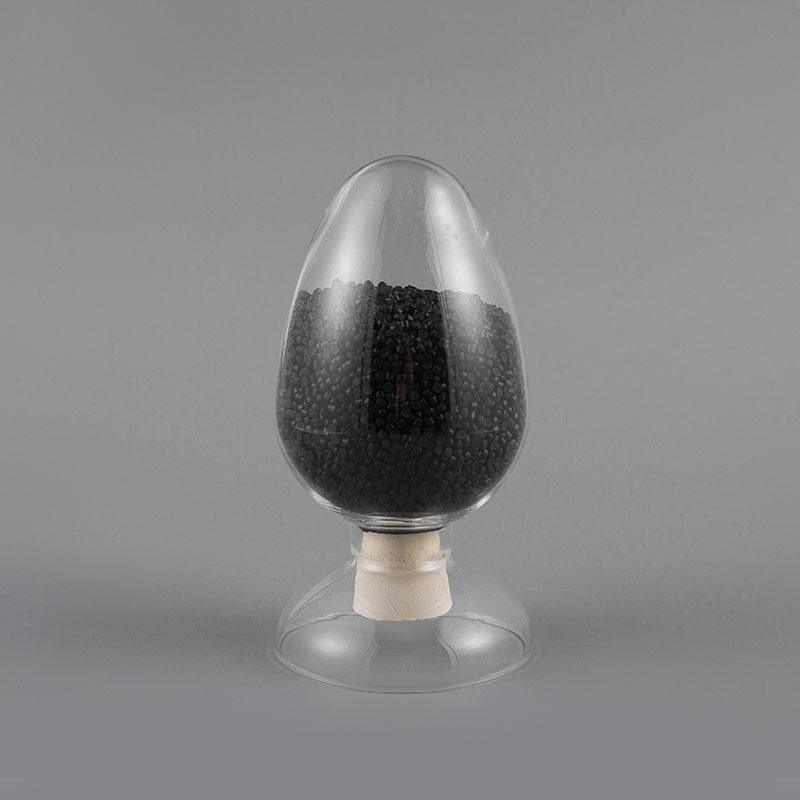
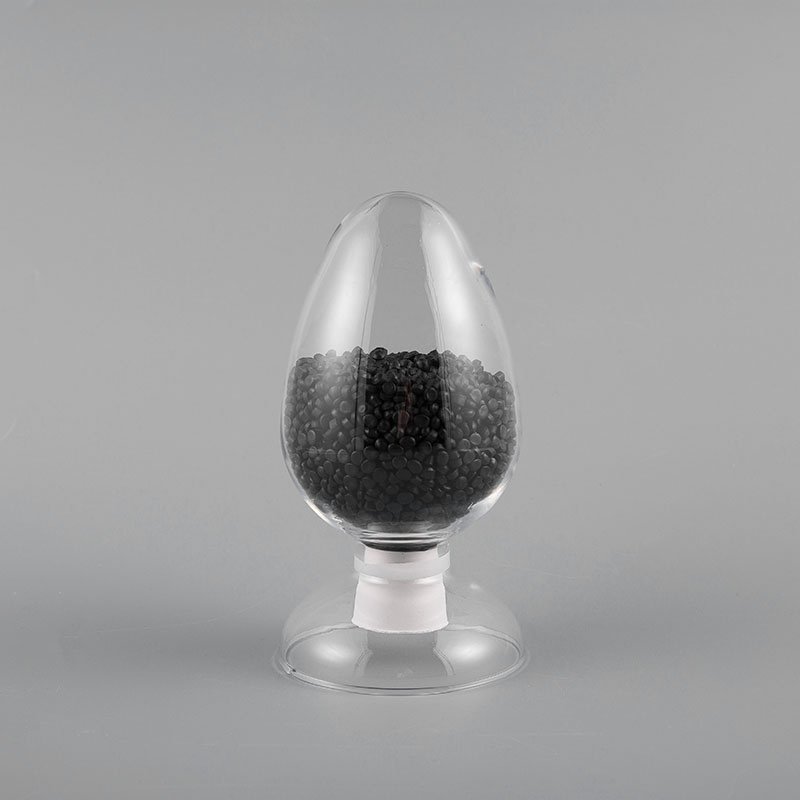
Low Smoke Zero Halogen (LSZH) materials have become the industry standard for high-density cabling environments because they provide a critical balance of fire safety and high-performance signal integrity. Using LSZH Compounds For Communication Cables ensures that in the event of a fire, the cable sheath will emit limited smoke and no toxic halogen gases, protecting both sensitive electronic equipment and human life.
The Critical Role of LSZH in Modern Infrastructure
In enclosed spaces such as data centers, underground subways, and high-rise office buildings, the primary danger during a fire is not the heat itself, but the inhalation of toxic fumes and the loss of visibility due to thick smoke. Traditional PVC-based cables contain halogens like fluorine, chlorine, and bromine. When burned, these release hydrogen chloride gas, which turns into corrosive hydrochloric acid upon contact with moisture.
LSZH compounds replace these hazardous materials with aluminum trihydrate (ATH) or magnesium hydroxide (MDH) fillers. These minerals undergo an endothermic decomposition when heated, releasing water vapor that helps extinguish flames and reduces the overall smoke density.
Performance Specifications and Technical Data
Selecting the right compound requires an understanding of its physical and thermal properties. High-quality LSZH formulations must maintain flexibility while meeting stringent international fire safety standards like IEC 60332 and IEC 60754.
| Property | Typical Value / Standard | Significance |
| Tensile Strength | ≥ 10.0 MPa | Ensures the cable can withstand mechanical stress during installation. |
| Elongation at Break | ≥ 150% | Indicates the flexibility of the cable jacket. |
| Limited Oxygen Index (LOI) | 32% - 40% | The minimum oxygen concentration required to support combustion; higher is safer. |
| Smoke Density (Ds max) | < 150 | Ensures visibility is maintained for evacuation during a fire. |
Key Advantages for Communication Networks
Beyond the obvious safety benefits, LSZH compounds offer specific technical advantages for the telecommunications sector:
- Non-Corrosive Emissions: Unlike PVC, LSZH materials do not produce acidic gases that corrode copper connectors and gold-plated contacts in servers and switches.
- Environmental Compliance: These compounds are inherently RoHS and REACH compliant, meeting global environmental regulations for hazardous substances.
- Thermal Stability: Modern LSZH formulations are designed to handle the heat generated by Power over Ethernet (PoE++) applications without premature degradation.
- Improved Processing: Advanced cross-linking technologies allow for faster extrusion speeds, reducing manufacturing costs for high-volume cable production.
Selection Criteria for Communication Cable Jackets
When engineering communication cables, the choice of LSZH compound must align with the specific installation environment. For example, indoor-outdoor cables require the addition of UV stabilizers and anti-fungal agents to the LSZH matrix to prevent cracking and biological growth. In contrast, patch cords used inside racks prioritize a high degree of flexibility and a low coefficient of friction to allow for easy routing in tight spaces.
The synergy between the base polymer (usually EVA or PE) and the flame-retardant fillers determines the final durability of the cable. Manufacturers must balance the filler loading to achieve the desired flame retardancy without making the material too brittle for practical use.