
 English
 中文简体
中文简体 русский



Article Directory
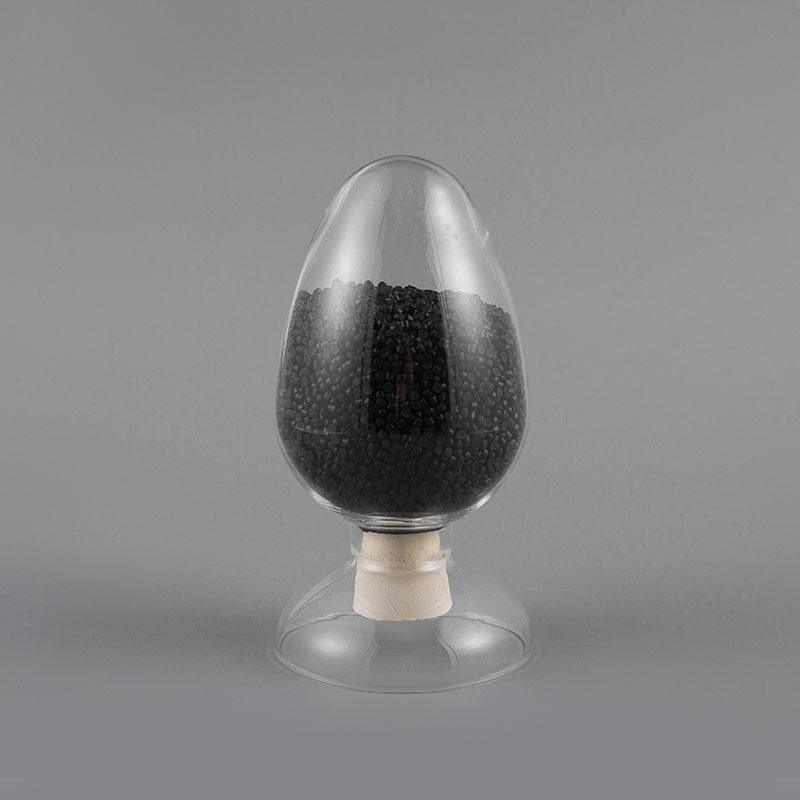
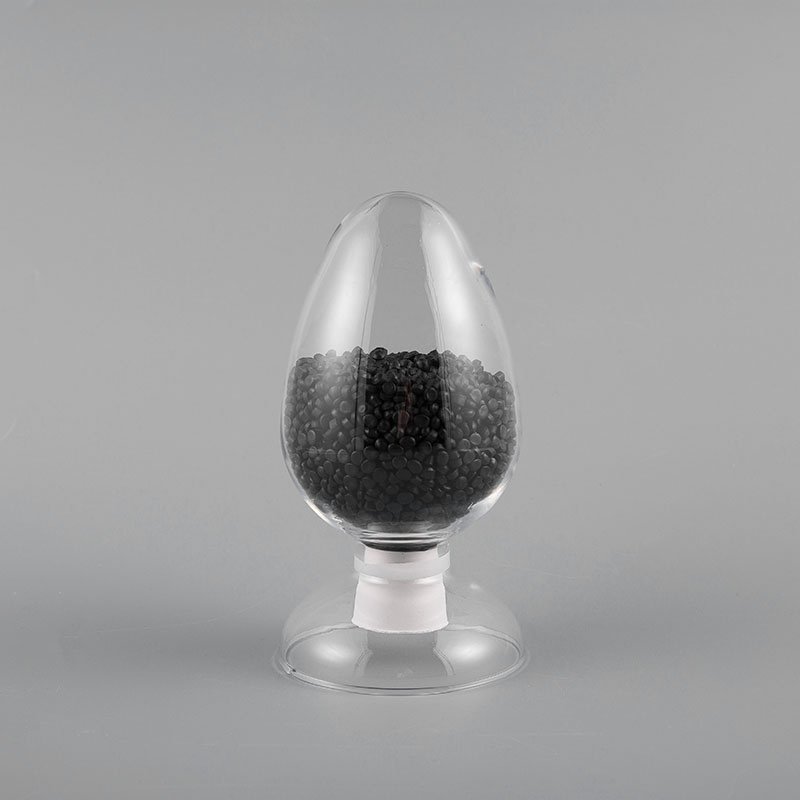
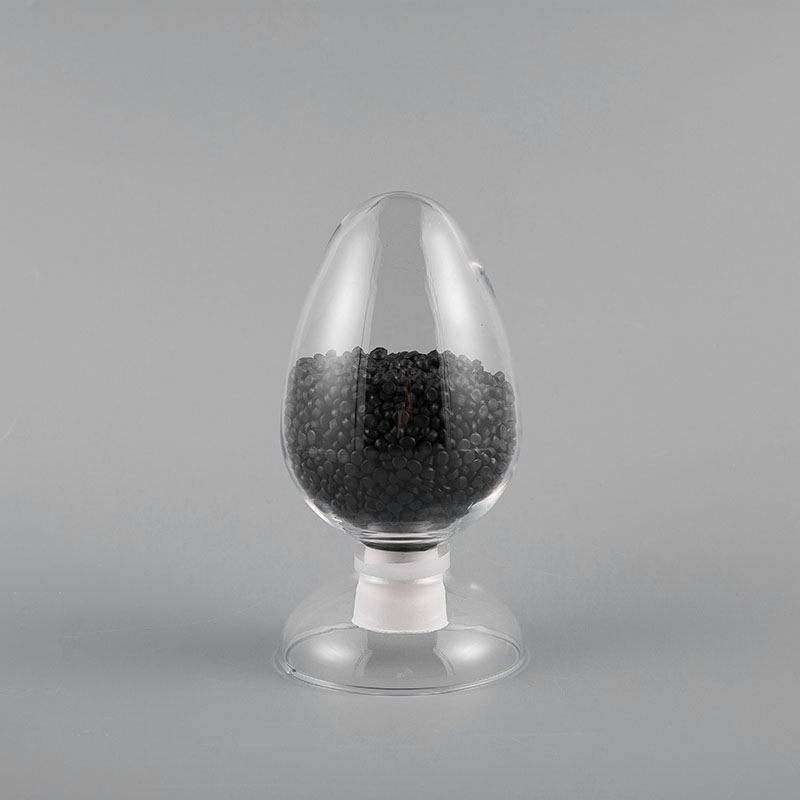
In modern telecommunications, infrastructure safety and signal integrity depend heavily on material science. LSZH Compounds For Communication Cables have become the industry standard for high-performance data transmission environments. These materials directly address the critical need for flame retardancy, low smoke emission, and zero halogen toxicity during fire emergencies, protecting both sensitive network hardware and human life.
The Critical Role of LSZH in Communication Networks
Traditional cable jacketing materials, such as Polyvinyl Chloride (PVC), release dense black smoke and highly toxic, corrosive hydrogen chloride (HCl) gas when burned. In data centers, central offices, and confined public spaces, this acidity destroys expensive switching equipment and poses an immediate threat to personnel.
LSZH (Low Smoke Zero Halogen) thermoplastic compounds eliminate this risk. They utilize high loadings of inorganic flame retardants, typically Aluminum Trihydroxide (ATH) or Magnesium Dihydroxide (MDH). When exposed to fire, these additives undergo an endothermic decomposition, releasing water vapor that cools the cable and forms a protective char layer to stifle further combustion.
Technical Specifications and Material Properties
Communication cables require a delicate balance between mechanical flexibility for tight routing bends and strict electrical insulation performance. Below is a detailed profile of typical high-grade LSZH compounding metrics engineered for data and fiber optic cabling:
| Property Profile | Typical Value Range | Testing Standard |
| Limiting Oxygen Index (LOI) | 34% - 42% | ASTM D2863 |
| Tensile Strength | 12.5 MPa - 15.5 MPa | IEC 60811-501 |
| Elongation at Break | 160% - 220% | IEC 60811-501 |
| Halogen Acid Gas Evolution | 0.0% (Zero) | IEC 60754-1 |
| Smoke Density (Transmittance) | Over 80% | IEC 61034-2 |
| Tox Index | Less than 0.5 | NES 713 |
Global Compliance and Fire Safety Standards
Deploying communication lines across international jurisdictions requires strict compliance with evolving fire safety frameworks. LSZH compounds are formulated to meet rigorous global standards, ensuring that data networks maintain infrastructure integrity under extreme thermal duress.
Key International Benchmarks
- EN 50399: Evaluates heat release and smoke production of cables under bundled flame conditions, crucial for European CPR (Construction Products Regulation) classifications.
- IEC 60332-1-2 / IEC 60332-3-24: Assesses vertical flame propagation for single insulated wires and bunched cable arrangements.
- UL 1685: Verifies flame-travel distance and optical density of smoke generated by electrical and optical-fiber cables.
Processing Insights for Cable Manufacturers
Because LSZH formulations carry a high volume of mineral fillers (often exceeding 60% by weight to achieve flame retardancy), extrusion processing requires precise parameter controls. Standard single-screw extruders may suffer from high shear stress, leading to material degradation, micro-fractures on the jacket surface, or variations in cable dimensions.
Optimized processing dictates a low-shear, highly distributive mixing screw configuration. Melt temperatures must be strictly maintained between 140 degrees Celsius and 170 degrees Celsius for ATH-filled matrices to prevent premature moisture release. For higher processing thresholds, MDH-based compounds allow temperatures up to 200 degrees Celsius, facilitating faster extrusion line speeds for thin-walled communication wire profiles.