
 English
 中文简体
中文简体 русский



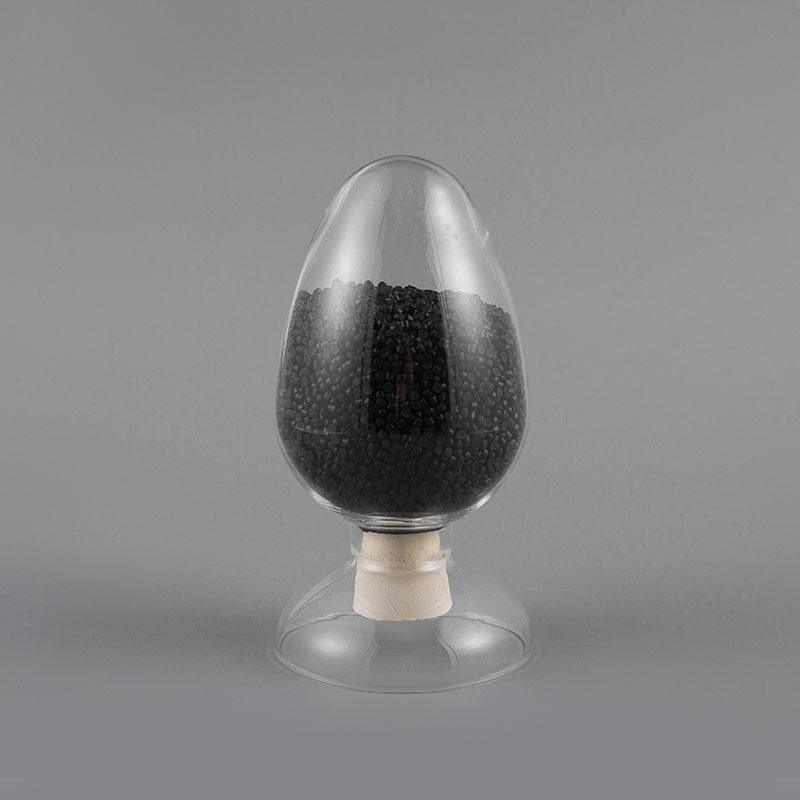
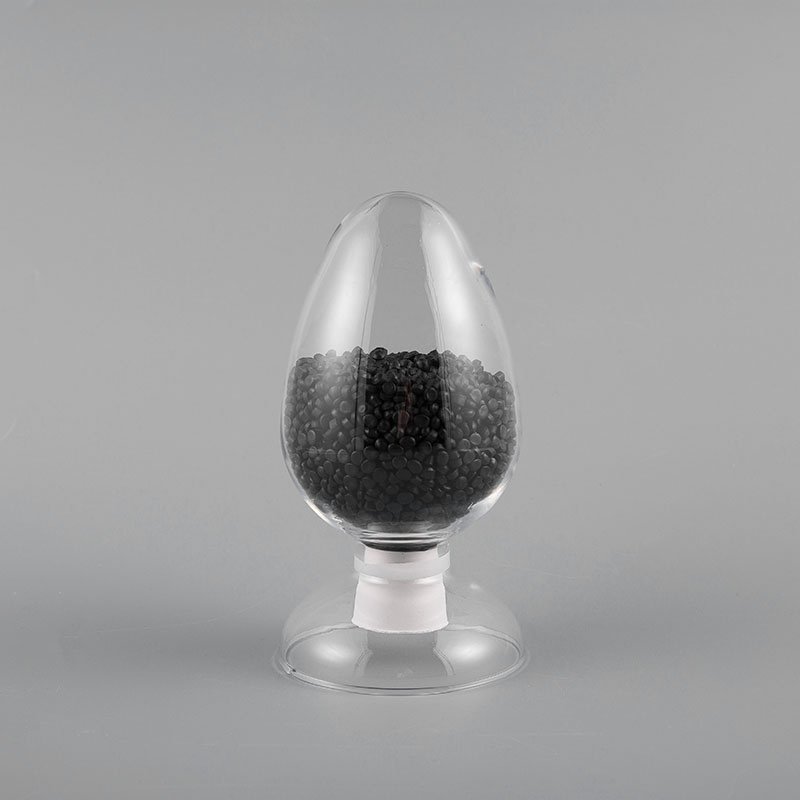
LSZH (Low Smoke Zero Halogen) compounds for transportation cables are specially formulated polymer materials used as cable insulation and sheathing in railways, metro systems, rolling stock, aircraft, and marine vessels — any environment where passengers are confined and fire-generated gases pose a life-safety risk. When conventional PVC cables burn, they release hydrogen chloride gas and dense black smoke; LSZH compounds are engineered to produce neither, suppressing toxic halogen emissions to near zero while limiting smoke opacity to levels that allow evacuation visibility. For transportation applications governed by EN 45545, IEC 60332, or NFF 16-101 standards, LSZH compounds are not optional — they are the mandated baseline.
Why LSZH Compounds Are Mandatory in Transportation
The case for LSZH in transportation environments is built on documented fire incidents rather than theoretical risk. The 1987 King's Cross Underground fire in London, which killed 31 people, and the 2003 Daegu Metro fire in South Korea, which killed 192, both demonstrated how rapidly halogenated cable smoke incapacitates passengers in enclosed rail environments. Toxicological analysis of both incidents identified hydrogen chloride (HCl) and carbon monoxide from burning cable jacketing as primary contributors to fatality counts that exceeded those attributable to direct flame contact.
The physical constraints of transportation environments amplify fire gas hazards in ways that building fires do not:
- Enclosed, pressurised spaces: A metro carriage or aircraft cabin has a fixed air volume with limited ventilation. Smoke and toxic gases accumulate rapidly — HCl concentrations above 1,000 ppm become immediately dangerous to life within seconds in such spaces, compared to minutes in an open building corridor.
- High cable density: Modern rolling stock contains 2–5 km of cabling per vehicle. A single train set may carry 15–25 km of cable across its full consist — a substantial fuel load if conventional halogenated compounds are used throughout.
- Evacuation constraints: Passengers cannot evacuate freely from a tunnel, over water, or at altitude. Evacuation time is measured in minutes at minimum, during which toxic gas concentration from burning cables rises continuously.
- Emergency responder exposure: Firefighters entering a burning rail vehicle or aircraft cargo hold face sustained exposure to combustion gases. LSZH compounds reduce the acute toxic burden on responders, improving intervention effectiveness.
These factors explain why transportation cable standards are considerably more stringent than building cable standards, and why LSZH compounds for transportation cables are formulated to performance levels that exceed general-purpose LSZH cable materials.
What LSZH Compounds Are Made From
An LSZH compound is a multicomponent polymer blend rather than a single material. The formulation must simultaneously deliver mechanical flexibility for cable processing, chemical resistance to fuels and cleaning agents used in transportation maintenance, and fire performance that meets multiple independent test parameters. The main constituent groups are:
Base Polymer Systems
| Base Polymer | Key Properties | Typical Application in Transportation Cable |
|---|---|---|
| EVA (Ethylene Vinyl Acetate) | Flexible, high filler acceptance, cost-effective | Insulation for rolling stock control cables |
| EEA (Ethylene Ethyl Acrylate) | Better low-temperature flexibility than EVA, superior UV resistance | External sheathing on locomotive cables |
| LDPE / LLDPE blends | Good electrical properties, processable at high filler loadings | Signal and data cable insulation |
| TPU (Thermoplastic Polyurethane) | Exceptional abrasion and oil resistance | High-flex drag-chain cables on rolling stock |
| Silicone rubber | Extreme temperature range (-60C to +200C), inherently low smoke | Fire-resistant cables in engine compartments and aircraft |
| XLPE (crosslinked polyethylene) | High thermal rating, excellent electrical insulation | Power cables for traction and auxiliary systems |
Halogen-Free Flame Retardant (HFFR) Fillers
Conventional flame retardants such as antimony trioxide and brominated compounds are excluded from LSZH formulations. Instead, transportation-grade LSZH compounds rely on mineral hydroxide systems that work by endothermic decomposition — absorbing heat from the fire and releasing water vapour that dilutes combustible gases and cools the flame front:
- Aluminium Trihydrate (ATH): Decomposes at 180–200 degrees Celsius, releasing three moles of water per mole of ATH. The most widely used HFFR filler, typically loaded at 50–65% by weight of the compound. At these loading levels, ATH also provides smoke suppression by reducing the organic polymer content available for pyrolysis.
- Magnesium Hydroxide (MDH): Decomposes at 300–320 degrees Celsius — significantly higher than ATH — making it suitable for compounds processed at temperatures above 200 degrees where ATH would begin to dehydrate prematurely during extrusion. Used in high-performance transportation compounds where processing temperature and flame retardancy must both be achieved.
- Huntite and Hydromagnesite blends: Provide a broader decomposition temperature range than either ATH or MDH alone, improving performance in applications where sustained flame exposure produces a range of thermal conditions. Used in specialist railway and aerospace formulations where EN 45545 Hazard Level HL3 certification is required.
- Zinc borate synergists: Added at 2–5% loading to enhance char formation and improve the smoke density reduction provided by the primary hydroxide system. Zinc borate promotes a stable, intumescent char layer on the cable surface that insulates the unburned compound beneath from further heat input.
Processing Additives and Stabilisers
The high mineral filler loadings in LSZH compounds (often 55–70% by weight) create processing challenges — the compound is stiffer, more abrasive to extrusion tooling, and more sensitive to moisture than unfilled thermoplastics. Transportation-grade LSZH compounds include:
- Silane coupling agents: Improve adhesion between the inorganic hydroxide filler particles and the organic polymer matrix. Without coupling agents, the filler-polymer interface becomes the weak point under mechanical stress, and compounds can exhibit premature brittle fracture. Coupling treatment with vinyltrimethoxysilane or methacryloxypropyltrimethoxysilane improves elongation at break by 40–80% compared to untreated equivalents.
- Antioxidants: Hindered phenolic and phosphite antioxidants protect the base polymer from thermal oxidative degradation during extrusion at 160–200 degrees Celsius. Insufficient antioxidant loading causes molecular weight reduction during processing, reducing mechanical performance of the finished insulation.
- Processing aids: Fluoropolymer-based processing aids reduce extrusion torque and die pressure, improving surface finish quality on cables extruded at the high filler loadings required for fire performance. Critical for signal cables where surface irregularity affects impedance consistency.
Key Standards Governing LSZH Transportation Cables
Transportation cable specifications are defined by regional and sector-specific standards that set minimum performance thresholds across multiple fire test parameters simultaneously. Meeting a single test parameter is insufficient — compliant cables must pass all applicable tests in the relevant standard:
| Standard | Sector | Key Fire Tests | Hazard Classification |
|---|---|---|---|
| EN 45545-2 | European railways and rolling stock | ISO 5659-2 (smoke), NF X70-100 (toxicity), EN 60332-1/3 (flame spread) | HL1 / HL2 / HL3 (HL3 most stringent) |
| NFF 16-101 | French railways (legacy, still referenced) | Smoke opacity (I), toxicity index (F), flame spread | I / IO / I2 / I3; F / FO / F1 / F2 / F3 |
| IEC 60092-353/359 | Marine and offshore cables | IEC 60332-3, IEC 61034 (smoke density), IEC 60754 (halogen content) | Flame retardant; low smoke; halogen free |
| FAR 25.853 / ABD0031 | Commercial aviation | Vertical and 45-degree flame test, smoke density NBS chamber, OSU heat release | Pass/fail; no graduated classification |
| EN 13501-6 | European construction (also applied to rail stations) | EN 60332-1, EN 61034-2, EN 60754-1/2 | Eca / Dca / Cca / Bca / Aca |
| BS 7211 / BS 6724 | UK rolling stock and building wiring | BS EN 60332, BS EN 61034, BS EN 60754 | Specification-compliant / non-compliant |
EN 45545 — The European Railway Standard in Detail
EN 45545-2 is the most comprehensive single standard currently applied to railway cable materials in the European market, replacing the patchwork of national standards (NFF 16-101, DIN 5510, BS 6853) that previously governed individual national rail networks. It defines three Hazard Levels based on the fire scenario severity:
- HL1: Applies to low-occupancy rail environments with good natural ventilation and short evacuation times. The minimum acceptable performance level — equivalent in fire safety outcome to the least demanding legacy national standards.
- HL2: Applies to standard passenger rail in covered stations and short tunnels. Requires lower smoke opacity (maximum Ds 4-minute value of 300 in ISO 5659-2) and tighter toxicity limits than HL1. The majority of new European rolling stock procurement specifies HL2 as minimum for interior cables.
- HL3: The most stringent level, mandatory for long-tunnel rail (tunnels exceeding 1 km), metros, and sleeper trains. Requires Ds 4-minute maximum of 150 under ISO 5659-2 and toxicity index (CITG) below 0.9 under NF X70-100. Achieving HL3 with a processable, flexible compound requires highly optimised formulation and typically the use of MDH rather than ATH as the primary flame retardant.
Performance Properties of Transportation-Grade LSZH Compounds
A transportation-grade LSZH compound must satisfy mechanical, electrical, thermal, and chemical performance requirements simultaneously — fire performance alone is insufficient. The following table summarises the key measurable properties and their typical target ranges for rolling stock cable applications:
| Property | Test Method | Typical Target (rolling stock) | Significance |
|---|---|---|---|
| Tensile strength | IEC 60811-501 | Minimum 10 N/mm2 | Resistance to mechanical damage during installation |
| Elongation at break | IEC 60811-501 | Minimum 150% | Flexibility during routing through tight bends |
| Smoke density (Ds 4 min) | ISO 5659-2 | Below 300 (HL2); below 150 (HL3) | Evacuation visibility during fire |
| Halogen acid gas emission | IEC 60754-1/2 | Below 0.5% HCl equivalent | Toxicity and corrosivity of combustion gases |
| Toxicity index (CITG) | NF X70-100 | Below 1.5 (HL2); below 0.9 (HL3) | Combined toxic gas hazard to occupants |
| Oxygen index (LOI) | ISO 4589-2 | Minimum 30% | Self-extinguishing behaviour in air |
| Cold bend / cold impact | IEC 60811-504/505 | Pass at -25C or -40C | Suitability for cold climate operations |
| Oil resistance | IEC 60811-404 | Tensile retention above 70% after immersion | Durability in maintenance environments |
| Thermal ageing retention | IEC 60811-401 | Tensile and elongation retention above 70% after 7 days at 100C | Long-term performance over vehicle service life |
Processing LSZH Compounds for Cable Manufacturing
The high mineral filler content of LSZH compounds creates extrusion challenges that require process adjustments relative to standard thermoplastic cable compounds. Cable manufacturers processing transportation-grade LSZH materials typically encounter and must address:
Extrusion Temperature Profiles
ATH-based LSZH compounds must be processed below 200 degrees Celsius to prevent premature dehydration of the filler, which generates water vapour bubbles in the extrudate and degrades mechanical properties. MDH-based compounds allow processing up to 240 degrees Celsius. Temperature profiling from feed zone to die typically follows a rising gradient with a slight drop at the die to improve surface finish — a flat or declining profile increases back pressure and wear on the screw without improving output rate.
Screw and Barrel Design
The abrasive mineral fillers in LSZH compounds — particularly ATH and MDH with Mohs hardness of 2.5–3.0 — accelerate wear on standard steel screws and barrels. Transportation compound processors typically use bimetallic barrels (Xaloy or equivalent) and screws with Stellite-tipped flight edges, which extend service life by a factor of 3–5 compared to standard nitrided steel tooling. The economic case for premium tooling is straightforward — a single screw replacement on a large caterpillar extruder costs $15,000–$40,000 and requires 3–5 days of downtime.
Moisture Management
ATH contains approximately 34.5% chemically bound water by weight. While this bound water is the mechanism of flame retardancy, free surface moisture absorbed from ambient humidity reduces compound processability and can cause surface streaking, porosity, and reduced electrical performance in the finished cable. Transportation compound processors typically pre-dry LSZH compounds to moisture content below 0.05% by weight using dehumidifying hopper dryers at 60–80 degrees Celsius for 2–4 hours before extrusion.
Selecting the Right LSZH Compound for a Transportation Cable Application
The selection process for a transportation LSZH compound should be driven by a structured evaluation of application-specific requirements rather than defaulting to the most widely used general-purpose formulation. The following decision factors are critical:
- Regulatory standard and hazard level: Identify the specific standard (EN 45545, IEC 60092, FAR 25.853) and the hazard level or performance class required for the cable's installation location within the vehicle. Interior cables in passenger saloons require higher performance than cables in external conduits or engine compartments.
- Operating temperature range: Standard LSZH compounds are rated for continuous operation at 70–90 degrees Celsius. Cables in proximity to traction equipment, braking systems, or engine compartments may require compounds rated to 125 degrees Celsius or 150 degrees Celsius, requiring crosslinked or silicone-based formulations.
- Flexibility and flex-life requirements: Cables on articulated bogies, pantograph mechanisms, or sliding doors undergo continuous flexing. These applications require LSZH compounds with high elongation at break (above 200%) and validated flex-life to IEC 60228 or equivalent — standard LSZH sheathing compounds may crack at flex points within months of service.
- Chemical environment: Rolling stock maintenance involves aggressive cleaning agents, hydraulic fluids, diesel fuel (on hybrid and locomotive applications), and brake dust containing metallic particulates. Specify chemical resistance testing against the actual fluids present in the maintenance environment — generic oil resistance data may not cover the specific cleaning agent chemistry used by the rail operator.
- Cable diameter and wall thickness: Thinner insulation walls (below 0.5 mm) require LSZH compounds with lower viscosity and finer filler particle size distribution to achieve void-free coverage. Not all transportation-grade LSZH compounds process consistently at thin wall thicknesses — verify with the compound supplier using trial extrusion data at the intended line speed and wall thickness.