
 English
 中文简体
中文简体 русский



Article Directory
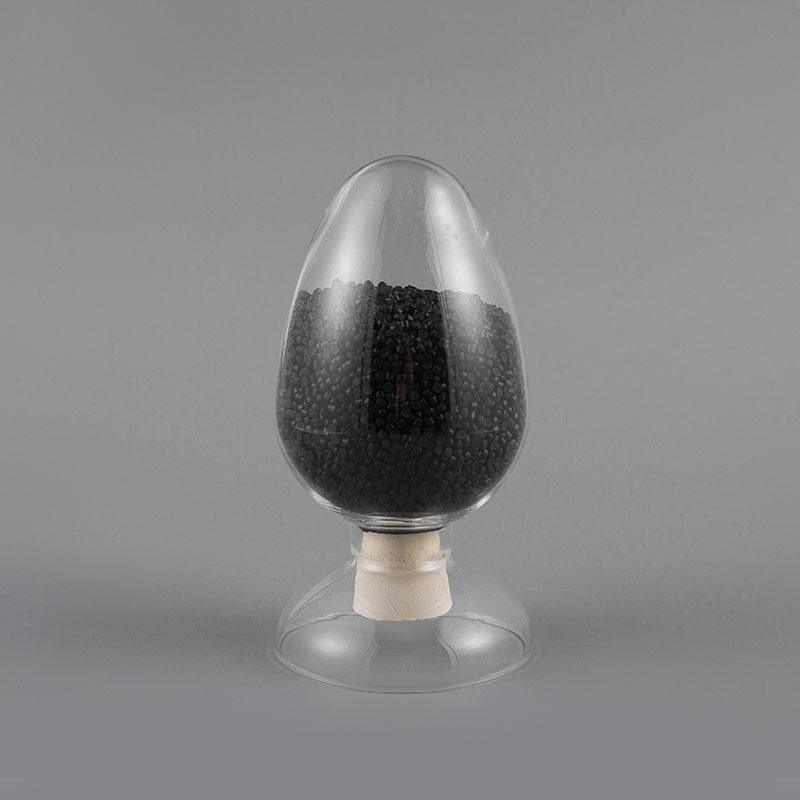
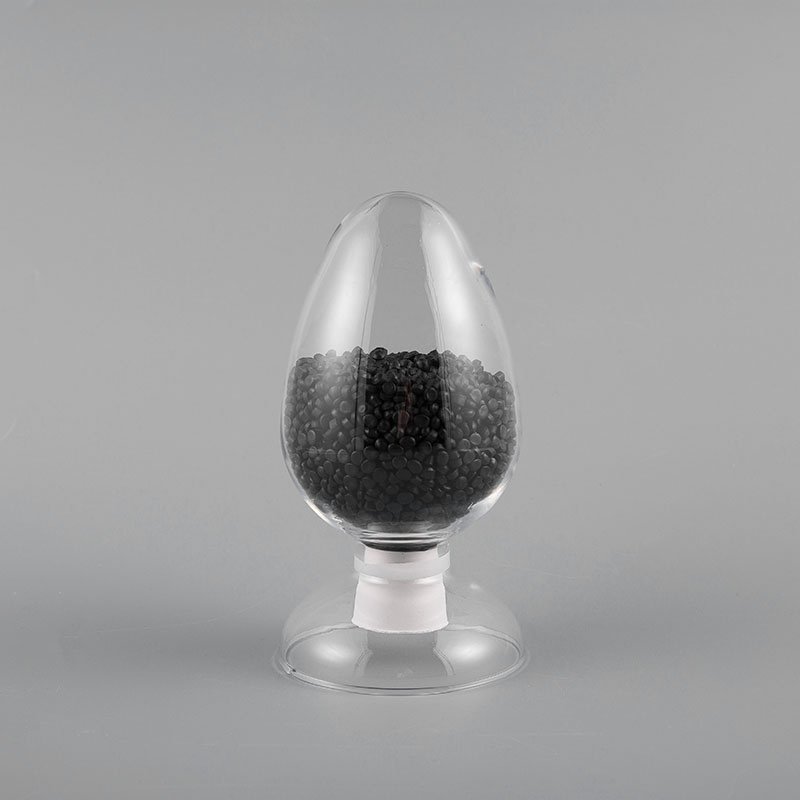
PVC compounds for power cables are formulated polymer materials used to insulate and sheath electrical conductors, combining dielectric performance with mechanical durability and, in many formulations, flame retardant properties. For cable manufacturers, electrical contractors, and engineering procurement buyers, compound selection directly affects cable safety ratings, service life, and compliance with relevant electrical codes. This guide covers the main compound types used across the power cable industry, where each is typically applied, the performance properties worth evaluating, and how PVC compounds behave during extrusion and cable manufacturing.
Types of PVC Compounds for Power Cables
A useful types of PVC compounds for power cables comparison starts with function, since insulation compounds and sheathing compounds are formulated differently even when based on the same base polymer.
- Cable Insulation PVC Compound. Formulated for direct contact with the conductor, prioritizing dielectric strength and consistent electrical resistance over the compound's service life.
- PVC Sheathing Compound. Applied as the outer protective layer, formulated more for mechanical toughness, abrasion resistance, and environmental exposure than for electrical properties alone.
- Flame Retardant PVC Compound. Modified with flame retardant additives to slow combustion and limit flame spread, commonly specified for building wiring and industrial cable applications subject to fire safety codes.
- Low Smoke PVC Compound. Formulated to reduce smoke density and toxic gas emission during combustion, relevant for enclosed spaces such as tunnels, transit systems, and high-occupancy buildings.
- Flexible PVC Cable Compound. Formulated with plasticizer levels tuned for repeated bending and flexing, used in applications where the cable is moved or coiled during normal use.
Power cable PVC insulation material grades vary by the specific plasticizer and stabilizer package used, which affects flexibility, temperature rating, and aging resistance. Flame retardant PVC cable insulation compound formulations and low smoke PVC sheath compound for cables are frequently combined in a single product line for applications where both fire safety and toxicity limits apply, such as PVC compounds for power cables used in commercial building infrastructure.
Applications of PVC Compounds in Power Cable Industry
PVC compounds are used across a wide range of power cable categories, with formulation adjusted to match voltage class, installation environment, and mechanical exposure.
Low Voltage Power Distribution
PVC compound for low voltage power cables is one of the most established applications in the industry, valued for a practical balance of dielectric performance, processing ease, and cost efficiency. Low Voltage Power Cable insulation and sheathing typically use standard PVC formulations unless a specific fire rating or environmental condition calls for a modified compound.
Medium Voltage Cable Sheathing
Medium Voltage Cable Sheathing applications generally place greater demands on mechanical toughness and long-term aging resistance, since medium voltage cables are often installed in more demanding environments and expected to remain in service over longer periods without replacement.
Building Wiring and Commercial Construction
PVC insulation for building wiring cables is closely tied to fire safety code requirements, and Building Wiring Cable compounds frequently incorporate flame retardant additives as a baseline specification rather than an optional upgrade. Power distribution cable sheath material PVC choices in commercial buildings often need to meet both mechanical and fire performance standards simultaneously.
PVC compounds for power cables are polymer-based insulation and sheathing materials engineered to provide dielectric protection, mechanical durability, and, in many formulations, flame retardant performance for electrical conductors.
Industrial and Heavy-Duty Wiring
Industrial cable insulation compound applications frequently require higher abrasion resistance and chemical exposure tolerance than standard building wiring, since Industrial Electrical Cable installations are often exposed to oils, solvents, and mechanical wear on factory floors and processing facilities.
Underground and Buried Cable Systems
Underground cable PVC protection layer use depends heavily on moisture resistance and long-term environmental stability, since Underground Cable Systems remain buried and inaccessible for inspection over extended periods. Sheathing compounds specified for underground use typically prioritize resistance to soil chemicals and moisture ingress alongside standard mechanical properties.
Key Performance Properties Buyers Should Evaluate
Evaluating a PVC compound for power cable use requires reviewing dielectric strength, flame retardant performance, thermal stability, and tensile properties against the target application's electrical and environmental demands.
The compound's ability to resist electrical breakdown under applied voltage, central to insulation safety.
Resistance to ignition and flame spread, relevant to code compliance in building and industrial settings.
Consistent performance across the compound's rated operating temperature range without degradation.
Mechanical resistance to stretching and stress during installation and service life.
Dielectric Strength and Electrical Safety
PVC cable compound dielectric strength rating is one of the most fundamental properties for insulation-grade compounds, since it directly determines the voltage level a given wall thickness can safely withstand. Dielectric Strength PVC Compound formulations are tested against relevant national and international electrical standards, and buyers should request compliance documentation specific to the voltage class and application being specified.
Flame Retardant Performance and Code Compliance
Flame retardant PVC compound performance standards vary by region and application, and Flame Retardant Performance should be verified against the specific code requirements governing the installation, whether that is a national electrical code, a building fire code, or an industry-specific standard for transit or marine cable applications.
Thermal Stability Under Operating Conditions
Thermal stability power cable insulation material performance affects how a compound behaves both during normal operation and under short-term overload conditions. Thermal Stability Cable Compound formulations are typically rated for a maximum continuous operating temperature, and exceeding that rating over time can accelerate insulation degradation and reduce service life.
Mechanical Strength and Durability
PVC cable sheath tensile strength properties determine how well the outer layer withstands installation stresses such as pulling through conduit, as well as ongoing mechanical exposure in the field. Tensile Strength Cable Sheath performance, combined with adequate elongation at break, supports a long service life cable insulation compound profile that resists cracking as the material ages.
| Compound Type | Primary Property | Typical Application |
| Standard Insulation PVC | Dielectric Strength | Low voltage power cables |
| Flame Retardant PVC | Flame Resistance | Building wiring, industrial cable |
| Low Smoke PVC | Reduced Smoke/Toxicity | Enclosed and transit spaces |
| Flexible PVC | Bend/Flex Durability | Portable and coiled cable applications |
Processing and Manufacturing Considerations
How PVC compound is used in cable extrusion depends on maintaining consistent temperature, mixing quality, and additive dispersion throughout the production process.
- Compound mixing and stabilizationMixing and Stabilization Additives are blended into the base PVC resin to achieve the target flexibility, flame retardancy, and processing characteristics before extrusion begins.
- Feeding and meltingThe compound is fed into the extruder and heated to a controlled melt state suited to the cable sheathing line production equipment being used.
- Extrusion over the conductorTemperature control extrusion settings are maintained precisely during this stage, since inconsistent melt temperature can lead to wall thickness variation or surface defects.
- Cooling and quality inspectionThe extruded cable passes through a cooling trough and is inspected for dimensional consistency, surface finish, and adhesion before spooling.
PVC cable insulation extrusion process guide practices generally emphasize consistent line speed alongside temperature control, since mismatched speed and cooling rates are a common source of extrusion defects. Additives in PVC power cable compounds, including stabilizers, plasticizers, and flame retardant packages, need to be evenly dispersed during mixing to avoid localized weak points in the finished insulation. Temperature control in cable sheathing process stages is particularly critical near the die, where excessive heat can degrade the compound while insufficient heat can prevent proper flow and surface finish. PVC compound processing for wire manufacturing at scale typically relies on inline monitoring to catch temperature or dimensional drift before it affects a significant length of finished cable.
FAQ
What is PVC compound for power cables?
PVC compound for power cables is a formulated polyvinyl chloride material used as insulation or outer sheathing on electrical conductors, engineered for dielectric performance, mechanical durability, and often flame retardant properties.
What is PVC insulation in cables?
PVC insulation is the layer of PVC compound applied directly around the conductor to provide electrical insulation, preventing current leakage and protecting against electrical faults under normal operating voltage.
Is PVC good for electrical cable insulation?
PVC is widely used for electrical cable insulation due to its practical balance of dielectric strength, processing ease, and cost efficiency, making it a standard choice for low and medium voltage applications where its temperature and chemical resistance profile meets project requirements.
What are flame retardant cable compounds?
Flame retardant cable compounds are PVC formulations modified with additives that slow ignition and limit flame spread, commonly specified for building wiring and industrial applications subject to fire safety code requirements.
What is the difference between PVC and XLPE cables?
PVC cables use polyvinyl chloride for insulation and sheathing, while XLPE cables use cross-linked polyethylene, which generally offers a higher continuous operating temperature rating and different mechanical and chemical resistance characteristics depending on the specific formulation.
How long do PVC insulated cables last?
Service life depends on the specific compound formulation, operating conditions, and installation environment, with well-specified PVC insulated cables commonly providing many years of reliable service when operated within their rated voltage and temperature limits.
Final Thoughts
Selecting the right PVC compounds for power cables requires matching dielectric strength, flame retardant performance, thermal stability, and mechanical properties to the specific voltage class and installation environment. Building wiring and industrial applications generally call for flame retardant or low smoke formulations to meet fire safety requirements, while underground and heavy-duty applications place greater weight on moisture and abrasion resistance. Careful attention to both compound formulation and extrusion processing quality supports consistent electrical safety and long-term cable performance.