
 English
 中文简体
中文简体 русский



Article Directory
- 1 What ZPE Compounds Are and Why They Matter
- 2 Electrical Insulation Performance: The Core Advantage
- 3 Thermal Stability Under Continuous and Fault Conditions
- 4 ZPE Compounds vs XLPE Compounds: A Direct Comparison
- 5 Processing Performance in High-Speed Extrusion Lines
- 6 Dielectric Properties That Define Long-Term Reliability
- 7 Specifying ZPE Compounds: Key Parameters to Define
In modern power infrastructure, the insulation compound inside a cable is as critical as the conductor itself. ZPE compounds for power cables — zero-halogen polyethylene-based crosslinkable formulations — have emerged as a high-performance alternative to conventional materials, delivering a combination of electrical insulation integrity, thermal endurance, and processing reliability that grid operators and cable manufacturers now demand at voltages from medium up to extra-high voltage (EHV) systems.
What ZPE Compounds Are and Why They Matter
ZPE compounds are peroxide-crosslinkable polyethylene formulations engineered specifically for power cable insulation. The crosslinking process — triggered by heat during extrusion or in a continuous vulcanization (CV) tube — converts linear PE chains into a three-dimensional thermoset network. This network structure is what gives ZPE insulation its exceptional combination of mechanical robustness and electrical stability across a wide service temperature range.
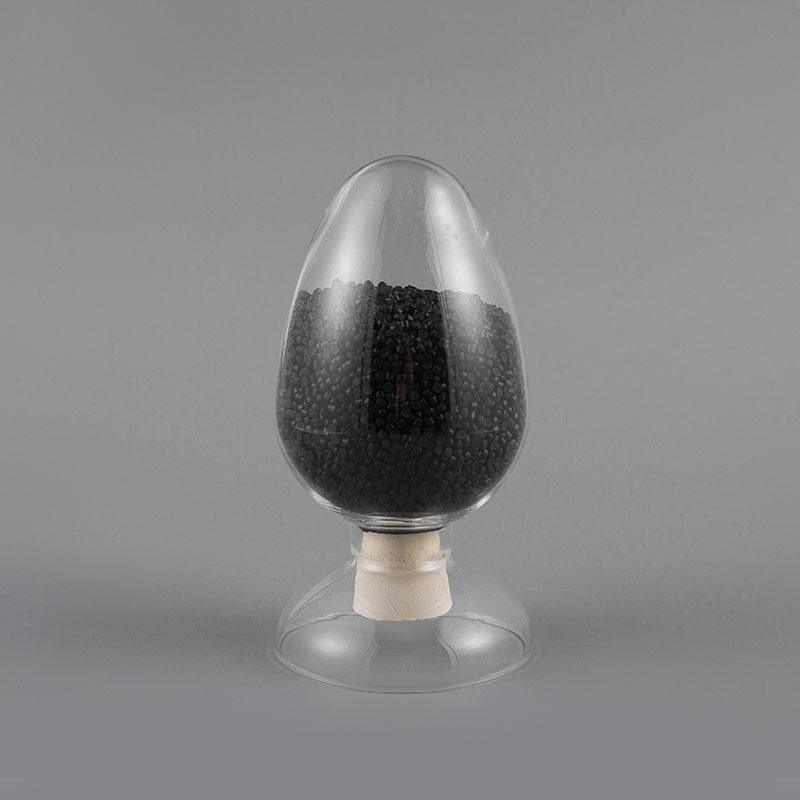
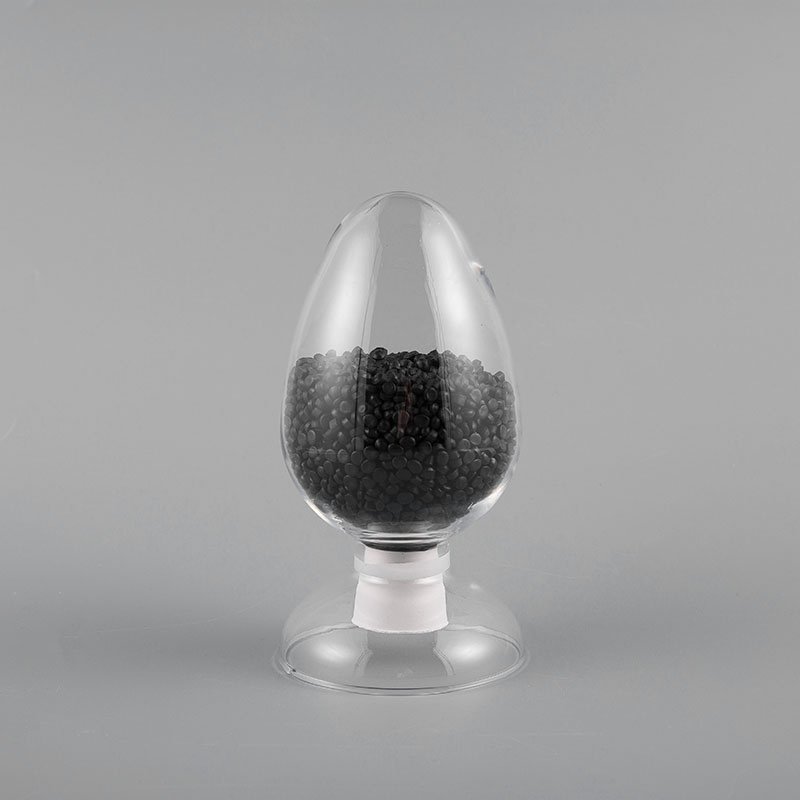
ZPE (Zero-Halogen Polyethylene) compounds are peroxide-initiated crosslinked polyethylene insulation materials formulated without chlorine, bromine, or fluorine — eliminating toxic halogen acid gas emission during combustion while preserving the full dielectric and thermal performance profile of standard XLPE.
The global crosslinked polyethylene cable insulation market was valued at over $6.8 billion in 2023 and is projected to expand at a CAGR above 5.9% through 2030, driven by grid modernization programs across Asia-Pacific, Europe, and North America. Within this growth, halogen-free variants like ZPE compounds are capturing an increasing share as fire-safety regulations tighten in tunnels, transit systems, and densely populated urban cable routes.
Electrical Insulation Performance: The Core Advantage
ZPE compounds deliver electrical insulation properties that meet or exceed IEC 60502 and IEC 60840 requirements for medium and high voltage cable construction. Three parameters define their superiority in demanding grid applications:
- Dielectric Strength Values consistently above 30 kV/mm, enabling thinner insulation walls at equivalent voltage ratings — reducing conductor-to-conductor distance and overall cable outer diameter by up to 12% versus standard XLPE in some MV designs.
- Low Dissipation Factor (tan delta) Tan delta below 1x10⁻⁴ at power frequency minimizes dielectric heating losses, a critical performance criterion for cables operating continuously at high load factors in underground transmission corridors.
- Partial Discharge Resistance The clean, homogeneous morphology achievable with ZPE compounds — a result of tightly controlled additive dispersion — produces insulation with minimal void content, directly reducing susceptibility to partial discharge degradation over the cable's 40+ year design life.
Thermal Stability Under Continuous and Fault Conditions
Thermal stability in cable insulation is evaluated across three distinct regimes: continuous service, overload, and short-circuit. ZPE compounds are formulated to perform reliably across all three without structural degradation or dielectric property loss.
Under continuous operation at 90°C conductor temperature, crosslinked ZPE insulation retains more than 95% of its initial elongation at break after 20,000 hours of thermal aging — a result confirmed in accelerated aging studies referenced by IEC 60216 methodologies. At short-circuit conditions, the thermoset network withstands transient temperatures exceeding 250°C without melting or flow, a failure mode that eliminates thermoplastic PE from short-circuit-rated HV applications entirely.
After 20,000 hours of thermal aging at 90°C, ZPE insulation retains over 95% elongation at break — satisfying IEC 60502-2 Annex B requirements for MV cable qualification without parameter re-testing at the 10,000-hour interval.
ZPE Compounds vs XLPE Compounds: A Direct Comparison
The ZPE versus XLPE debate is fundamentally a question of application environment. Both are crosslinked polyethylene systems — the distinction lies in halogen content, combustion behavior, and regulatory compliance.
- Zero halogen content — no HCl or HBr gas on combustion
- Low smoke density per IEC 61034
- Compliant with EN 50267 corrosivity requirements
- Preferred for tunnels, rail, offshore, and public buildings
- Equivalent dielectric and thermal performance to XLPE
- Typically 8–15% higher material cost vs standard XLPE
- May contain halogenated flame retardant additives
- Higher smoke and corrosive gas potential in fire
- Does not meet EN 50267 in standard formulations
- Standard for open outdoor, duct, and direct-burial routes
- Established, extensive performance data at all voltage levels
- Lower unit cost — preferred where fire class is not specified
For specifications governed by CPR (Construction Products Regulation) in Europe or equivalent national fire safety codes, ZPE compounds are the technically compliant path to Cca and Dca fire performance classifications without redesigning the cable's conductor or metallic screen architecture.
Processing Performance in High-Speed Extrusion Lines
A compound's field performance means nothing if it cannot be processed reliably at production line speeds. ZPE compounds for power cables are engineered with processing performance as a primary design criterion alongside electrical properties.
| Processing Parameter | ZPE Compound Specification | Significance |
| Melt Flow Index (MFI) | 0.8 – 2.0 g/10 min (190°C/2.16 kg) | Ensures dimensional stability at extrusion die exit |
| Scorch Time (ts1) | Greater than 12 min at 140°C | Prevents premature crosslinking before CV tube entry |
| Crosslink Degree (hot set) | Less than 100% elongation at 200°C / 20N/cm2 | Confirms full cure per IEC 60811-507 |
| Processing Temperature | 120 – 150°C (barrel zones) | Compatible with standard CV tube line configurations |
The controlled scorch time is the most operationally critical specification. It defines the processing window between compound plasticization in the extruder barrel and crosslink initiation in the CV tube — too short and premature crosslinking causes surface roughness and eccentricity defects; too long and cure density at the cable core may be insufficient for IEC qualification tests.
Dielectric Properties That Define Long-Term Reliability
Cable insulation failure modes are predominantly electrical in origin — space charge accumulation, water treeing, and thermal runaway under high field stress. ZPE compound formulations address all three mechanisms through material design.
- Space Charge Suppression: Specially selected antioxidant and voltage stabilizer packages reduce heterocharge accumulation at the conductor screen interface — a mechanism known to amplify local electric field stress by up to 40% in untreated XLPE under DC conditions.
- Water Tree Retardance: Tree-retardant ZPE (TR-ZPE) grades incorporate molecular-level additives that interrupt the electrochemical oxidation pathway responsible for water tree initiation, extending insulation life in wet direct-burial environments beyond IEC 60502 base-line projections.
- Thermal Runaway Margin: The low tan delta characteristic of ZPE insulation ensures that dielectric self-heating at operating field gradients remains well below the threshold at which positive feedback thermal instability can develop — a requirement explicitly addressed in IEC 62067 for EHV cable design.
Specifying ZPE Compounds: Key Parameters to Define
Selecting the right ZPE compound grade for a cable design requires alignment across six specification axes. Provide your compound supplier with clear targets for each to receive a technically compliant recommendation: