
 English
 中文简体
中文简体 русский


Article Directory
- 1 // 01What are silane XLPE compounds for power cables and how do they work in cable insulation?
- 2 // 02What are the main types of XLPE cable compounds?
- 3 // 03Where are silane XLPE compounds commonly used in electrical systems?
- 4 // 04What performance properties should silane XLPE compounds provide?
- 5 // 05How are silane XLPE compounds manufactured?
- 6 // 06How do silane XLPE compounds compare with PVC and EPR cable materials?
- 7 // 07What are the limitations of silane XLPE compounds?
- 8 // 08What is the future trend of XLPE compounds in power cable industry?
- 9 // FAQFrequently Asked Questions
Insulation material selection determines how a power cable performs under load, moisture, and years of thermal cycling. Silane XLPE compounds for power cables have become a standard choice for medium and low voltage systems because they cure into a crosslinked structure without requiring the high-temperature peroxide process older insulation systems relied on. This guide covers what the material is, how it is produced, where it performs best, and how it compares with PVC and EPR alternatives.
// 01What are silane XLPE compounds for power cables and how do they work in cable insulation?
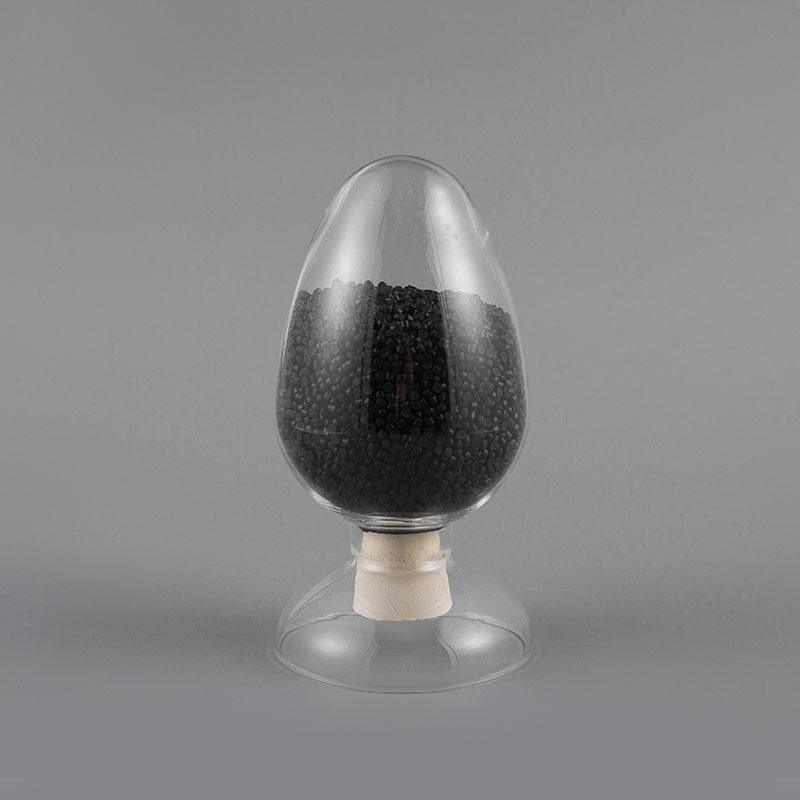
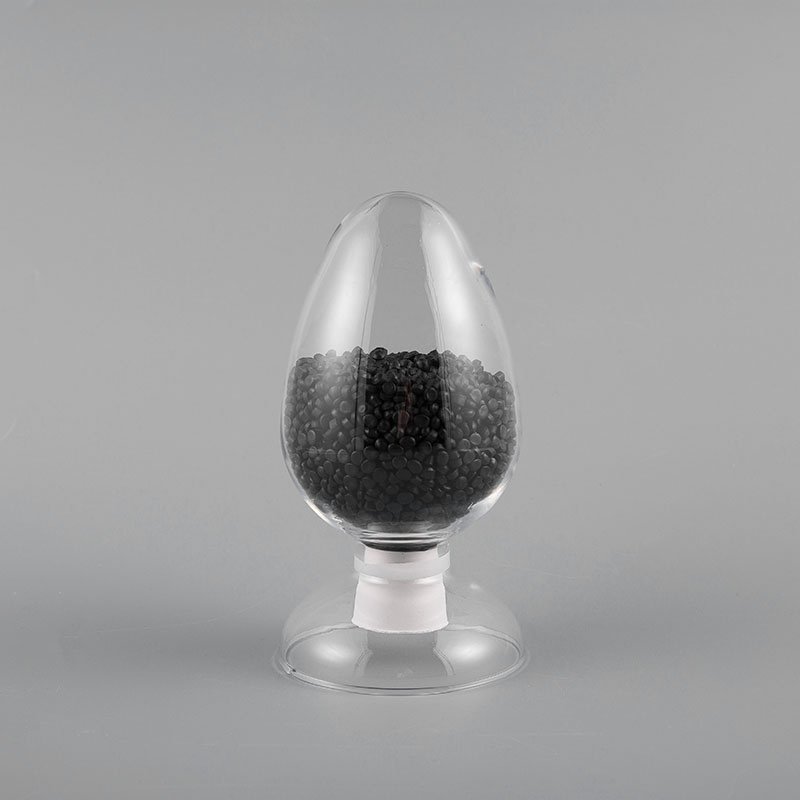
A silane XLPE compound is a polyethylene-based insulation material grafted with silane groups that crosslink through exposure to moisture after extrusion, rather than through peroxide-driven heat curing. The result is a crosslinked polyethylene insulation material with a three-dimensional molecular network that resists deformation at elevated temperatures far better than uncrosslinked polyethylene.
- Base polymer
- Polyethylene, silane-grafted
- Crosslinking trigger
- Moisture (ambient or steam/water bath curing)
- Primary role
- Power cable insulation compound layer
- System type
- Moisture crosslinking XLPE system
Once crosslinked, the electrical cable polymer insulation no longer melts in the conventional sense — it retains its shape under thermal stress, which is the property that makes XLPE preferable to thermoplastic insulation in cables expected to carry sustained or fluctuating loads.
// 02What are the main types of XLPE cable compounds?
Not all crosslinked polyethylene compounds cure the same way, and the method affects both processing line design and finished cable properties.
Silane grafted XLPE compound
Crosslinks after extrusion through moisture exposure, allowing standard single-screw extrusion lines without an in-line curing tube.
Peroxide XLPE compound
Crosslinks during extrusion via heat-activated peroxide, requiring a continuous vulcanization line with precise temperature control.
Moisture cure XLPE insulation
A broader category covering silane-based systems where curing continues gradually after the cable leaves the line.
Low and medium voltage compounds
Formulated with different additive packages depending on whether the cable is rated for building wiring or distribution-level voltage.
The difference between silane XLPE and peroxide XLPE mainly comes down to production equipment: silane systems suit facilities without continuous vulcanization tubes, while peroxide systems are often selected where line speed and equipment are already set up for heat curing.
// 03Where are silane XLPE compounds commonly used in electrical systems?
Medium voltage feeder lines running from substations into local networks.
Buried runs where moisture exposure over decades makes crosslinked insulation preferable to thermoplastic alternatives.
Low voltage circuits inside commercial and residential structures.
Factory and plant wiring subject to frequent thermal cycling from equipment loads.
Solar and wind installation cabling exposed to outdoor weathering and UV over long service periods.
// 04What performance properties should silane XLPE compounds provide?
A cable insulation compound is judged on how it behaves at both electrical and mechanical extremes, not just under normal operating conditions.
High dielectric strength insulation is the baseline requirement for any cable compound, but thermal resistance cable material properties are what separate XLPE from simpler thermoplastics — the crosslinked network holds its insulating performance even as conductor temperature rises under load. Moisture resistance crosslinked polymer behavior and aging resistance electrical insulation over the service life both depend heavily on formulation quality and how thoroughly the crosslinking reaction completes during and after curing.
// 05How are silane XLPE compounds manufactured?
Manufacturing runs through polymer grafting, extrusion, and moisture curing stages before the insulated cable is ready for testing.
Silane grafting polymer process
Compounding with additives
Extrusion onto conductor
Crosslinking moisture curing
Cooling and quality testing
The sequence begins with the silane grafting polymer process, where silane groups are chemically attached to the polyethylene backbone, typically using a peroxide initiator in a separate reactive extrusion step. Extrusion cable compound production then applies the grafted material directly over the conductor. The crosslinking moisture curing process follows, either through ambient air exposure over several days or an accelerated water or steam bath, completing the polymer compounding technology sequence before the cable insulation pellet production output is verified through electrical and mechanical testing.
// 06How do silane XLPE compounds compare with PVC and EPR cable materials?
Insulation material choice generally comes down to a trade-off between thermal performance, flexibility, and processing cost.
| Property | Silane XLPE | PVC | EPR |
| Thermal rating | Higher | Lower | Comparable to XLPE |
| Flexibility | Moderate | High | High |
| Moisture resistance | High once cured | Moderate | Moderate to high |
| Processing complexity | Requires curing step | Simple thermoplastic processing | Requires curing step |
| Typical cost position | Mid to higher | Lower | Higher |
The XLPE vs PVC insulation comparison generally favors XLPE wherever sustained thermal performance matters, since PVC softens at lower temperatures under continuous load. The XLPE vs EPR cable insulation comparison is closer — EPR offers strong flexibility for cables that flex repeatedly, while XLPE is often chosen where dielectric strength material comparison and cable life cycle performance differences favor a crosslinked structure over an elastomeric one. Why XLPE is replacing PVC in many power cable specifications largely comes down to this thermal margin, particularly for buried or high-load applications.
// 07What are the limitations of silane XLPE compounds?
- Processing sensitivity: silane grafting and moisture curing require tighter process control than simple thermoplastic extrusion.
- Curing time dependence: ambient moisture curing can take several days to reach full crosslink density, affecting production scheduling.
- Cost higher than PVC: the additional grafting and curing steps generally raise material and processing cost.
- Storage stability issues: compounds can begin reacting with atmospheric moisture if not stored and handled correctly before extrusion.
- Installation condition requirements: curing performance is sensitive to humidity and temperature during and after the extrusion stage.
// 08What is the future trend of XLPE compounds in power cable industry?
Grid modernization and rising renewable capacity are pushing insulation development in a few consistent directions for silane XLPE compounds for power cables and related material systems.
High voltage DC cable insulation is an area of active development as long-distance renewable transmission grows, requiring insulation systems with even tighter space-charge control than standard AC distribution cable. Eco friendly cable materials and recyclable polymer insulation systems are gaining attention as utilities plan for cable replacement cycles decades out, and smart grid electrical infrastructure is increasingly specifying advanced crosslinking technology that improves consistency between production batches.
// FAQFrequently Asked Questions
What is silane XLPE compound?
A polyethylene insulation material grafted with silane groups that crosslinks through moisture exposure after extrusion.
What is XLPE used for in cables?
It serves as the primary insulation layer around the conductor in low and medium voltage power cables.
Difference between XLPE and PVC cable?
XLPE offers a higher thermal rating and better long-term insulation stability, while PVC is simpler to process but less heat tolerant.
Is XLPE better than PVC for insulation?
For applications with sustained thermal load or long service life, XLPE generally performs better, though PVC remains suitable for lighter-duty wiring.
How is XLPE crosslinked?
Silane-grafted XLPE crosslinks through moisture exposure, while peroxide XLPE crosslinks through heat during extrusion.
Where are XLPE cables used?
They are used in underground distribution, building wiring, industrial power lines, and renewable energy cable systems.