
 English
 中文简体
中文简体 русский



Article Directory
- 1 1. The Chemistry of Safety: Halogen-Free Flame Retardancy
- 2 2. Protecting Hardware Integrity in High-Density Data Centers
- 3 3. Compliance and Regulatory Standards in Public Infrastructure
- 4 4. Enhancing Longevity: Environmental and Physical Resistance
- 5 Frequently Asked Questions (FAQ)
- 5.0.1 1. Are LSZH compounds for cables more expensive than PVC?
- 5.0.2 2. Can LSZH cables be used in plenum spaces?
- 5.0.3 3. How should LSZH cables be stored to maintain their properties?
- 5.0.4 4. Does Hangzhou Meilin offer customized LSZH formulations?
- 5.0.5 5. What is the typical lifespan of an LSZH-jacketed cable?
- 6 Industry References
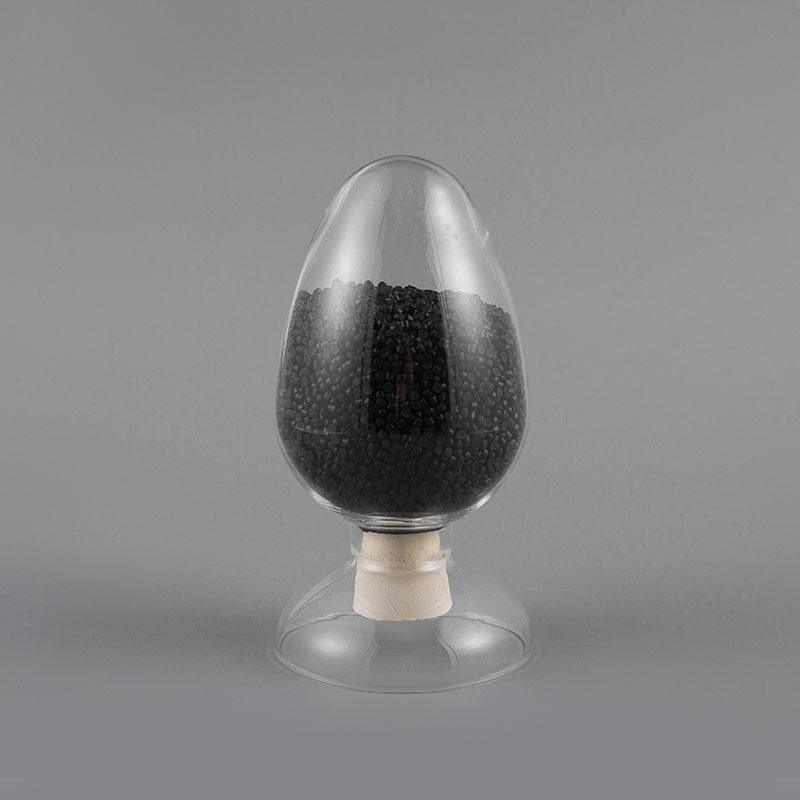
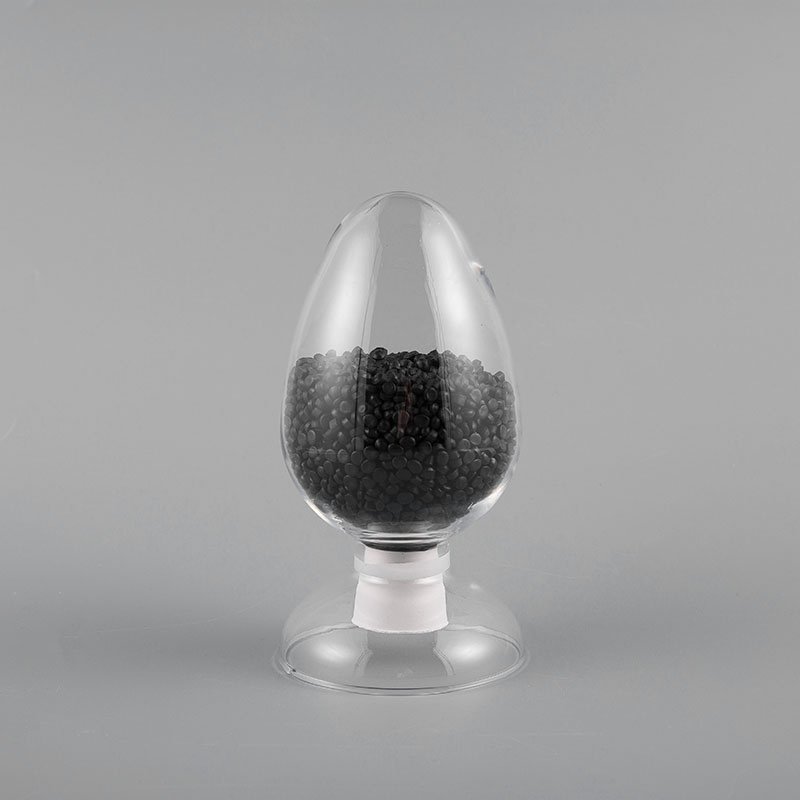
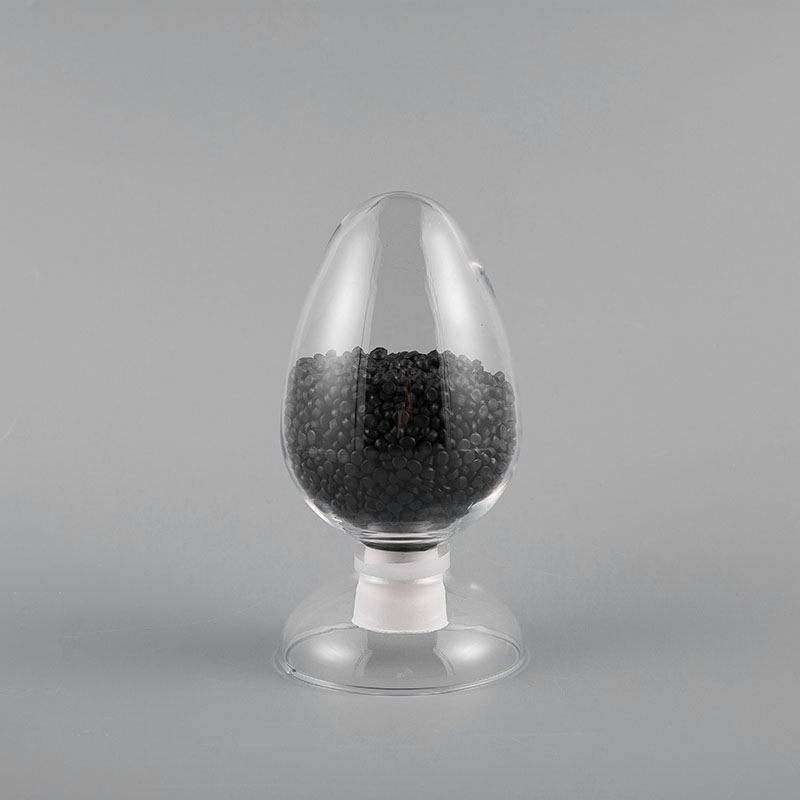
As global data consumption surges, the architectural density of data centers and the complexity of public infrastructure have reached unprecedented levels. In these confined, high-value environments, the choice of jacketing and insulation materials for communication cables is no longer just a technical preference but a critical safety mandate. LSZH compounds for cables (Low Smoke Zero Halogen) have emerged as the industry standard to mitigate the dual threats of fire propagation and toxic gas emission. Hangzhou Meilin New Material Technology Co., Ltd., a professional manufacturer with over 30 years of expertise and 31 advanced automated production lines, stands at the forefront of developing high-performance LSZH solutions that protect both human life and expensive electronic hardware.
1. The Chemistry of Safety: Halogen-Free Flame Retardancy
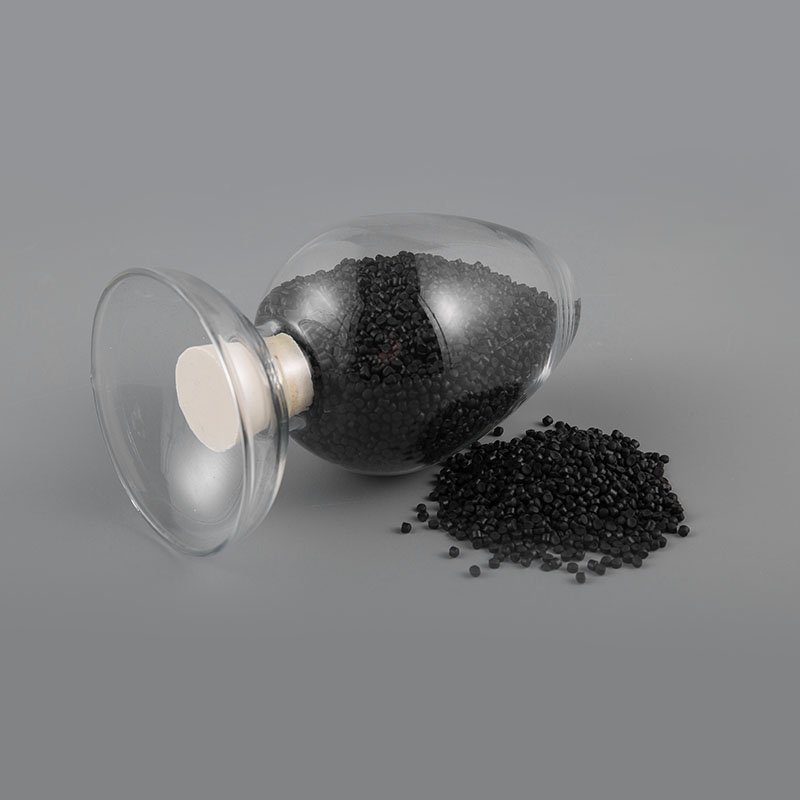
Traditional cable jackets often utilize PVC (Polyvinyl Chloride), which contains halogens like chlorine. One must understand what is the difference between PVC and LSZH cable compounds during a thermal event. When PVC burns, it releases hydrogen chloride gas, which turns into corrosive hydrochloric acid upon contact with moisture. LSZH compounds for cables replace these halogens with inorganic hydrated minerals, such as Aluminum Trihydrate (ATH) or Magnesium Hydroxide (MDH). These minerals undergo endothermic decomposition, releasing water vapor to cool the flame and forming a protective char layer.
While PVC is cost-effective and flexible, its smoke is dense and highly acidic, whereas LSZH materials prioritize minimal smoke density and non-corrosive emissions to ensure visibility and equipment integrity.
| Performance Metric | LSZH Compounds | Standard PVC Compounds |
| Halogen Content | Zero (Halogen-free) | High (Contains Chlorine) |
| Smoke Toxicity | Very Low (Non-corrosive) | High (Acidic and toxic) |
| Smoke Density | Low (High visibility for evacuation) | Dense (Obscures exit paths) |
2. Protecting Hardware Integrity in High-Density Data Centers
In a high-density data center, millions of dollars in servers and switches are packed into tight racks. Engineers frequently ask, how do LSZH cable materials prevent equipment corrosion? In the event of a minor overheating or fire, the acidic fumes from halogenated cables can permeate server chassis and etch delicate copper traces on PCBs (Printed Circuit Boards). By utilizing LSZH compounds for cables, facility managers ensure that even if a fire occurs, the byproduct of combustion will not lead to a secondary wave of hardware failure. Hangzhou Meilin New Material Technology Co., Ltd. produces high-specification LSZH materials that are rigorously tested to ensure they meet the stringent demands of modern telecommunications.
Thermal Stability and Processing Efficiency
A common technical challenge for cable manufacturers is how to improve the extrusion process for LSZH compounds. Due to high filler loadings of minerals like ATH, LSZH can be more difficult to process than PE or PVC. However, utilizing 31 advanced automated production lines, Hangzhou Meilin has optimized the rheological properties of our compounds to ensure high-speed extrusion without compromising the mechanical properties of the finished jacket.
| Engineering Challenge | LSZH Solution | Impact on Infrastructure |
| Corrosion Control | Acid gas emission < 0.5% | Protects server circuitry and connectors |
| Mechanical Strength | Optimized tensile and elongation | Ensures durability in high-density cable trays |
| Environmental Stress | Excellent crack resistance | Extends the lifecycle of communication links |
3. Compliance and Regulatory Standards in Public Infrastructure
In public infrastructure like subways, airports, and tunnels, the primary goal is the safe evacuation of personnel. Why are LSZH cables required in tunnels and confined spaces? In a confined area, smoke inhalation is often more lethal than the heat of the fire itself. Standards such as IEC 60332 (flame retardancy), IEC 60754 (acid gas emission), and IEC 61034 (smoke density) dictate the use of LSZH materials. Our products at Hangzhou Meilin New Material Technology Co., Ltd. are designed to comply with these global certifications, reflecting our output value of over RMB 700 million and our status as a trusted partner in large-scale construction projects.
- Reduced Heat Release: LSZH compounds help slow the spread of fire between cable bundles.
- Human Safety: Near-zero toxic gas emissions increase the "Available Safe Egress Time" (ASET).
- Broad Product Range: Beyond LSZH, we offer PVC, FR-PE, XLPE, and SOLAR CABLE materials to meet diverse project needs.
4. Enhancing Longevity: Environmental and Physical Resistance
Modern data centers also face environmental stressors. A frequent query is what is the UV resistance of LSZH cable compounds for outdoor use? While LSZH is primarily an indoor material, specialized formulations from Hangzhou Meilin New Material Technology Co., Ltd. include carbon black or UV stabilizers to allow for transition zones between indoor and outdoor infrastructure. Furthermore, the question of how to identify high-quality LSZH cable jacketing is answered by looking at the surface finish and the balance between flame retardancy and flexibility, which is a hallmark of our science and technology management team's R&D efforts.
Frequently Asked Questions (FAQ)
1. Are LSZH compounds for cables more expensive than PVC?
The raw materials for LSZH (like mineral fillers) and the specialized processing required do result in a higher initial cost than standard PVC. However, when considering the potential for hardware loss and the safety of public infrastructure, the long-term ROI is significantly higher.
2. Can LSZH cables be used in plenum spaces?
In some regions, specialized "Plenum-rated" LSZH compounds are used. These must meet specific smoke and flame spread requirements (such as NFPA 262). Always check local building codes for specific "LSZH vs Plenum" requirements.
3. How should LSZH cables be stored to maintain their properties?
LSZH materials can be sensitive to moisture over long periods. It is best to store them in cool, dry conditions and ensure the cable ends are capped to prevent moisture wicking into the mineral-filled jacket.
4. Does Hangzhou Meilin offer customized LSZH formulations?
Yes. With 5 senior engineers and a construction area spanning over 45,000 square meters, we support customized adjustments for oil resistance, UV stability, and enhanced flexibility to meet customer-specific requirements.
5. What is the typical lifespan of an LSZH-jacketed cable?
Under standard data center conditions, cables jacketed with high-quality LSZH compounds for cables are designed to last 20 to 25 years, matching the lifecycle of most fiber optic and copper communication systems.
Industry References
- IEC 60754-1/2: Test on gases evolved during combustion of materials from cables.
- IEC 61034-2: Measurement of smoke density of cables burning under defined conditions.
- EN 50399: Common test methods for cables under fire conditions.
- Technical Research Archives: Hangzhou Meilin New Material Technology Co., Ltd. (1994-2025).