
 English
 中文简体
中文简体 русский



Article Directory
- 1 Chemical Composition and Halogen-Free Mechanics
- 2 Flame Retardancy and Heat Release Rates
- 3 Smoke Toxicity and Optical Density
- 4 Processing and Mechanical Considerations
- 5 Conclusion
- 6 Frequently Asked Questions (FAQ)
- 6.1 1. When should I choose LSZH Compounds For Cables over PVC?
- 6.2 2. How to identify LSZH cable vs PVC jacket in the field?
- 6.3 3. Do LSZH Compounds For Cables have a shorter shelf life than PVC?
- 6.4 4. What is the difference between LSZH and LSF cable materials?
- 6.5 5. Can LSZH compounds be customized for UV resistance?
- 7 Related Industry References
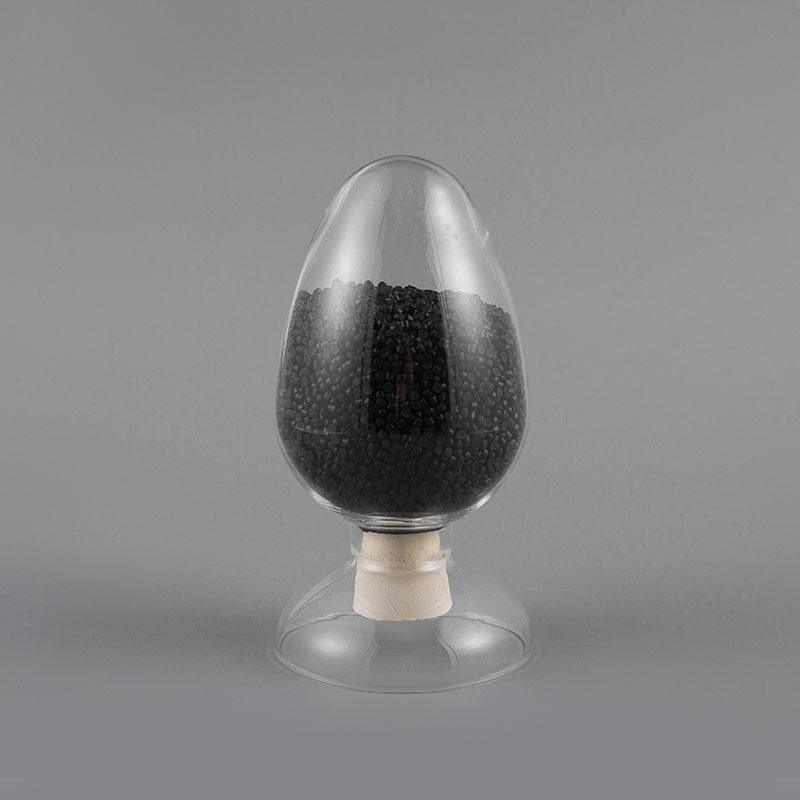
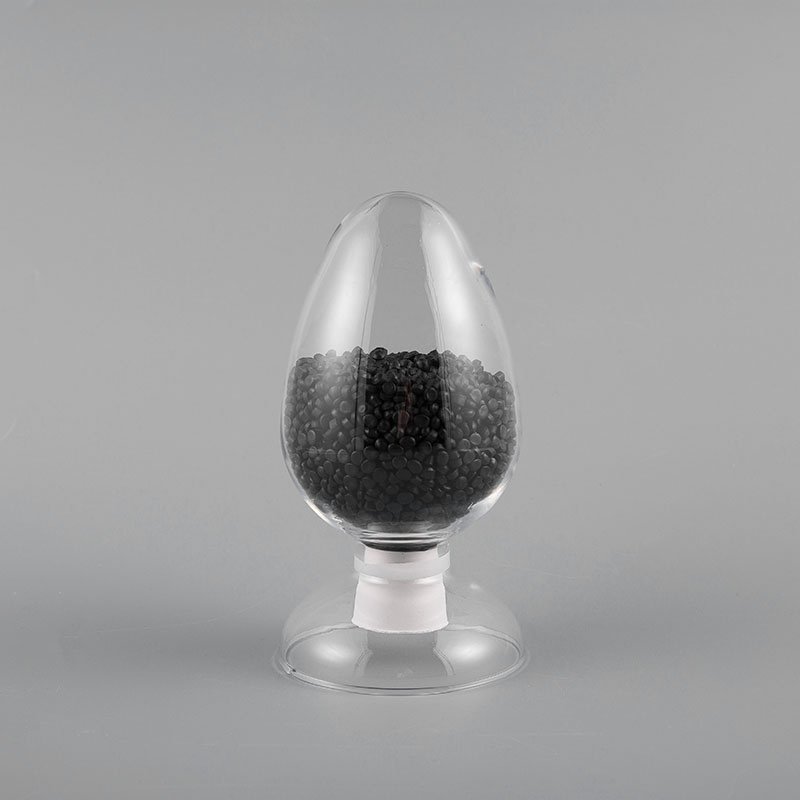
In the evolving landscape of global infrastructure and telecommunications, the selection of jacketing and insulation materials has shifted from basic mechanical protection to life-safety engineering. The adoption of LSZH Compounds For Cables (Low Smoke Zero Halogen) represents a critical response to the hazards identified in traditional Polyvinyl Chloride (PVC) materials during fire incidents. Hangzhou Meilin New Material Technology Co., Ltd., a professional manufacturer with over 30 years of expertise since 1994, operates 31 advanced automated production lines across three plants to address these safety demands. With a technical team led by senior engineers, we specialize in the R&D of high-performance LSZH, PVC, and XLPE materials, ensuring our products meet the stringent requirements of both domestic and international markets.
Chemical Composition and Halogen-Free Mechanics
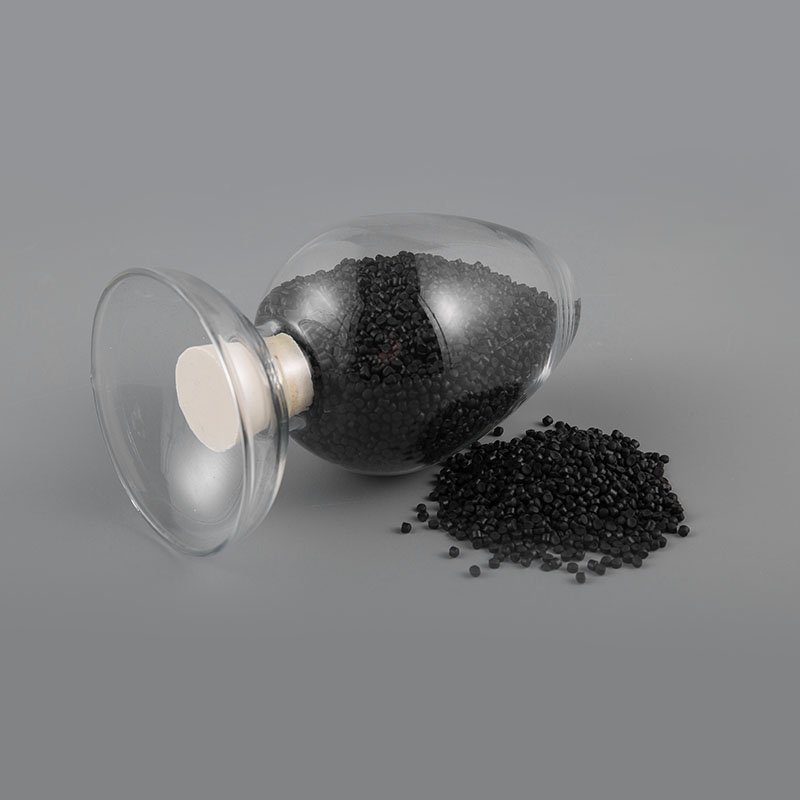
The fundamental difference between these two materials lies in their chemical makeup. Traditional PVC contains halogens (specifically chlorine), which act as a flame retardant but release toxic gases when combusted. Conversely, LSZH Compounds For Cables utilize metal hydroxides, such as Aluminum Trihydrate (ATH) or Magnesium Hydroxide (MDH), to achieve fire resistance through endothermic decomposition. When researching what are the ingredients in LSZH cable compounds, it is found that these minerals release water vapor when heated, cooling the cable and forming a protective char layer without the use of toxic halogens.
Comparison: Material Composition and Environmental Impact
While PVC relies on plasticizers and halogenated fire retardants that can leach or outgas, LSZH materials are designed to be environmentally inert and safer for confined space installations.
| Property | Traditional PVC | LSZH Compounds For Cables |
| Halogen Content | High (Chlorine based) | Zero (Halogen-free) |
| Flame Retardant Mechanism | Chemical radical quenching | Endothermic cooling & char formation |
| Environmental Stability | Risk of lead/phthalate presence | Eco-friendly and RoHS compliant |
Flame Retardancy and Heat Release Rates
From an engineering perspective, flame retardancy is measured by the material's ability to resist ignition and prevent flame spread. PVC is inherently flame retardant but has a high heat release rate once the threshold is crossed. LSZH Compounds For Cables are engineered to meet specific fire ratings such as IEC 60332-1 or 60332-3. A critical question for installers is: is LSZH cable more flame retardant than PVC? In many standardized tests, high-grade LSZH provides superior resistance to flame propagation, particularly in vertical tray tests where the charring effect prevents the "wicking" of the fire.
Technical Performance: Fire Resistance and Ignition
PVC often exhibits melting and dripping behavior during combustion, which can spread fire to lower levels, whereas LSZH maintains structural integrity through its mineral-filled matrix.
| Fire Performance Metric | Traditional PVC | LSZH Compounds For Cables |
| Dripping Behavior | Significant (Flaming droplets) | Minimal to none (Charring) |
| Oxygen Index (LOI) | Typically 25% - 30% | Can exceed 35% - 40% |
| Flame Spread Speed | Moderate to Fast | Self-extinguishing / Slow |
Smoke Toxicity and Optical Density
The most significant advantage of LSZH Compounds For Cables is the reduction in smoke toxicity. In the event of a fire, the chlorine in PVC combines with hydrogen to form Hydrogen Chloride (HCl) gas, which is lethal when inhaled and turns into hydrochloric acid upon contact with moisture, corroding sensitive electronic equipment. Engineers frequently evaluate LSZH vs PVC smoke toxicity in data centers because the clear, non-acidic smoke produced by LSZH facilitates evacuation and protects high-value hardware. LSZH compounds must pass the IEC 61034 test, ensuring smoke density remains low enough to maintain visibility.
Critical Hazards of Halogenated Combustion:
- Toxicity: PVC smoke contains dioxins and acidic gases that cause immediate respiratory distress.
- Corrosivity: Acidic soot from PVC can permanently damage server motherboards and metal structures.
- Visibility: LSZH Compounds For Cables produce white, translucent smoke, whereas PVC produces thick, black, opaque smoke.
Processing and Mechanical Considerations
While safety is paramount, the processing temperature for LSZH cable compounds is a vital factor for manufacturers. LSZH materials are generally more sensitive to shear and temperature than PVC, requiring advanced extrusion equipment like the 31 automated lines at Hangzhou Meilin New Material Technology Co., Ltd. to ensure the mineral fillers are uniformly dispersed without degrading the polymer base. Additionally, when discussing LSZH cable jacket flexibility vs PVC, it is noted that while traditional LSZH was stiffer, modern formulations have achieved high flexibility and oil resistance, rivaling high-end PVC grades.
Mechanical and Processing Comparison
| Operational Factor | Traditional PVC | LSZH Compounds For Cables |
| Extrusion Ease | High (Wide processing window) | Moderate (Requires precise temp control) |
| Flexibility | Excellent | Good (Formula dependent) |
| Moisture Absorption | Low | Slightly higher (Requires proper storage) |
Conclusion
The transition from PVC to LSZH Compounds For Cables is an essential step for high-density public spaces, tunnels, and data centers. While PVC remains cost-effective for general purpose use, the flame retardancy and near-zero smoke toxicity of LSZH are indispensable for modern safety standards. Hangzhou Meilin New Material Technology Co., Ltd. continues to lead the region in cable material production, providing top-tier LSZH solutions backed by three decades of manufacturing excellence and a commitment to asset-rich, sustainable industrial growth.
Frequently Asked Questions (FAQ)
1. When should I choose LSZH Compounds For Cables over PVC?
LSZH is mandatory for applications where human safety and the protection of electronic equipment are priorities, such as in subways, hospitals, aircraft, and poorly ventilated confined spaces.
2. How to identify LSZH cable vs PVC jacket in the field?
LSZH jackets typically have a matte finish compared to the slight gloss of PVC. Furthermore, most LSZH cables are clearly marked with "LSZH," "LS0H," or "OHM" on the outer sheath. In laboratory settings, a "burn test" reveals that LSZH produces a white smoke and ash, while PVC produces black smoke and an acidic odor.
3. Do LSZH Compounds For Cables have a shorter shelf life than PVC?
No. When stored correctly and manufactured to high standards like those at Hangzhou Meilin, LSZH materials exhibit excellent aging characteristics and environmental stress crack resistance (ESCR).
4. What is the difference between LSZH and LSF cable materials?
LSF (Low Smoke and Fume) is often a modified PVC that produces less smoke than standard PVC but still contains halogens. LSZH Compounds For Cables are strictly halogen-free (less than 0.5% HCl gas emission), offering a higher level of safety.
5. Can LSZH compounds be customized for UV resistance?
Yes. Hangzhou Meilin New Material Technology Co., Ltd. supports customized formulations to include UV stabilizers, ensuring that our LSZH materials can be used for both indoor and outdoor solar cable applications.
Related Industry References
- IEC 60332: Tests on electric and optical fiber cables under fire conditions.
- IEC 60754: Test on gases evolved during combustion of materials from cables.
- IEC 61034: Measurement of smoke density of cables burning under defined conditions.
- UL 1685: Standard for Vertical-Tray Fire-Propagation and Smoke-Release Test for Electrical and Optical-Fiber Cables.