
 English
 中文简体
中文简体 русский



Article Directory
- 1 What the LSZH Name Actually Requires
- 2 The Polymer Base: Polyolefins
- 3 The Flame-Retardant Filler System
- 4 Functional Additives: The Small Package with a Large Effect
- 5 How the Materials Support Measurable Fire and Mechanical Performance
- 6 What to Check When You Evaluate an LSZH Compound
- 7 The Right Material Starts with the Right Basis
When a fire breaks out in a tunnel, a data centre, or a high-rise riser, the cable jacket is not just protecting the conductor. It is also part of the smoke management system. Low smoke zero halogen (LSZH) compounds exist for that reason: they limit smoke, avoid hydrogen halide gases, and give people more time to leave the area safely.
LSZH compounds are built from three main components: a halogen-free polyolefin base resin, a high loading of metal hydroxide flame retardant, and a minor but essential package of additives. The exact combination of these ingredients separates a material that simply passes a datasheet from one that performs reliably on an extrusion line and in a real fire.
What the LSZH Name Actually Requires
LSZH material is a cable jacket or insulation compound that produces limited smoke and releases no halogen when exposed to high heat. Halogens include fluorine, chlorine, bromine, and iodine. If a compound contains halogenated polymers or halogenated flame retardants, it cannot be called zero halogen, even if its smoke output is low.
That is why LSZH is an important departure from PVC. Standard flame-retardant PVC contains chlorine, so under fire conditions it can release hydrogen chloride gas, which combines with moisture to form corrosive acid. LSZH removes halogen from the formulation entirely. The design intent is simple: reduce smoke, reduce toxicity, and protect evacuation routes and electronic equipment.
The Polymer Base: Polyolefins
Every LSZH compound is built on a polymer backbone that contains no halogen. The most common base resins are polyethylene (PE), ethylene-vinyl acetate (EVA), polypropylene (PP), and polyolefin elastomer blends. These resins provide the cable with insulation properties, flexibility, low-temperature performance, and a stable platform for extrusion.
The base resin alone is not sufficiently flame retardant. It is the combination of base resin and mineral fillers that makes LSZH work. The polymer matrix also determines how much filler can be added before the material becomes too stiff or too difficult to process.
Thermoplastic Polyolefin Systems
Thermoplastic LSZH compounds are uncrosslinked. They soften when heated, can be reprocessed, and are usually the most straightforward option for standard cable lines. They are widely used for communication cables, control cables, optical fibre cables, and general-purpose building wires.
For many indoor installations, a thermoplastic LSZH sheath compound for communication cables offers a good balance of flame retardancy, extrusion stability, and cost-effectiveness. These grades typically provide good surface finish and mechanical strength at continuous temperatures in the 70–90 °C range.
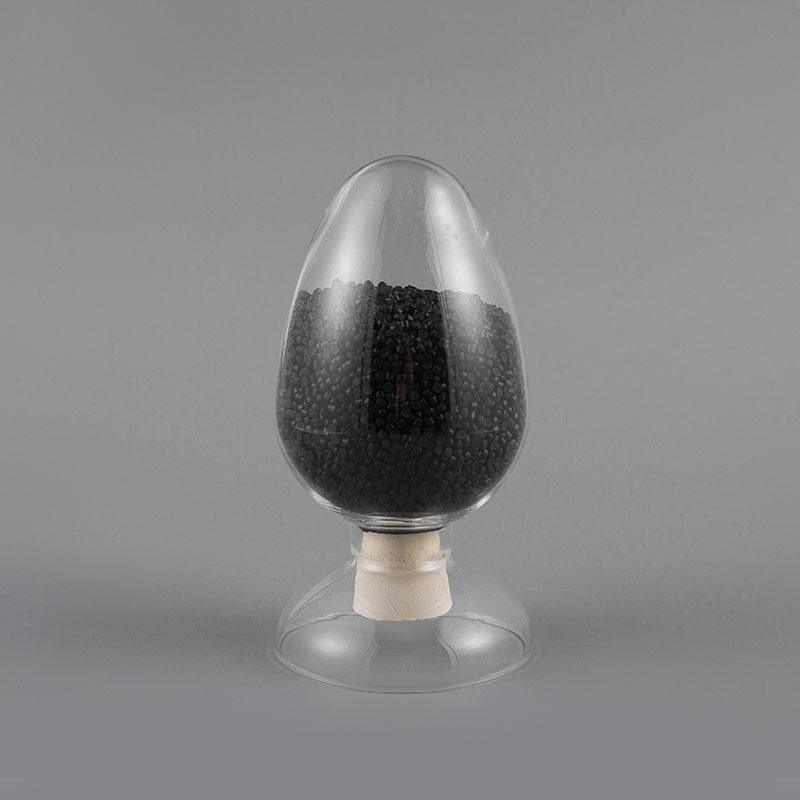
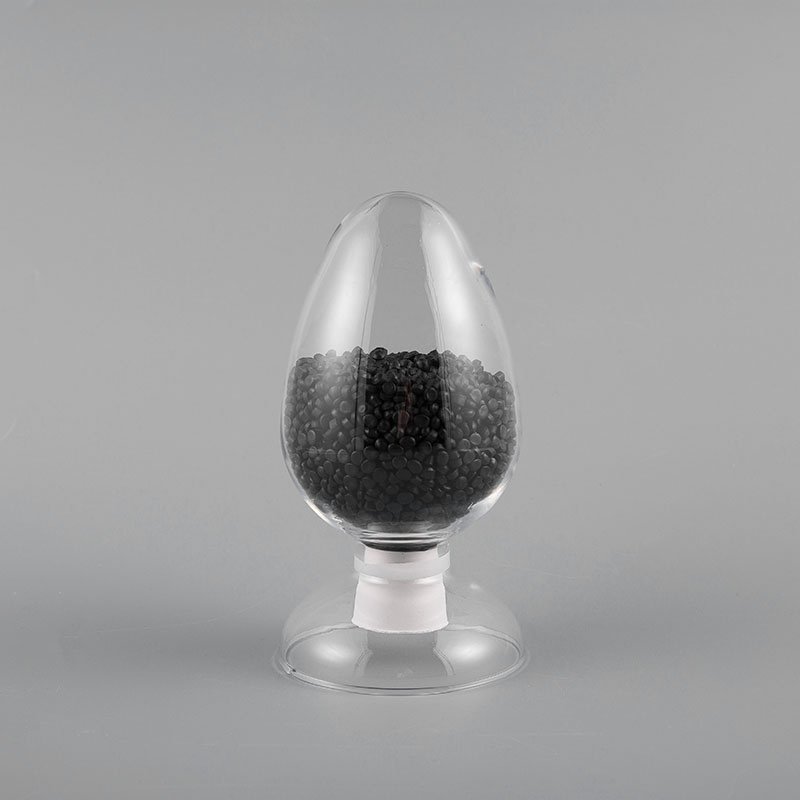
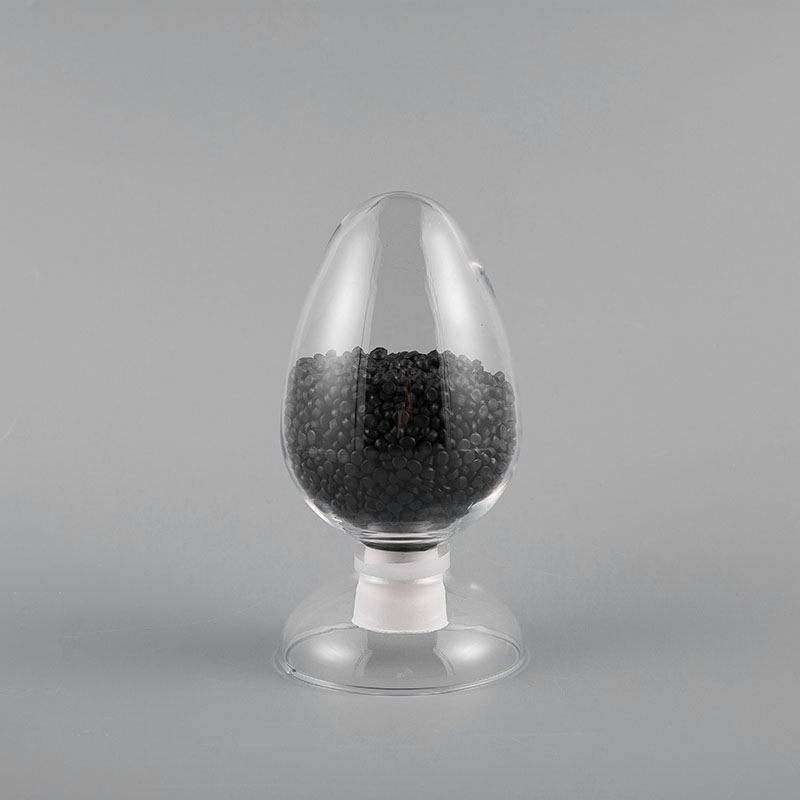
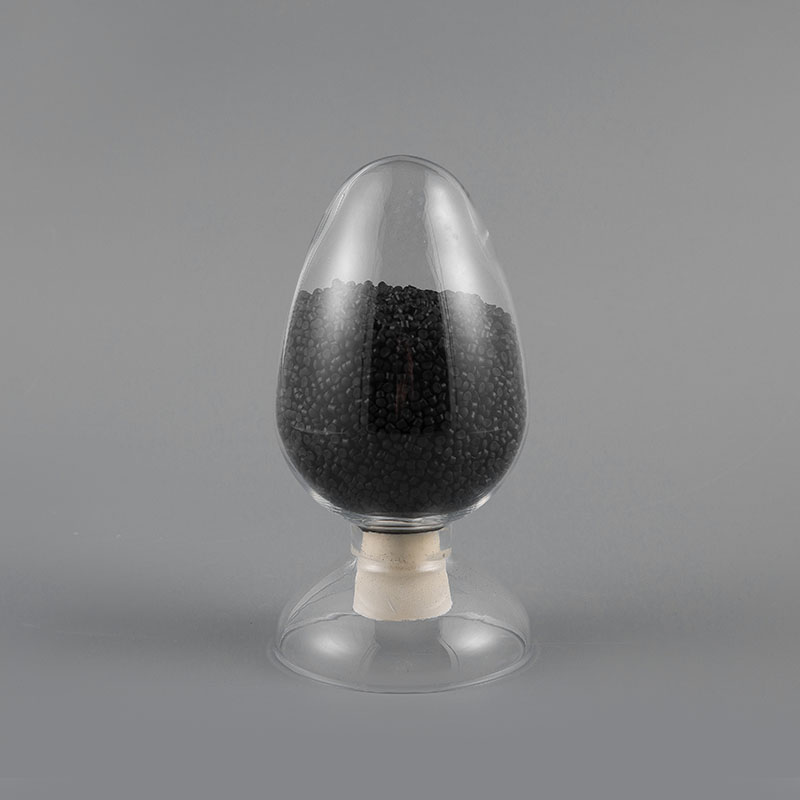 Wholesale ML-TH9001 Thermoplastic LSZH flame- retardant sheath material SupplierWe Are China Wholesale ML-TH9001 Thermoplastic LSZH flame- retardant sheath material Suppliers, Factory, Hangzhou Meilin New Materials Te...View Product →
Crosslinked Polyolefin Systems
Crosslinked LSZH systems are also based on halogen-free polyolefins, but the polymer chains are chemically bonded into a three-dimensional network. This changes the performance envelope. Crosslinked grades can support higher continuous operating temperatures, usually 90 °C, 105 °C, 125 °C, or even 150 °C, and they resist oil, heat deformation, and thermoplastic softening better than uncrosslinked compounds.
Three crosslinking routes are common in LSZH production: silane moisture crosslinking, irradiation crosslinking, and peroxide crosslinking. Each affects the extrusion process and the final material properties. Silane crosslinking is convenient because it can be run on conventional extrusion lines followed by a moisture cure. Irradiation crosslinking uses electron beam equipment and is often used for thin-wall automotive and high-temperature wires. Peroxide crosslinking typically takes place during continuous vulcanization lines.
For building wire projects that need a higher thermal rating, silane-crosslinkable LSZH cable material for building wire is a practical choice because it combines halogen-free fire performance with better heat resistance and mechanical integrity after curing.
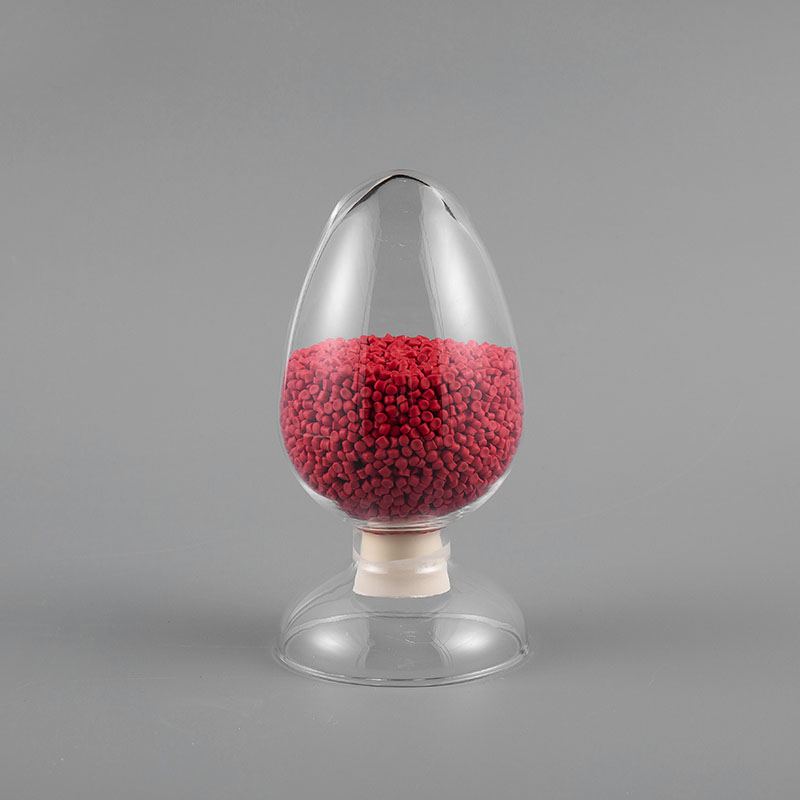 Wholesale ML-GJ1051 105℃ Silane crosslinkable LSZH Flame retardant Polyolefin CaWe Are China Wholesale ML-GJ1051 105℃ Silane crosslinkable LSZH Flame retardant Polyolefin Cable Material Suppliers, Factory, Hangzhou Me...View Product →
The Flame-Retardant Filler System
Without halogens, LSZH compounds use metal hydroxide flame retardants as the main fire-fighting mechanism. These fillers are usually added in high proportions by weight, often between 50% and 65%, and they directly influence the mechanical and processing behaviour of the compound.
Aluminium Trihydroxide (ATH)
ATH, also known as alumina trihydrate, is one of the most widely used halogen-free flame retardants. It starts to decompose at roughly 180–220 °C, releasing water vapour and absorbing heat from the surrounding fire. The released water dilutes flammable gases and reduces the temperature of the polymer surface.
ATH is effective, relatively economical, and works well in thermoplastic LSZH formulations. Its main limitation is decomposition temperature. Because ATH begins to break down below 230 °C, formulations containing ATH are not ideal for high-temperature processing or for compounds needing high continuous ratings.
Magnesium Hydroxide (MDH)
Magnesium hydroxide decomposes at around 330–340 °C, which is significantly higher than ATH. That makes MDH the better choice for crosslinked LSZH systems and for cable compounds that must tolerate higher processing temperatures or reach 105 °C, 125 °C, or 150 °C continuous ratings.
In practice, formulators may combine ATH and MDH to balance cost, processing, heat resistance, and mechanical properties. Some LSZH formulations also include small amounts of synergists such as zinc borate, zinc stannate, or silicone-based char promoters to reduce smoke, support char formation, and keep the burning cable structure more stable.
Functional Additives: The Small Package with a Large Effect
The base resin and flame-retardant fillers are the main ingredients, but they are not enough on their own. A finished LSZH compound contains a carefully balanced additive package that includes antioxidants, processing lubricants, compatibilizers, coupling agents, metal deactivators, carbon black, colorants, and moisture scavengers.
These additives do more than make the material easier to extrude. Coupling agents improve the bond between the polymer matrix and the mineral filler, which preserves tensile strength and elongation when the filler loading is high. Antioxidants and metal deactivators protect the cable from thermal ageing and long-term contact with copper conductors. Without this package, an LSZH compound can pass a fresh-material fire test but fail after years in service.
How the Materials Support Measurable Fire and Mechanical Performance
The final LSZH compound has to satisfy performance criteria that go beyond a simple flame test. Common evaluation standards include IEC 60332-3 for flame spread, IEC 60754-1 and IEC 60754-2 for halogen content and gas acidity, and IEC 61034 for smoke density. The material also needs acceptable tensile strength, elongation at break, abrasion resistance, and low-temperature flexibility.
Thermoplastic and crosslinked systems both meet the zero halogen and low smoke requirements, but the mechanical and thermal performance differs. The table below summarises the practical difference.
| Property | Thermoplastic LSZH | Crosslinked LSZH |
|---|---|---|
| Polymer structure | Linear or lightly branched | Three-dimensional network |
| Typical continuous rating | 70–90 °C | 90–150 °C |
| Main crosslink route | None | Silane, irradiation, or peroxide |
| Fire performance | Low smoke, zero halogen | Low smoke, zero halogen |
| Key strengths | Easy extrusion, good recyclability | Higher heat resistance, better oil resistance, lower deformation |
| Typical applications | Communication, control, optical cables | Automotive, railway, marine, photovoltaic cables |
What to Check When You Evaluate an LSZH Compound
Because LSZH covers several families of materials, the first thing to do is confirm exactly what is being offered. Three useful questions to ask are:
- Is the grade thermoplastic or crosslinked? The answer determines the temperature rating, extrusion process, and installation conditions.
- Which filler system is used? ATH and MDH have different decomposition temperatures and processing limits.
- Which fire and mechanical standards are documented? Look for specific test methods and pass or fail criteria, not just the words “LSZH” or “halogen free.”
It is also important to look at supplier capability. LSZH compounds are highly filled materials, so lot-to-lot consistency depends heavily on mixing control, raw material selection, and production discipline. A manufacturer that can show its production environment and in-house laboratory testing capability is easier to trust than one that only supplies a technical data sheet. For a broader view of how temperature affects material reliability, the mechanical performance of LSZH at different temperatures is a useful reference before finalising a specification.
For power cable projects in buildings, classification matters as much as chemistry. A B1-grade LSZH sheath compound for power cables is worth considering when the project requires a defined contribution to flame spread, smoke production, and burning droplet behaviour under the European Construction Products Regulation. B1 classification is not a single property; it is the result of the full material system working together.
Wholesale ML-H9001B1 Thermoplastic LSZH flame- retardant B1 grade sheath materiaWe Are China Wholesale ML-H9001B1 Thermoplastic LSZH flame- retardant B1 grade sheath material Suppliers, Factory, Hangzhou Meilin New Ma...View Product →
Before purchasing LSZH compounds for building wire, verify that the selected grade matches the required cable standard and processing method. A grade optimised for 90 °C thermoplastic service is not automatically suitable for a 125 °C crosslinked automotive cable construction, even if both are technically low smoke and zero halogen.
The Right Material Starts with the Right Basis
LSZH compounds are not a single formula. The materials used in them are chosen to meet a specific temperature class, fire standard, mechanical load, and manufacturing process. The base resin gives the material its fundamental electrical and physical character. The metal hydroxide filler system provides the fire response. The additive package protects performance during compounding, extrusion, installation, and years of service.
When a cable manufacturer specifies LSZH, the relevant question is not only “does it contain no halogen?” It is also “can this specific compound meet the mechanical and thermal demands of the application?” The answer usually starts with one distinction: thermoplastic or crosslinked.