
 English
 中文简体
中文简体 русский



Article Directory
- 1 What Makes This Compound Different From Standard PVC
- 2 From Compound to Finished Waterproof Sheet
- 3 Performance Gains That Come From the Compound
- 4 Weather and Aging Resistance for Outdoor Exposure
- 5 Where These Membranes Get Used
- 6 PVC Compound vs Traditional Waterproof Materials
- 7 What to Evaluate Before Selecting a Compound Supplier
A waterproof sheet is only as good as the compound it is extruded from, and that is where PVC Compound for Waterproof Membranes earns its place in the formulation. Flexibility, weather resistance, and processing stability all trace back to how the PVC resin, plasticizers, and stabilizers are balanced before extrusion even starts. Here is how that compound turns into a finished, high-performance membrane.
What Makes This Compound Different From Standard PVC
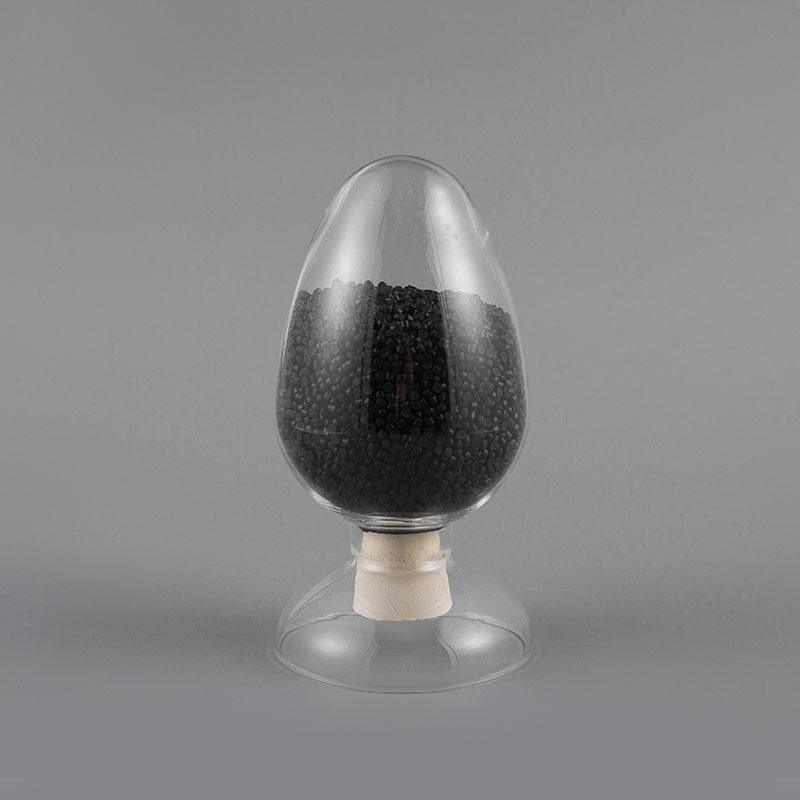
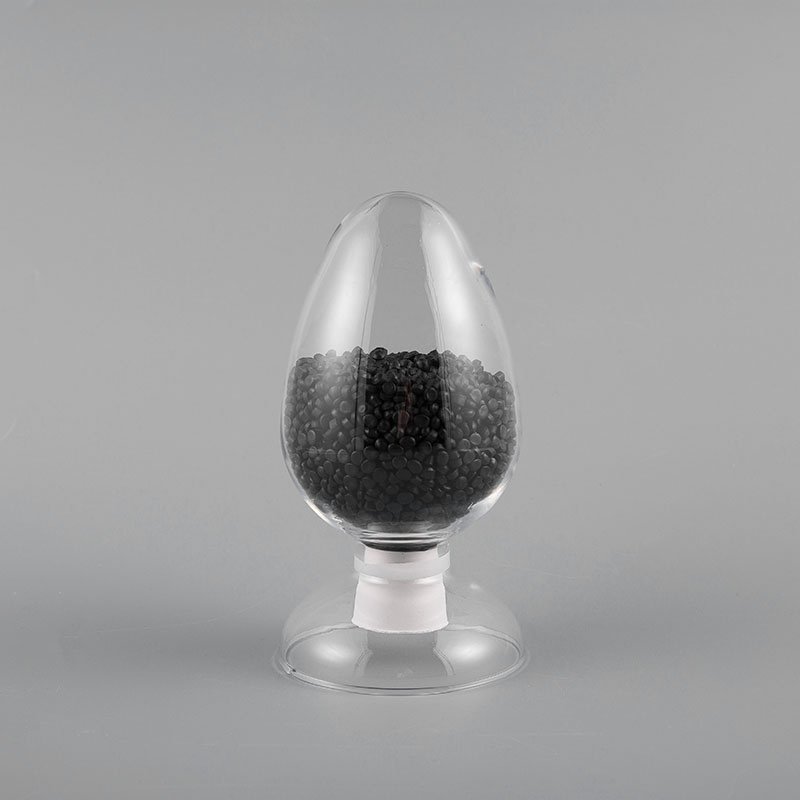
PVC Compound for Waterproof Membranes is a specially engineered polymer formulation built for waterproof sheet extrusion, not general-purpose PVC processing. It combines PVC resin, plasticizers, stabilizers, fillers, and processing additives specifically balanced to improve flexibility, weather resistance, aging resistance, and waterproof performance beyond what standard PVC grades achieve.
Processing performance and finished-sheet performance are decided at the compounding stage. A weak formulation shows up later as surface defects, cracking, or shortened service life, not as a fixable extrusion setting.
From Compound to Finished Waterproof Sheet
Manufacturing moves through three connected stages, each one shaping the final membrane's performance.
Material Mixing
Compound ingredients are blended for uniform additive distribution, which stabilizes color and processing behavior downstream.
Extrusion Processing
The compound melts and flows through the die to form continuous sheets, with melt stability directly affecting thickness uniformity and surface quality.
Cooling and Finishing
The sheet is cooled, surface-treated, and inspected before it meets the physical property requirements for construction use.
Performance Gains That Come From the Compound
A well-formulated PVC Compound for Waterproof Membranes improves resistance to water penetration, mechanical stress, and temperature swings, which is what makes long-term applications like building roofs and underground structures viable. Optimized plasticizer systems also add elongation performance and crack resistance, letting flexible sheets adapt to thermal expansion and building movement without failing at the seams.
Weather and Aging Resistance for Outdoor Exposure
Sunlight, rain, and temperature fluctuation degrade poorly formulated PVC over time through UV degradation and oxidation. High-performance compound formulations push back on that aging process, which is why outdoor membranes built on the right compound maintain performance over extended service periods instead of embrittling within a few seasons.
Where These Membranes Get Used
| Application | Typical Use | Primary Benefit |
| Building roofing | Flat roofs, warehouses | Long-term weather protection |
| Underground waterproofing | Basements, tunnels | Moisture and structural protection |
| Civil engineering | Bridges, water treatment | Durable infrastructure protection |
| Industrial waterproofing | Factories, storage facilities | Chemical and mechanical resistance |
PVC Compound vs Traditional Waterproof Materials
| Feature | PVC Compound Membranes | Traditional Materials |
| Flexibility | Excellent | Depends on material |
| Weather resistance | High | Variable |
| Installation efficiency | High | Moderate |
| Service life | Long | Varies |
What to Evaluate Before Selecting a Compound Supplier
- Processing performance: extrusion compatibility, melt stability, temperature range
- Physical properties: tensile strength, elongation, flexibility, tear resistance
- Weather resistance: UV resistance, aging performance, outdoor durability
- Application fit: formulation matched to roofing, underground, or industrial use
What ingredients typically make up a waterproof membrane grade PVC compound?
A typical formulation includes PVC resin, plasticizers, stabilizers, fillers, and processing additives balanced for flexibility and weather resistance.
Why does compound quality matter more than extrusion settings alone?
Processing adjustments cannot fully compensate for a weak formulation. Flexibility, aging resistance, and mechanical strength are built into the compound before extrusion begins.
Is PVC compound suitable for underground waterproofing applications?
Yes. Properly formulated compounds provide strong water penetration resistance and mechanical durability suited to basements, tunnels, and underground facilities.
How does plasticizer selection affect membrane flexibility?
An optimized plasticizer system improves elongation and crack resistance, letting the finished sheet adapt to thermal expansion and structural movement without failing.