
 English
 中文简体
 русский




Article Directory
Three hours into the first run of a low-smoke halogen-free sheath compound, the operator at a cable plant in Hangzhou watched the extruded surface turn chalky, a white ring form on the die face, and haul-off speed drop by one third. The same scene repeats whenever PVC processing habits are carried over to LSZH without adjustment. Recurring LSZH problems reduce to four predictable failure points: filler dispersion, moisture control, mechanical integrity, and fire-test consistency.
Why LSZH Compounds Behave Differently
LSZH compounds achieve flame retardancy by loading the polyolefin matrix with 50 to 65 percent by weight of mineral hydroxide fillers such as aluminum trihydroxide and magnesium hydroxide. Those fillers decompose endothermically between 180 and 330 degrees Celsius, release water vapor, dilute the flame zone, and suppress smoke without generating halogen acids. The same high filler fraction creates the processing vulnerabilities discussed in this guide.
Core definition
Low-smoke zero-halogen (LSZH) cable compound is a flame-retardant polyolefin material that contains no halogens in its formulation, emits minimal smoke during combustion, and relies on endothermic hydroxide filler decomposition for flame suppression.
Where LSZH failures concentrate in cable plants
Representative distribution based on compound supplier field service records; actual plant experience varies by line type and grade.
When the mineral phase is not fully wetted by the polymer phase, agglomeration, moisture pickup, and weak interfaces appear. When the compound is well formulated and tightly controlled, it runs smoothly on standard polyolefin lines and passes mechanical and fire tests consistently. The four problem groups below account for the majority of field failures reported by cable processors, and each is solvable by comparing the compound lot certificate with results from in-house laboratory testing equipment.
Rough Extruded Surface and Die Deposit
Poor surface finish and die build-up are the most common LSZH complaints, and the root cause is usually on the material side rather than the machinery side.
- Filler agglomerates left over from insufficient compounding shear
- Moisture above 0.1 percent causing surface porosity and splay
- Excessive melt temperature softening the filler-polymer interface
- An overlong die land that lets stagnant material build up
Fixes start with the compound, not the screw. Check filler dispersion by pressing a thin film from the pellets and inspecting it for particles above 50 microns. Dry the pellets at 60 to 85 degrees Celsius for 3 to 4 hours in a dehumidified dryer. Keep the metering zone temperature inside the supplier window, and use a screw with a compression ratio below 1:2.5 when the line is dedicated to LSZH. As this review of filler dispersion, extrusion behavior, and mechanical integrity notes, dispersion quality is decided upstream, long before the pellet reaches the hopper.
For communication and data cable lines, a thermoplastic LSZH sheath material with consistent dispersion removes the biggest variable before extrusion starts.
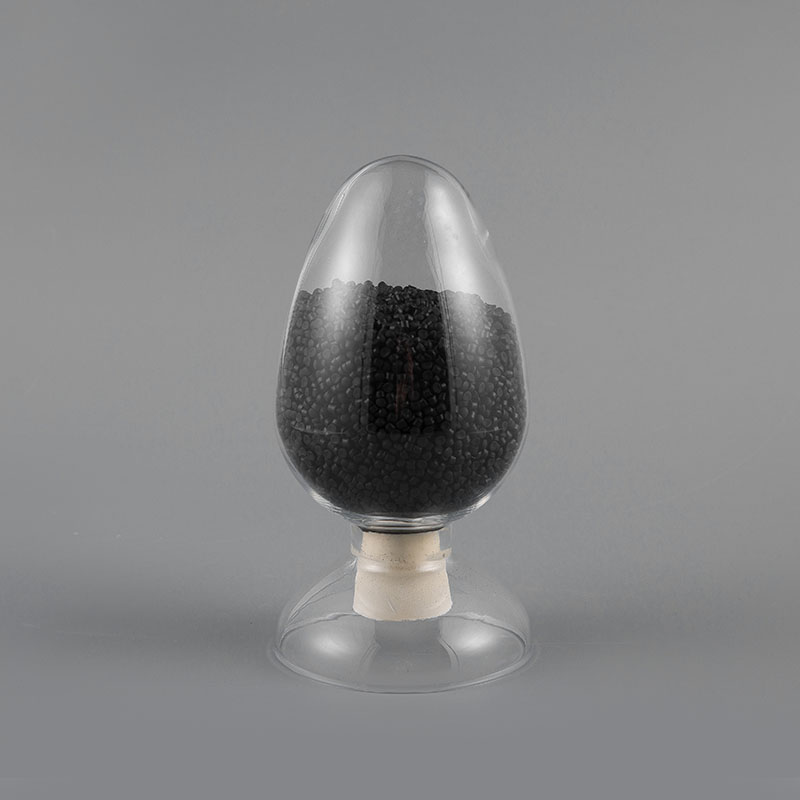
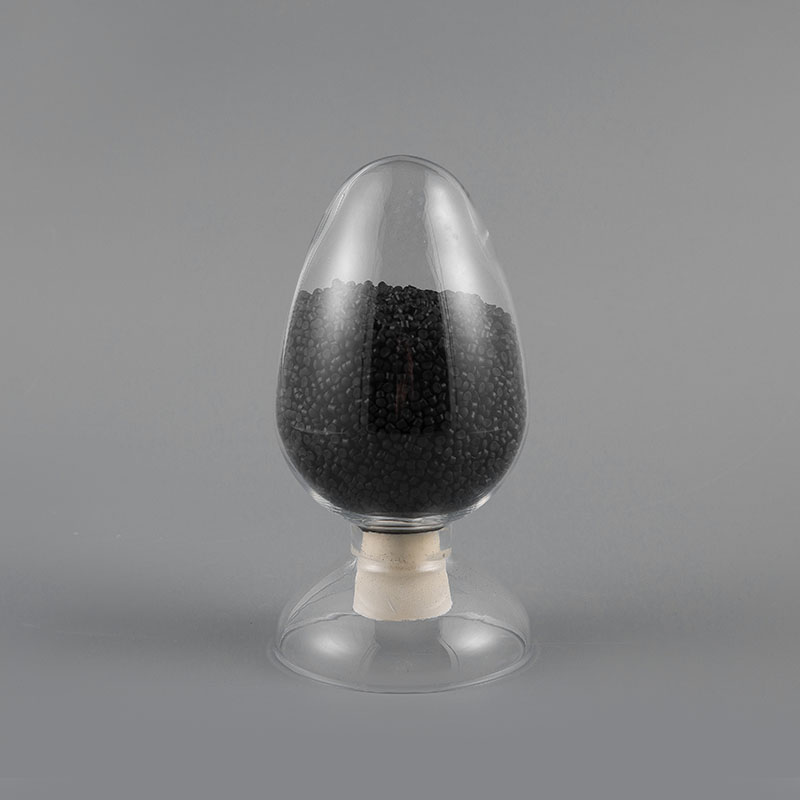 Wholesale ML-TH9001 Thermoplastic LSZH flame- retardant sheath material SupplierWe Are China Wholesale ML-TH9001 Thermoplastic LSZH flame- retardant sheath material Suppliers, Factory, Hangzhou Meilin New Materials Te...View Product →
A well-compounded LSZH pellet extrudes to a smooth surface at normal haul-off speeds. Persistent roughness with an in-spec compound points to processing conditions, not material quality.
Low Elongation and Brittle Sheaths
Low elongation at break, brittle cold-bend behavior, and sheath cracks after installation form the second failure cluster, and they trace back to weak adhesion between the hydrophilic filler and the non-polar polyolefin matrix.
Mineral hydroxide particles are polar; polyolefins are not. Without coupling agents such as silanes or maleic-grafted polyolefins, the interface fails early under bending and thermal cycling. The typical symptom is elongation at break below 120 percent on the finished cable, or brittle fracture during cold-bend testing. Thermal-oxidative aging makes the same defect worse over time, so low-temperature flexibility and long-term cable durability in oil, fuel, and weather exposure depend on the same interfacial quality.
Thermoplastic LSZH
Recyclable and fast-processing, with elongation typically between 150 and 250 percent. Suitable for general installation, communication, and control cables where the operating temperature stays below 90 degrees Celsius.
Silane crosslinked LSZH
After moisture cure, the network structure lifts heat resistance and improves mechanical strength and short-circuit capability. It is the preferred route for building wire and power cables with higher overload requirements.
If a molded plaque from the compound already fails below 120 percent elongation, no amount of line tuning will fix the finished cable; the material grade or crosslinking route must change.
Moisture Pickup and Crosslink Control
Moisture is the silent killer in LSZH production, because the same mineral fillers that provide flame retardancy are hygroscopic and pull water from the air quickly.
An open bag of LSZH left overnight in a humid workshop can gain 0.15 to 0.3 percent moisture, which is enough to produce splay, surface roughness, and screw slippage on a 70 mm line. With silane-crosslinkable LSZH, the danger doubles: residual moisture triggers premature crosslinking inside the barrel, while the intended cure step after extrusion still needs controlled moisture exposure.
- Keep unopened bags sealed and consume opened pellets within 24 hours
- Dry at 60 to 85 degrees Celsius for 3 hours before extrusion
- Do not overdry silane-crosslinkable grades; follow the exact supplier window
- Check moisture content with an analyzer when line speed matters
A silane-crosslinkable LSZH cable material with stable base polymer quality narrows the cure window and makes process control more forgiving.
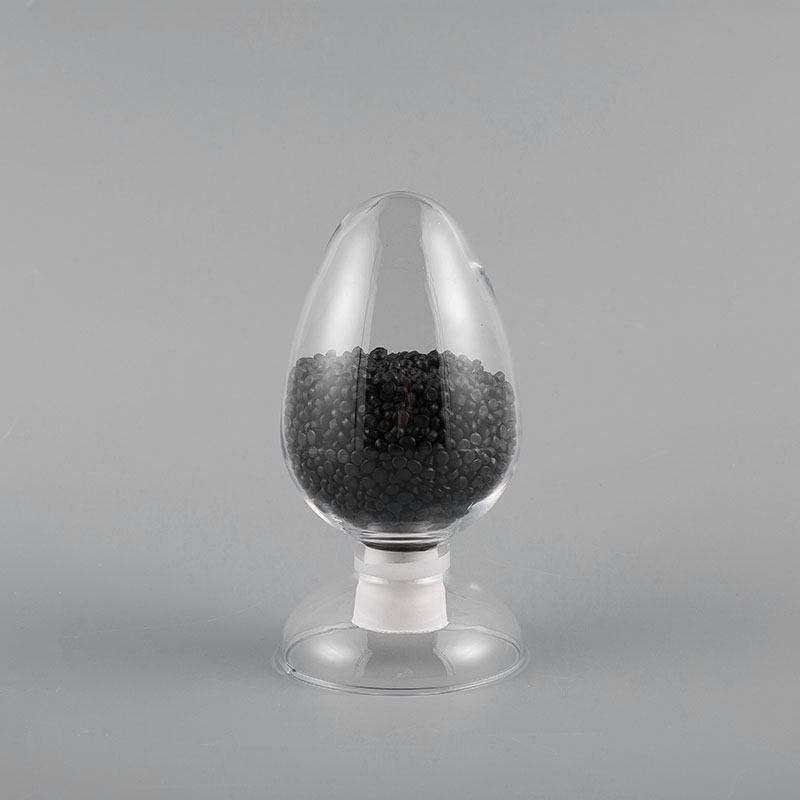
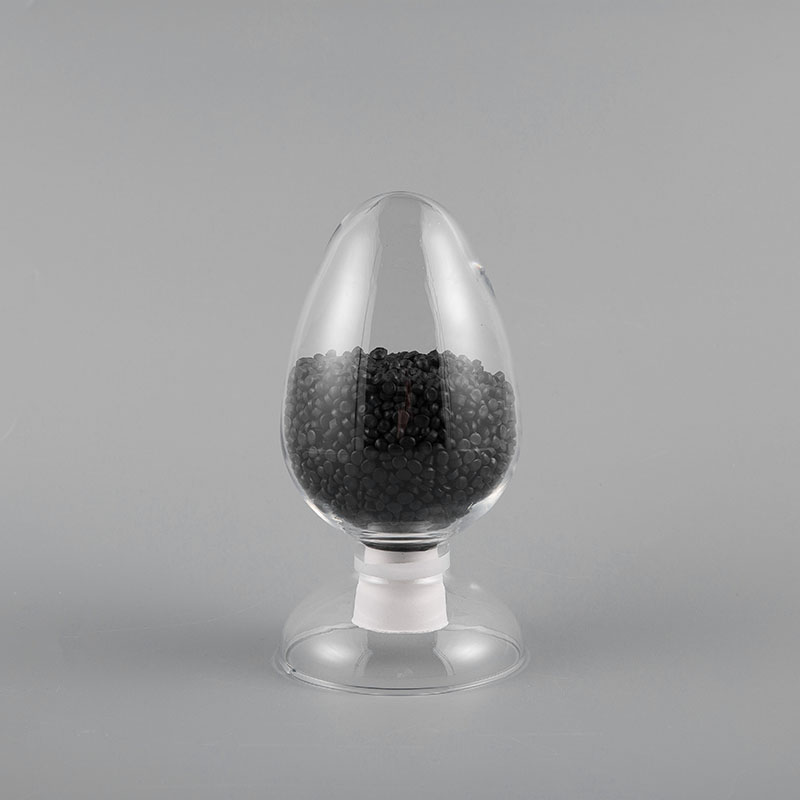
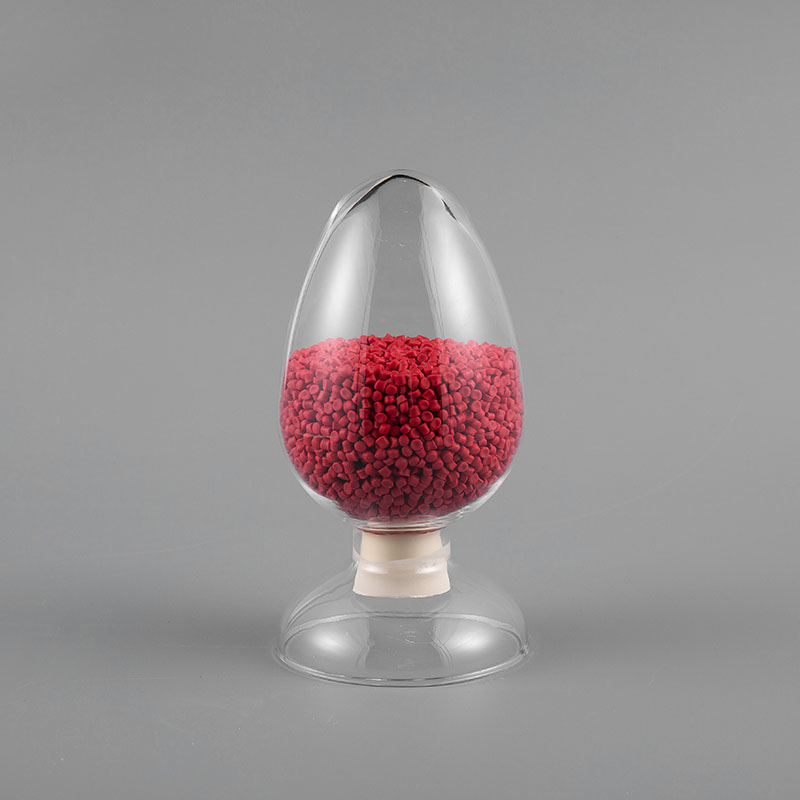 Wholesale ML-GJ1051 105℃ Silane crosslinkable LSZH Flame retardant Polyolefin CaWe Are China Wholesale ML-GJ1051 105℃ Silane crosslinkable LSZH Flame retardant Polyolefin Cable Material Suppliers, Factory, Hangzhou Me...View Product →
Target less than 0.1 percent moisture by weight at the extruder inlet for thermoplastic LSZH. Above that level, surface quality and fire-test results both deteriorate.
Fire Test Failures and Class Mismatch
When a cable lot fails the EN 50399 flame spread test or the smoke density test, the cause is usually a mismatch between the certified grade and the compound actually sitting in the hopper.
LSZH compounds are specified by fire class, from B1 and B2 down to C and Dca. Substituting a cheaper, lower-class grade, or accepting an uncertified look-alike lot, is the most common reason a finished cable loses its classification. Verified compound data includes limiting oxygen index, smoke density, pH, and conductivity of combustion gases, measured on the exact lot delivered.
| Observed Problem | Probable Cause | Corrective Action |
| Chalky surface and splay | Moisture above 0.1 percent | Dry at 60-85 degrees Celsius for 3-4 hours |
| Die deposit and drool | Filler plate-out at the die wall | Lower screw speed, raise die temperature |
| Low elongation | Weak filler-matrix bonding | Use a coupling-treated grade |
| Oxygen index below 28 | Filler content below certificate value | Verify the lot certificate and supplier test data |
| Smoke density too high | Poor filler dispersion | Audit the compounder's dispersion control |
Documented classification data is the only reliable basis for a B1 claim. A B1-grade LSZH sheath compound for power cables should arrive with test evidence for heat release, total smoke production, and flame spread rate.
Wholesale ML-H9001B1 Thermoplastic LSZH flame- retardant B1 grade sheath materiaWe Are China Wholesale ML-H9001B1 Thermoplastic LSZH flame- retardant B1 grade sheath material Suppliers, Factory, Hangzhou Meilin New Ma...View Product →A Five-Step Troubleshooting Workflow
Start with the compound lot certificate rather than the extruder, and most LSZH problems resolve within one working shift.
- Verify incoming lot data: filler content, moisture, melt flow rate, and the supplier's certified test report.
- Inspect the extruded surface and screw current pattern for signs of moisture or filler agglomeration.
- Audit drying conditions and the actual melt temperature against the supplier's recommended window.
- Mold test plaques and measure tensile strength, elongation at break, and cold-bend performance.
- Run the flame spread and smoke test on the finished cable before releasing the lot to stock.
Hangzhou Meilin New Materials Technology Co., Ltd. has compounded cable materials since 1994 and produces LSZH, PVC, XLPE, and specialty compounds across three plants with 31 automated production lines. The practical lesson from three decades of field support is simple: LSZH problems are preventable when compound data, processing conditions, and fire-test expectations are aligned before production starts.
Frequently Asked Questions
What moisture level is acceptable in LSZH compound before extrusion?
Below 0.1 percent by weight. Higher moisture causes splay, porosity, and reduced mechanical properties. Dry thermoplastic LSZH at 60 to 85 degrees Celsius for 3 to 4 hours in a dehumidified dryer before use.
Can LSZH run on a line previously used for PVC?
Yes, but only after a complete screw and barrel purge. PVC residues can contaminate LSZH and undermine flame-retardant performance. Dedicated halogen-free lines are the safest practice because the temperature profiles and screw designs differ.
Why does the LSZH sheath crack in cold weather?
Standard thermoplastic LSZH grades become brittle in the range of minus 25 degrees Celsius. For outdoor installations, use a cold-resistant or radiation-crosslinked grade and verify the low-temperature bend test on the finished cable.
How can I confirm a B1-rated LSZH grade will pass certification?
Request the compound supplier's certified test data covering heat release rate, total smoke production, and flame spread according to EN 50399. The classification belongs to a specific product and lot, so the certificate should match the delivered material.