
 English
 中文简体
中文简体 русский



Article Directory
- 1 [ 01 ]Electrical Insulation Comes First Underground
- 2 [ 02 ]Moisture Resistance Where Water Exposure Is Guaranteed
- 3 [ 03 ]What the Compound Actually Protects Against
- 4 [ 04 ]Mechanical Durability During Installation and Operation
- 5 [ 05 ]Medium vs High Voltage Requirements
- 6 [ 06 ]PE Compounds vs Traditional Cable Materials
- 7 Specification Checklist Before Sourcing a PE Compound
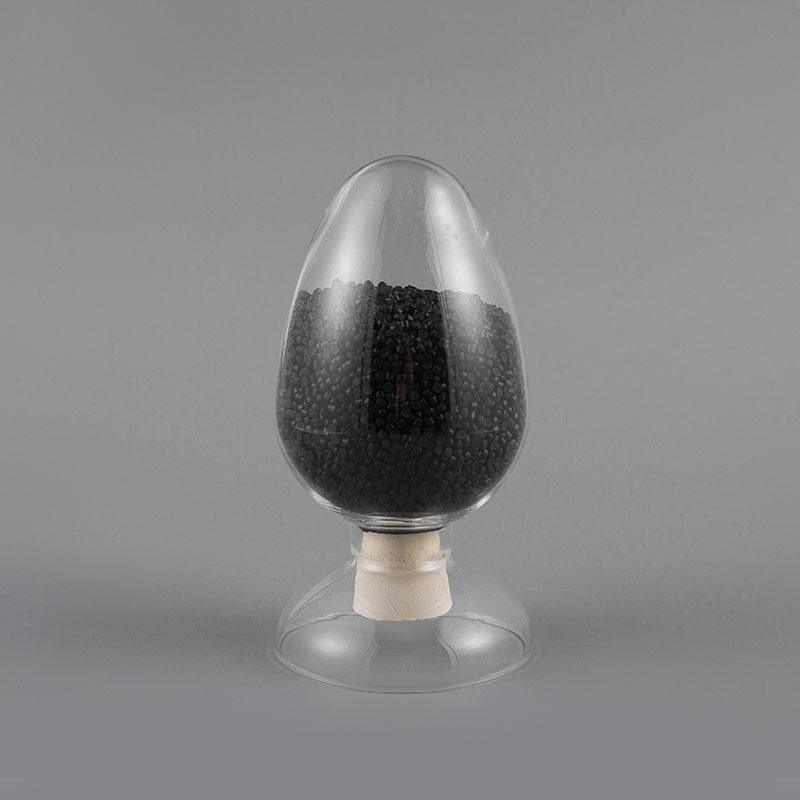
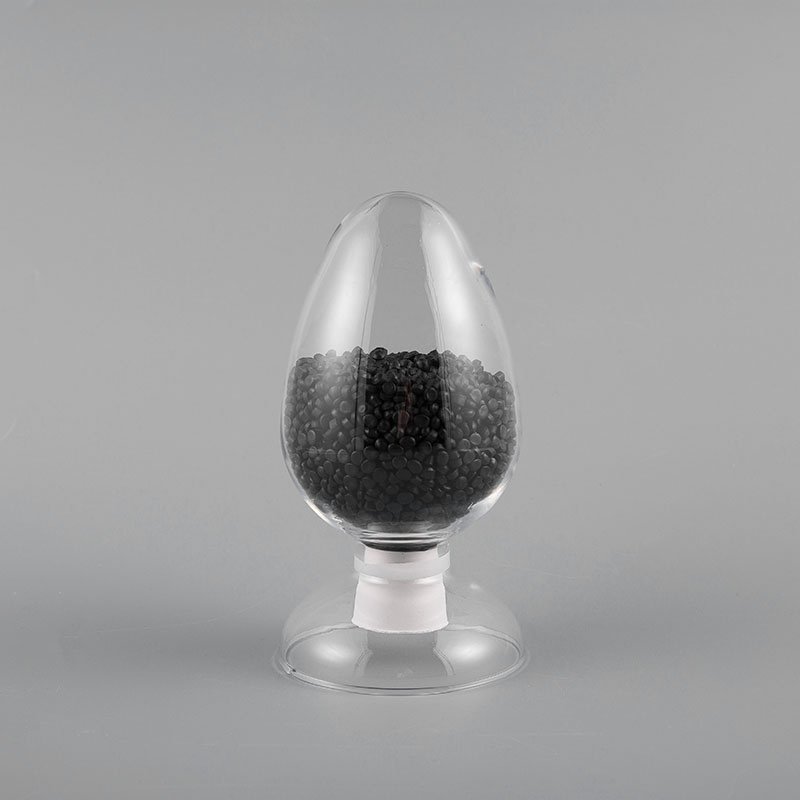
Underground installation removes the one advantage overhead cable has always had — open air. Everything a buried cable touches, from groundwater to soil pressure to backfill impact, has to be absorbed by the compound around the conductor instead. PE Compounds For Power Cables are built specifically to carry that load without giving up electrical performance.
[ 01 ]Electrical Insulation Comes First Underground
Continuous electrical stress is the baseline condition for any underground cable, and the insulation layer has to hold up to it for decades without degrading. PE compounds deliver high dielectric strength, low dielectric loss, and stable insulation resistance, which together reduce the risk of electrical leakage and insulation breakdown that would otherwise force a cable replacement long before its designed service life.
[ 02 ]Moisture Resistance Where Water Exposure Is Guaranteed
Groundwater, soil humidity, and rain infiltration aren't edge cases for a buried cable — they're the operating environment. Polyethylene's naturally low moisture absorption rate keeps water penetration and the insulation degradation it causes to a minimum, which is exactly why PE-based compounds dominate underground applications where a cable can't be pulled up for inspection without major excavation.
[ 03 ]What the Compound Actually Protects Against
[ 04 ]Mechanical Durability During Installation and Operation
Soil pressure, pulling forces during installation, and ground movement over decades of service all place mechanical demands on the compound that outlast the installation crew's involvement by years. Good tensile strength and impact resistance keep the cable structurally intact through backfilling and settling, while flexibility reduces handling damage when cables have to route through narrow or complex underground channels.
[ 05 ]Medium vs High Voltage Requirements
Urban power distribution, industrial facilities, and commercial buildings need reliable insulation, moisture resistance, and mechanical durability at moderate stress levels.
Power transmission networks, renewable energy infrastructure, and utility systems demand higher electrical performance and long-term insulation stability under greater stress.
[ 06 ]PE Compounds vs Traditional Cable Materials
| Electrical insulation | Excellent | Depends on material |
| Moisture resistance | High | Varies |
| Flexibility | High | Moderate |
| Long-term stability | Excellent | Application dependent |
Quality checkpoints: a PE Compounds For Power Cables specification worth sourcing controls dielectric strength and volume resistivity on the electrical side, tensile strength and elongation on the mechanical side, and heat resistance with aging performance on the thermal side — all three groups verified together, not just the one a project happens to be optimizing for.
Specification Checklist Before Sourcing a PE Compound
- Dielectric strength and volume resistivity data for the target voltage class
- Moisture absorption and long-term aging performance under buried conditions
- Tensile strength, elongation, and impact resistance for installation stress
- Supplier experience with underground and renewable-energy cable projects