
 English
 中文简体
中文简体 русский



Article Directory
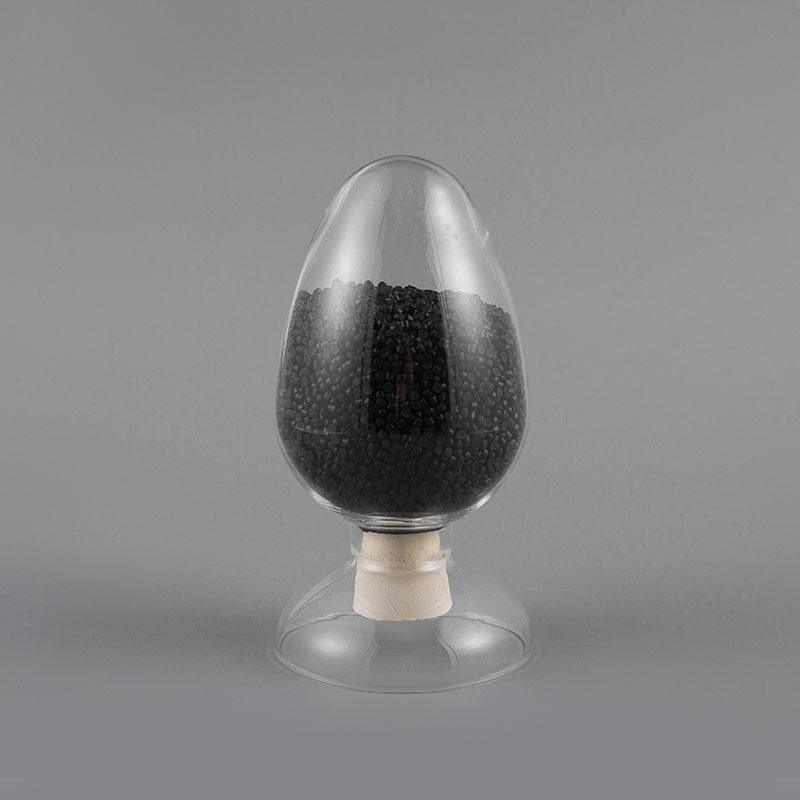
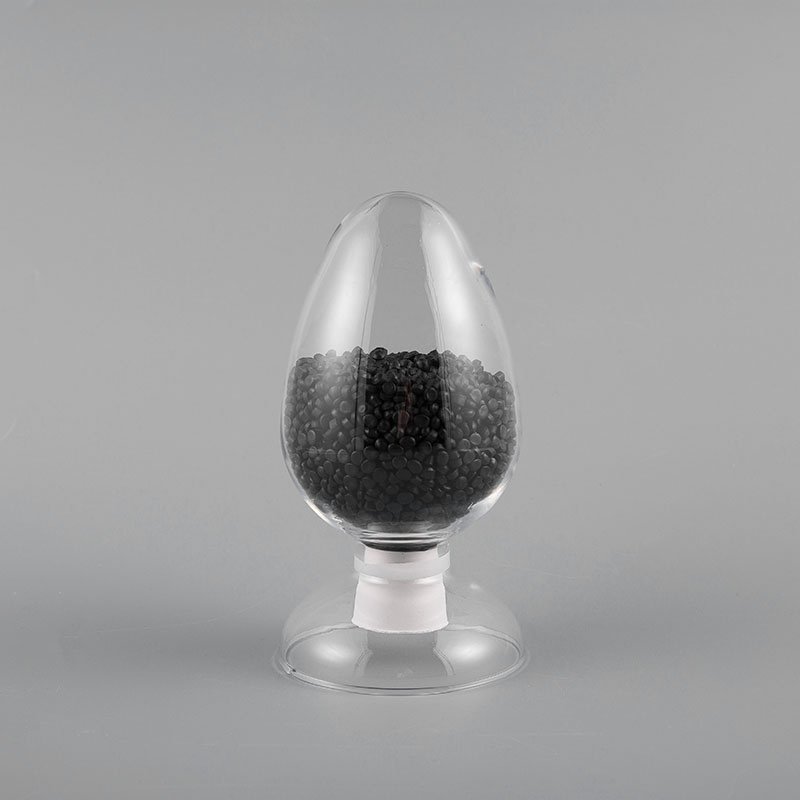
Semi-conductive compounds for power cables are polymer materials loaded with conductive carbon black and used inside medium- and high-voltage cables to control the electric field around the conductor and insulation. Without them, voltage stress concentrates unevenly and insulation breaks down far sooner than it should.
Simplified power cable cross-section, conductor to outer shield
What Semi-Conductive Compounds Actually Do
Semi-conductive compounds form two layers inside the cable: a conductor shield that creates a smooth transition from the metal conductor into the insulation, and an insulation shield that controls the field between the insulation and the metallic shielding outside it.
Conductor Shielding Layer
Surrounds the conductor to smooth the field transition into the insulation material.
Insulation Shielding Layer
Sits between insulation and metallic shield to control external field stress.
Where These Compounds Are Used
Medium voltage cables for distribution networks and industrial power systems
High voltage cables for transmission systems and substation connections
Underground transmission networks in urban power grid infrastructure
Renewable energy systems including solar farms and wind power projects
How Semi-Conductive Compounds Are Manufactured
Raw material mixing — polymer, carbon black, and additives are blended to a stable formulation
Melt compounding — high-shear extrusion disperses the conductive filler evenly
Pelletizing — the compound is formed into uniform, easy-processing pellets
Quality testing — resistivity, dispersion, and mechanical properties are verified
Choosing a Semi-Conductive Compound
Matching a semi-conductive compound to a cable design depends on voltage class, electrical performance targets, and how the material behaves on the extrusion line.
| Selection Factor | What to Evaluate |
| Voltage class | Conductivity range needed for MV versus HV cable designs |
| Electrical properties | Volume resistivity and shielding stability |
| Processing fit | Extrusion temperature and base insulation compatibility |
| Long-term reliability | Thermal stability and resistance to aging |
Where It Fits Among Cable Materials
Semi-conductive compound handles electric field control and shielding, while XLPE and PE compounds provide the insulation itself and PVC compound covers insulation and outer sheathing. Together these materials form the layered structure that keeps a power cable safe under continuous electrical stress.