
 English
 中文简体
中文简体 русский



An LSZH jacket that looks flawless on the spool can still fail a tensile test at the cable maker's line, or develop surface bubbles that no die adjustment seems to fix. The cause is rarely the extruder. It sits further upstream, in the compound formulation and the production process that turn raw powders into pellets.
Conclusion first: fire performance, mechanical properties, and processability of an LSZH compound are decided at the formulation bench and the compounding line, not at the cable extruder. If you are selecting or sourcing LSZH materials, understanding these steps helps you set realistic extrusion windows, interpret incoming inspection results, and judge whether a supplier can deliver consistent batches.
LSZH stands for low smoke, zero halogen. These compounds are polyolefin-based and free of chlorine, bromine, and other halogens. When a cable burns, they emit little smoke and no corrosive halogen gases, which protects people and equipment in tunnels, buildings, ships, and data centers. That safety comes with a trade-off: the formulation is more sensitive to processing conditions than PVC, and small variations in filler quality, moisture, or mixing can directly degrade mechanical performance.
Why the Process Matters as Much as the Recipe
A data sheet tells you what an LSZH compound should deliver, but it does not tell you how the batch was made. Two batches with the same density and the same limiting oxygen index can still behave differently on the extruder if one was compounded with poor filler dispersion or absorbed moisture during packaging. The recipe and the process are two halves of one system, and the final cable performance depends on both.
This is why experienced cable makers look beyond the grade name. They ask about the type of compounding line, the melt temperature profile, the drying procedure, and the quality control tests behind each lot. In the sections below we walk through the main components of an LSZH formulation, the production sequence, and the process variables that determine batch-to-batch consistency.
Core Components of an LSZH Formulation
Base Polymer System
Most LSZH formulations start with ethylene-vinyl acetate (EVA) with a vinyl acetate content between 15 and 28 percent, combined with low-density or linear low-density polyethylene. EVA provides flexibility and polarity, which helps the matrix accept the very high filler loadings required for flame retardancy. Polyolefin elastomers are sometimes added to improve low-temperature flexibility, which matters for cold-resistant cable grades used in outdoor or energy storage applications.
Flame-Retardant Fillers
The fire performance of an LSZH compound depends mainly on inorganic hydroxide fillers. Aluminium trihydroxide (ATH) decomposes endothermically at roughly 200-220°C, releasing water vapor that dilutes flammable gases. Magnesium dihydroxide (MDH) decomposes above 330°C, which makes it useful for higher-temperature and crosslinked grades. Total filler loading typically reaches 50-65 percent by weight, so filler selection has a major impact on processing and final properties.
| Property | ATH (Aluminium Trihydroxide) | MDH (Magnesium Dihydroxide) |
|---|---|---|
| Typical decomposition range | 200-220°C | 330°C and above |
| Processing temperature limit | Lower; keeps the melt below roughly 220°C | Higher; allows melts above 220°C |
| Typical use | 90-105°C thermoplastic grades | 125-150°C and crosslinked grades |
| Cost | Lower | Higher |
Functional Additives
Coupling agents, usually silanes or maleated polyolefins, bond the filler surface to the polymer matrix and protect elongation at break. Antioxidants and metal deactivators protect the material during heat aging. Lubricants lower viscosity and improve surface quality during extrusion. For crosslinkable LSZH grades, a silane crosslinking system or an irradiation-sensitizing package is added instead.
Formulation Design: What the Trade-offs Really Mean
Raising filler loading improves limiting oxygen index and reduces smoke generation, but it also reduces tensile strength, elongation, and flexibility. This is the central trade-off of any LSZH formulation. A well-designed grade keeps the flame-retardant performance at the level required by the standard while preserving enough elongation for reliable cable installation and flexing.
Temperature rating is the second major dimension. A 90°C grade, a 105°C grade, a 125°C grade, and a 150°C grade each use different polymer ratios, filler choices, and antioxidant systems. A compound rated for 125°C, for example, uses MDH or a mixed filler system and a higher-temperature stabilizer package. The same application logic applies to the difference between insulation and sheath compounds: insulation grades emphasize volume resistivity and dielectric strength, while sheath grades emphasize abrasion resistance, oil resistance, and flexibility under mechanical stress.
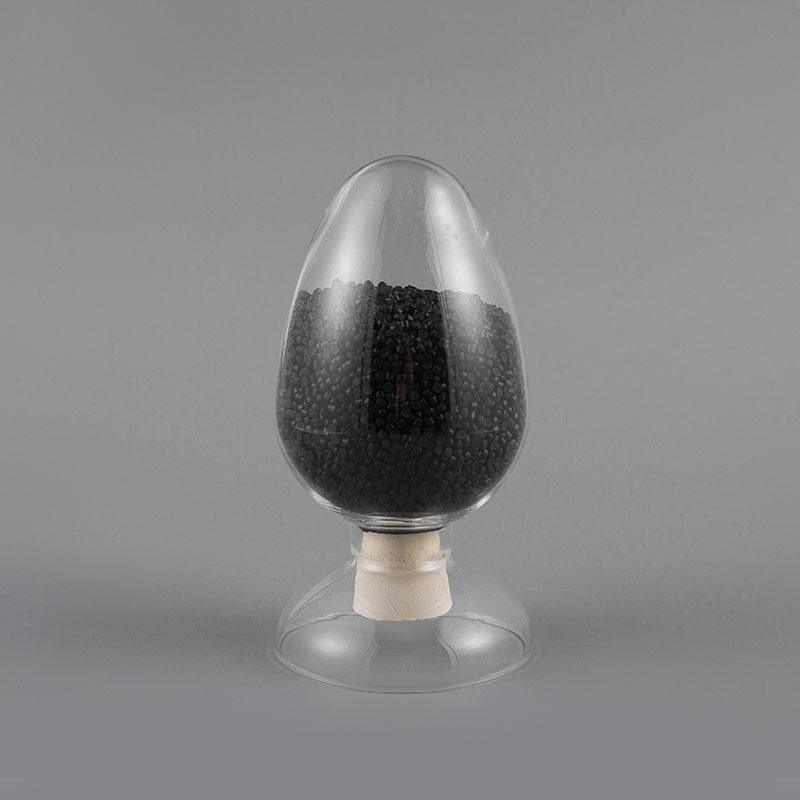
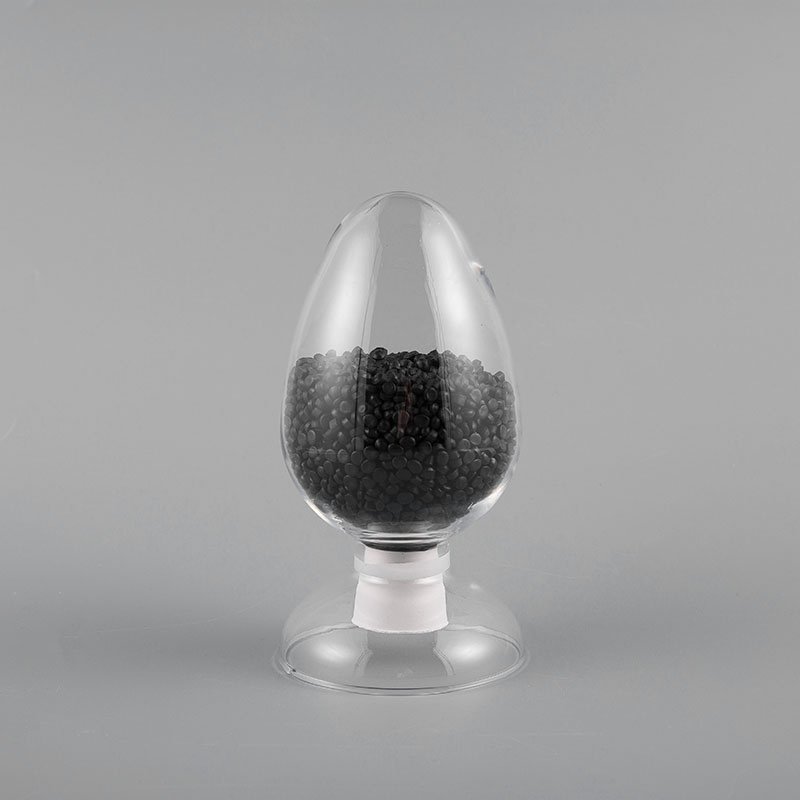
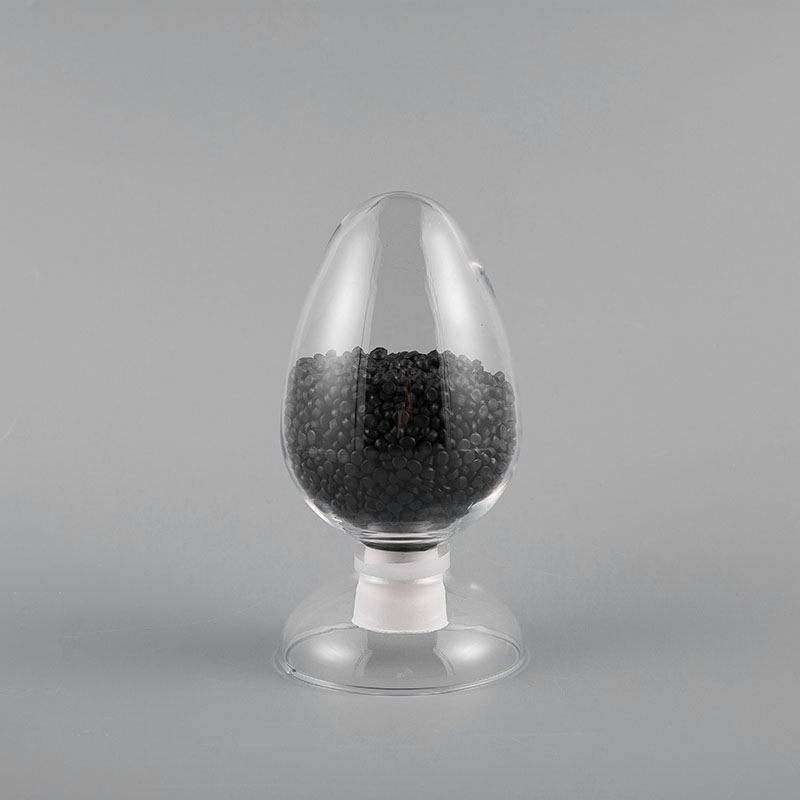
Thermoplastic LSZH is the most common type, and it is stable in storage and easy to recycle. A typical product such as a thermoplastic LSZH flame-retardant sheath compound is processed directly on conventional single-screw extruders. For applications that demand high temperature resistance, oil resistance, and resistance to deformation under heat, crosslinked versions are preferred. An irradiation-crosslinked LSZH insulation material, for instance, retains its shape and dielectric properties after prolonged exposure to elevated temperature, which is why crosslinked LSZH is common in automotive and building wire applications.
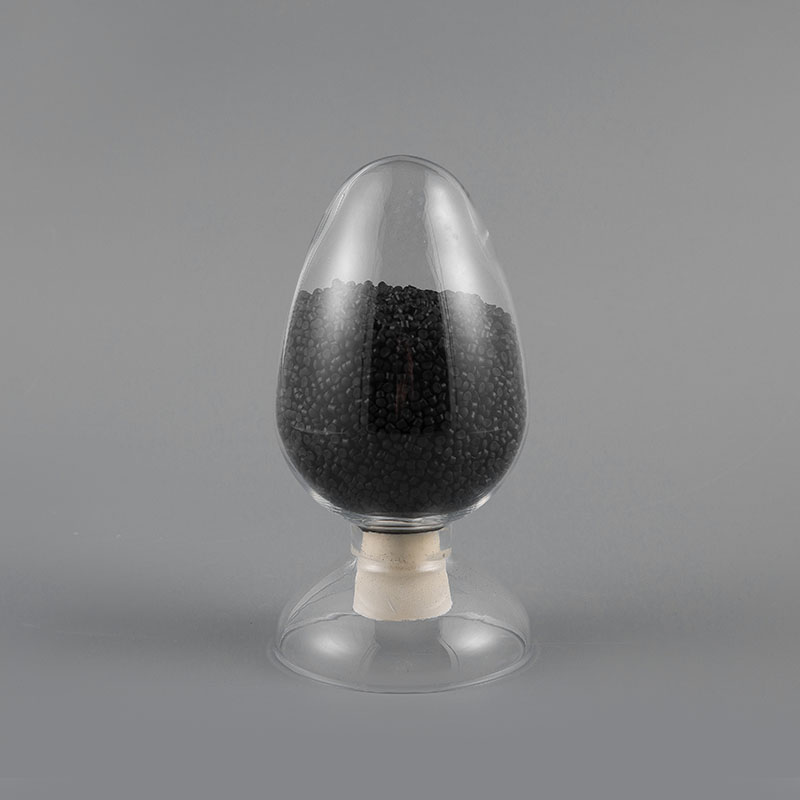 Wholesale ML-FJ1051 105℃ Irradiation cross- linked LSZH flame-retardant insulatiWe Are China Wholesale ML-FJ1051 105℃ Irradiation cross- linked LSZH flame-retardant insulation material Suppliers, Factory, Hangzhou Mei...View Product →Wholesale ML-TH9001 Thermoplastic LSZH flame- retardant sheath material SupplierWe Are China Wholesale ML-TH9001 Thermoplastic LSZH flame- retardant sheath material Suppliers, Factory, Hangzhou Meilin New Materials Te...View Product →
The LSZH Production Process Step by Step
Production of LSZH compound follows the same general route used for most filled polyolefin compounds, but the high filler loading and the sensitivity of inorganic fillers make each step critical.
Raw Material Inspection and Drying
Incoming fillers are checked for particle size distribution, purity, and moisture content. ATH particles of 1-2 micrometres disperse more evenly and produce better mechanical properties than coarser grades. Because ATH absorbs moisture from the air, silos and packaging must be protected, and drying is often required before mixing.
Premixing and Coupling
Polymers, fillers, and additives are weighed and blended in a high-speed mixer. This is the stage where coupling agents are typically added, coating the filler surface with a thin silane or maleated layer. Mixing time and discharge temperature influence how evenly the coupling agent is distributed, and poor premixing can cause agglomerated filler particles that survive into the final pellet.
Compounding and Pelletizing
The premix is melted and homogenized in a co-rotating twin-screw extruder, then cooled and cut into pellets. The melt temperature must stay above the plasticization point of the polymer but well below the decomposition temperature of the filler; for ATH-based systems, a melt temperature above roughly 220°C starts to generate micro-voids and surface roughness that later show up as poor elongation. The relationship between compounding parameters and final cable behavior is examined in more detail in our article on how filler dispersion affects extruded LSZH integrity.
After pelletizing, the pellets are dried and packaged immediately. Moisture absorbed into pellets causes bubbles and voids during cable extrusion, especially in insulation applications where the wall is thin and the dielectric requirements are strict.
Batch Tracking
Each batch is labeled with grade, production date, and lot number so that results from the quality control lab can be traced back to specific raw material lots and process conditions. This traceability is essential when a customer reports a property deviation that has to be investigated.
Critical Process Variables on the Compounding Line
Four variables deserve special attention because they explain most LSZH quality problems.
- Melt temperature. Staying within the processing window, usually 150-200°C for ATH-filled EVA systems, preserves both mechanical properties and surface quality. Overheating decomposes the filler and releases water vapor inside the melt.
- Shear and screw design. High shear helps disperse fillers but also raises melt temperature. Screw elements and speed must be matched to the formulation; overly aggressive mixing can degrade the polymer.
- Moisture control. Both raw fillers and finished pellets pick up moisture easily. Storage conditions, drying temperature, and packaging all affect the final product.
- Crosslinking activation. Silane-crosslinkable LSZH compounds must not crosslink prematurely during compounding. Temperature and the timing of the silane addition are controlled so that crosslinking starts only at the cable maker's extrusion line.
Cable makers also see the effects of these variables on their own lines. The same compound can behave differently in a single-screw extruder with a barrier screw versus a low-compression screw. Practical experience with temperature profiles and screw speeds is documented in our review of common LSZH extrusion challenges in communication cables.
Quality Control: Tests That Matter
Reputable LSZH manufacturers test every batch for a defined set of properties before releasing it. The table below lists the tests that cable makers should expect on a typical data sheet and what each test reveals.
| Test | What It Verifies | Typical Target (Guide) |
|---|---|---|
| Tensile strength | Mechanical integrity of the jacket or insulation | Min. 9 MPa before and after aging |
| Elongation at break | Flexibility and resistance to cracking during installation | Min. 125-150%, depending on grade |
| Limiting oxygen index | Relative flame retardancy of the compound | 28-32% or higher, depending on grade |
| Density | Consistency of filler loading between batches | Within tight specification limits |
| Heat aging | Retained properties after long-term thermal exposure | Low change after 7-10 days at rated temperature |
Fire-related tests are just as important as mechanical ones. Limiting oxygen index is the basic screening tool, but it does not describe the behavior of a burning cable in a real fire. Smoke density, smoke toxicity, and corrosivity of combustion gases determine whether a cable can be used in a tunnel, a hospital, or a data center. We have described how to quantify smoke toxicity and corrosivity of LSZH compounds in a separate guide.
For cable makers targeting specific markets, the compound must also meet the relevant standard. Building wire applications increasingly require a reaction-to-fire classification such as B1, B2, or C. A B1-grade LSZH flame-retardant sheath compound is formulated and tested against such a classification, so the compound grade and the cable design must be aligned from the start.
Wholesale ML-H9001B1 Thermoplastic LSZH flame- retardant B1 grade sheath materiaWe Are China Wholesale ML-H9001B1 Thermoplastic LSZH flame- retardant B1 grade sheath material Suppliers, Factory, Hangzhou Meilin New Ma...View Product →What This Means for Compound Sourcing
When you evaluate an LSZH supplier, ask about more than the data sheet. Ask about raw material control, compounding line configuration, dwell time at high temperature, moisture handling, and batch-to-batch consistency. A supplier that has integrated these variables into its production process is far more likely to ship a compound that runs smoothly on your line and passes cable type tests at the first attempt.
Meilin, for example, operates 31 automated production lines across three plants and maintains its own laboratory testing equipment, which is exactly the kind of infrastructure needed to control filler quality, moisture, and batch consistency. Thirty years of experience in cable materials also shows up in the breadth of the grade portfolio: thermoplastic and crosslinked LSZH, B1/B2/C classes, temperature ratings from 90°C to 150°C, and dedicated insulation, sheath, and inner sheath variants.
The same logic applies in reverse: if your cable has failed a fire test or a heat aging test, the cause can often be traced back to the formulation and the process, not to the extruder settings. When the formulation and production process are controlled, the compound is stable, the extrusion output is predictable, and the finished cable performs as designed.