
 English
 中文简体
中文简体 русский



Article Directory
- 1 What Are LSZH Compounds Used for in Power Cable Insulation?
- 2 Why LSZH Compounds Are Required for Fire Safety in Cable Systems
- 3 LSZH Compounds vs PVC Compounds for Power Cables
- 4 LSZH Compounds in High-Voltage Power Cable Systems
- 5 Durability and Heat Resistance of LSZH Compounds in Cable Service
- 6 Frequently Asked Questions
When a cable fire ignites in a tunnel, data center, or high-rise building, the material surrounding the conductors determines whether occupants can evacuate safely or are overcome by toxic, opaque smoke. LSZH compounds for power cables exist to resolve exactly that risk — delivering halogen-free insulation and sheathing that suppresses flame spread, minimizes smoke density, and eliminates the emission of corrosive hydrogen chloride gas that makes conventional PVC cable fires so lethal.
What Are LSZH Compounds Used for in Power Cable Insulation?
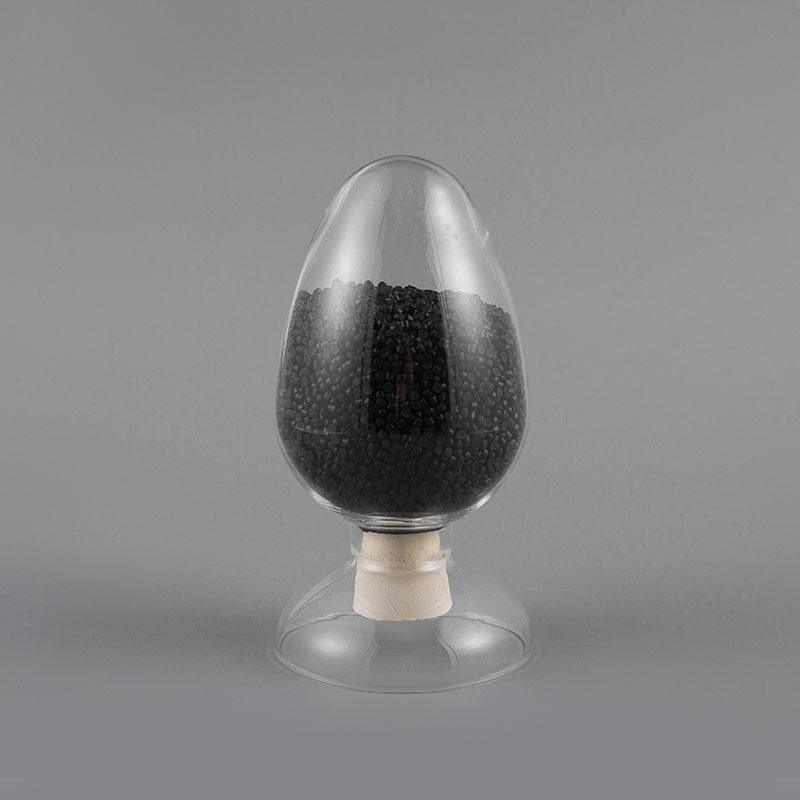
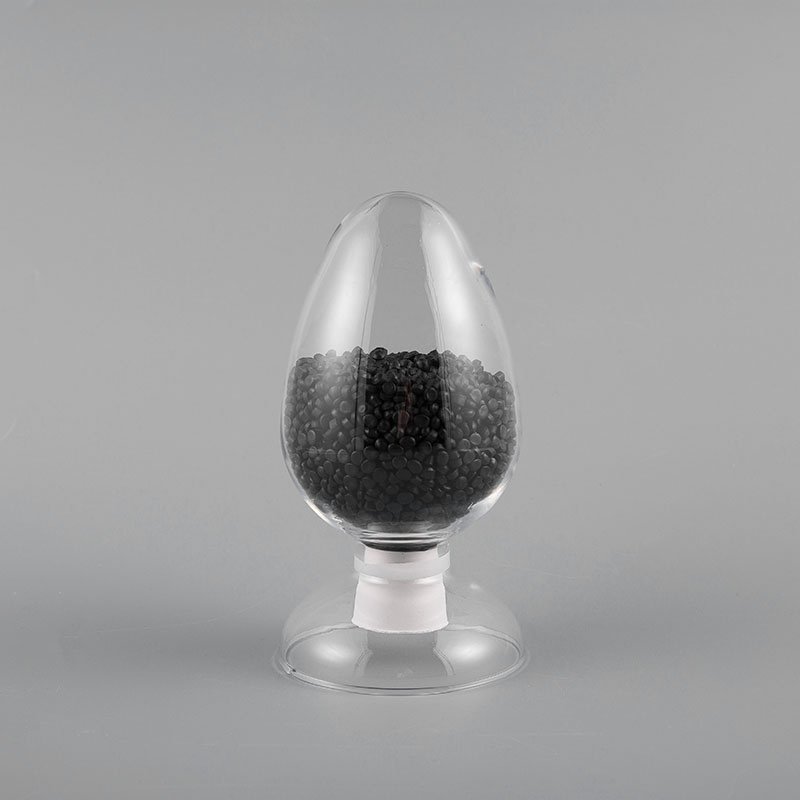
LSZH compounds for power cables — Low Smoke Zero Halogen, also designated LS0H or LSOH — are thermoplastic or cross-linked polymer formulations used as the primary insulation layer over conductors and as the outer sheath protecting the cable assembly. Their defining characteristic is the complete absence of chlorine, bromine, fluorine, and other halogens that generate toxic acid gases when burned.
In power cable applications, LSZH materials serve three simultaneous engineering roles: electrical insulation to maintain dielectric integrity between conductor and earth, mechanical protection against abrasion and installation stress, and passive fire safety through flame retardancy and smoke suppression. No single conventional thermoplastic — including PVC, XLPE, or EPR — fulfills all three roles with the fire-safety performance profile that LSZH achieves.
LSZH cable compound is a halogen-free polymer matrix — typically based on polyolefin, ethylene vinyl acetate (EVA), or cross-linked polyethylene (XLPE) blended with inorganic flame retardants such as aluminium trihydrate (ATH) or magnesium hydroxide — formulated to meet IEC 60332, IEC 60754, and IEC 61034 standards for flame propagation, acid gas emission, and smoke density respectively.
Why LSZH Compounds Are Required for Fire Safety in Cable Systems
LSZH compounds are mandated by fire safety regulations in enclosed, high-occupancy, and critical infrastructure environments because conventional halogenated cable materials produce combustion byproducts that are more lethal than the fire itself. When PVC cable burns, it releases hydrogen chloride (HCl) gas at concentrations that are immediately dangerous to life and health (IDLH) at 50 parts per million — a threshold reached within minutes in an enclosed space fire.
LSZH Compounds vs PVC Compounds for Power Cables
The performance difference between LSZH compounds for power cables and PVC compounds is quantifiable across every fire-relevant parameter. PVC retains cost and flexibility advantages in open, well-ventilated industrial environments; LSZH is the mandatory choice wherever human safety or equipment continuity during a fire event is the design priority.
| Property | LSZH Compound | PVC Compound | Test Standard |
| Halogen content | Less than 0.5% | 28 - 35% (chlorine) | IEC 60754-1 |
| Smoke optical density | Less than 60% (minimum light transmission above 60%) | Below 20% light transmission | IEC 61034-2 |
| Acid gas emission (HCl) | Less than 0.5% HCl equivalent | 18 - 22% HCl by weight | IEC 60754-2 |
| Max continuous operating temp | 90°C (105°C for high-temp grades) | 70°C standard / 90°C HR grade | IEC 60811-1 |
| Flame propagation (vertical) | Self-extinguishing — passes IEC 60332-1 | Passes with flame retardant additives | IEC 60332-1 |
| Cold bend performance | Passes at -15°C to -40°C by grade | Passes at -15°C standard | IEC 60811-504 |
LSZH Compounds in High-Voltage Power Cable Systems
LSZH compounds for power cables are fully engineered for deployment in medium-voltage (MV) and high-voltage (HV) cable systems operating from 6 kV up to 500 kV when formulated as cross-linked LSZH (XLPE-LSZH) sheath compounds. The cross-linking process — achieved through peroxide or silane cross-linking — substantially elevates the thermal, mechanical, and dielectric performance of the base LSZH polymer beyond what standard thermoplastic grades achieve.
Standard thermoplastic LSZH insulation and sheathing. Applied in building wiring, tray cable, and instrumentation circuits. Widest range of LSZH compound grades and processing options.
XLPE-LSZH inner insulation with semiconductive screen layers. Used in underground distribution, industrial plant feeders, and rail traction supply cables to IEC 60502-2.
Cross-linked LSZH outer sheath over XLPE insulation. Applied in transmission grid interconnects, offshore wind export cables, and subsea power links requiring both HV dielectric integrity and LSZH fire performance at the sheath layer.
Durability and Heat Resistance of LSZH Compounds in Cable Service
The long-term mechanical and thermal durability of LSZH compounds for power cables has historically been cited as a limitation versus PVC in demanding installation environments. Cross-linked LSZH formulations developed since 2010 have closed this gap substantially, achieving 30-year design service life under IEC 60216 thermal ageing protocols that align with modern transmission cable design standards.
Key durability parameters for specifying engineers include elongation at break retention above 50% after 7-day thermal ageing at 135°C (IEC 60811-401), tensile strength retention above 70% after UV weathering exposure of 1,000 hours, and oil resistance performance for cables installed in industrial environments containing hydraulic fluid or transformer oil. Grade selection across these parameters allows LSZH compounds for power cables to be matched precisely to the environmental severity of any installation application.
Frequently Asked Questions
What standards govern LSZH compounds for power cables?
The principal international standards governing LSZH compounds for power cables are IEC 60754-1 and IEC 60754-2 for halogen content and acid gas corrosivity, IEC 61034-2 for smoke density measurement, IEC 60332-1 and IEC 60332-3 for single-cable and bundled-cable flame propagation, and IEC 60811 series for mechanical and thermal compound properties. Regional standards including EN 50525 in Europe and UL 44 in North America reference these IEC frameworks with additional jurisdiction-specific requirements.
Are LSZH compounds more expensive than PVC for cable applications?
LSZH compound raw material costs are typically 30 to 60% higher than equivalent-grade PVC compound on a per-kilogram basis, primarily because inorganic flame retardants such as aluminium trihydrate (ATH) and magnesium hydroxide require high loading levels — often 50 to 65% by weight — to achieve the required fire performance. However, total installed cost calculations for compliant cable systems in regulated environments must account for the cost of regulatory non-compliance, insurance liability exposure, and system replacement following a fire event, which consistently favour the lifecycle economics of LSZH cable specification.
Can LSZH compounds be processed on standard PVC extrusion equipment?
LSZH compounds for power cables can be processed on conventional single-screw extruders with modifications to screw compression ratio, barrel temperature profile, and die design. LSZH compounds are more viscous than PVC at equivalent processing temperatures and require precise temperature control to avoid premature cross-linker activation in XLPE-LSZH grades. Most cable manufacturers processing LSZH for the first time commission a compound-specific process audit from the material supplier before production scale-up.
What is the difference between LSZH and LSOH or LS0H designations?
LSZH (Low Smoke Zero Halogen), LSOH, LS0H, and OHLS (Zero Halogen Low Smoke) are all industry designations referring to the same material performance category — halogen-free polymer compounds with low smoke emission under combustion. The variation in abbreviation reflects different regional and industry conventions rather than any difference in material specification or test standard compliance. IEC documentation uses the term halogen-free flame retardant (HFFR) as the preferred technical designation for the same compound category.