
 English
 中文简体
中文简体 русский



Article Directory
A power cable insulation failure is rarely about the conductor — it is almost always about the insulation compound breaking down under heat, moisture, or electrical stress over years of service. Peroxide XLPE compounds are formulated specifically to resist that breakdown across decades of continuous operation.
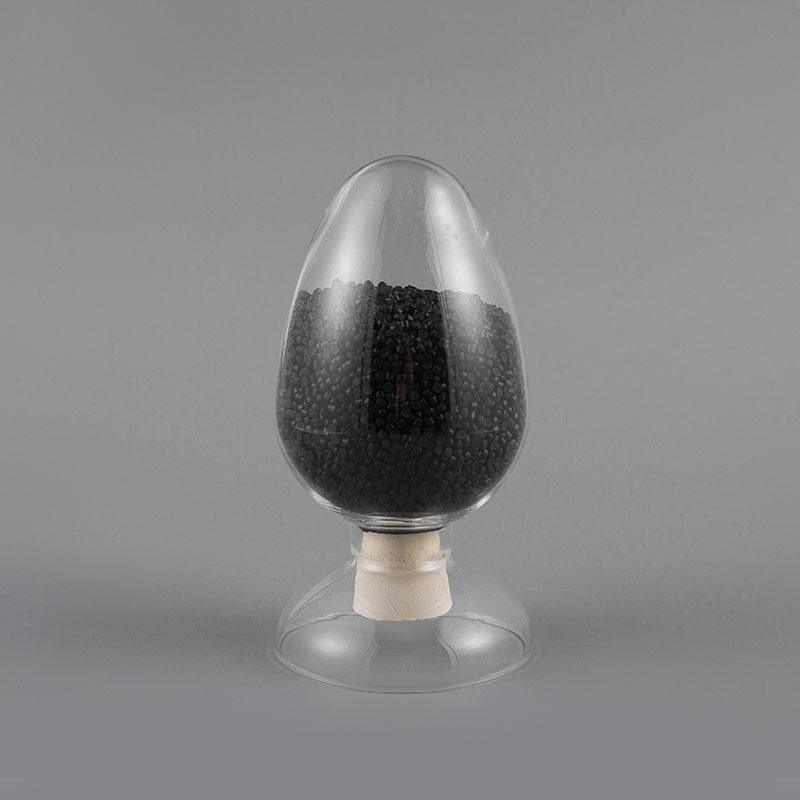
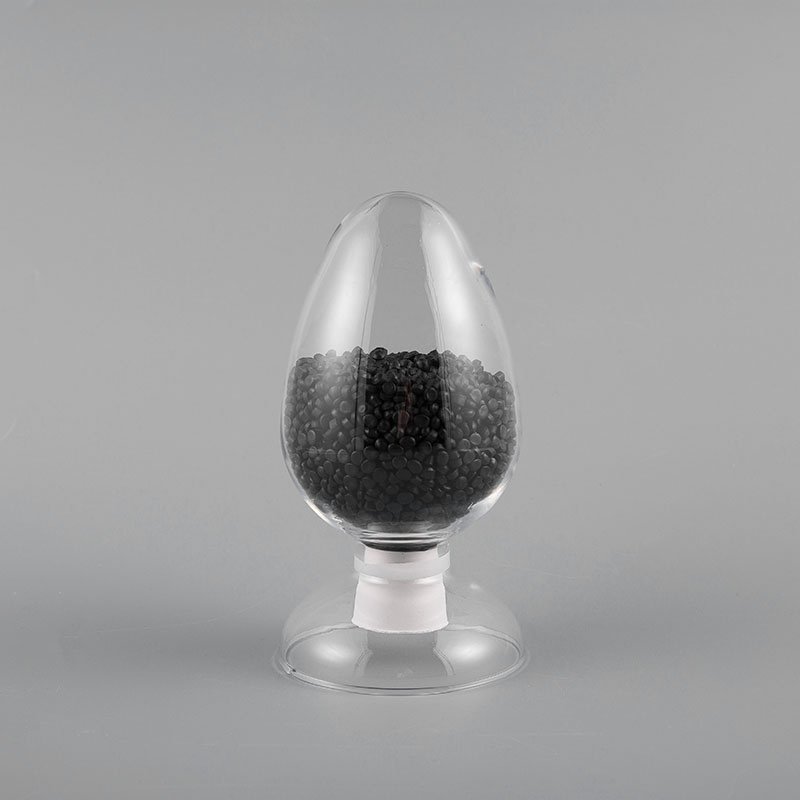
What Peroxide XLPE Compounds Are
Definition: a peroxide XLPE compound is a polyethylene-based insulation material crosslinked using an organic peroxide during extrusion, forming a thermoset molecular structure that resists melting, deformation, and electrical breakdown at operating temperatures up to 90°C continuous and 250°C short-circuit.
The crosslinking reaction is what separates peroxide XLPE compounds from standard polyethylene. Once crosslinked, the polymer chains form a three-dimensional network that will not re-melt, giving the finished cable far greater thermal and mechanical stability than uncrosslinked PE insulation.
Properties That Matter for Cable Performance
Four measurable properties define whether a compound is suitable for medium or high voltage cable production:
- High dielectric strength that limits electrical stress across the insulation wall
- Thermal stability that prevents deformation under continuous and fault-current loads
- Mechanical strength sufficient for cable pulling, bending, and installation stress
- Resistance to moisture ingress and long-term chemical exposure in buried or submerged runs
How the Compound Becomes Cable Insulation
Producing finished insulation from raw peroxide XLPE compounds follows a fixed sequence of processing stages:
Resin selection and formulation
Peroxide mixing and compounding
Extrusion onto the conductor
Continuous vulcanization crosslinking
Quality and electrical testing
XLPE vs Other Insulation Materials
Peroxide XLPE
- Higher continuous operating temperature
- Will not re-melt after crosslinking
- Standard choice for MV and HV cables
- Higher processing complexity
PVC Insulation
- Lower continuous operating temperature
- Softens under sustained heat
- Common in low voltage applications
- Simpler, lower-cost processing
For medium and high voltage transmission, the higher thermal ceiling and long-term dielectric stability of peroxide XLPE compounds outweigh their added processing complexity, which is why XLPE has replaced PVC and PE as the standard insulation for underground and high voltage power cables.
Frequently Asked Questions
What voltage range are peroxide XLPE compounds used for?
They cover medium voltage cables through high and extra high voltage transmission cables, with formulation adjusted to the required dielectric strength at each voltage class.
Why is peroxide used instead of other crosslinking methods?
Peroxide crosslinking produces a stable, uniform thermoset network during continuous vulcanization, giving reliable electrical and thermal performance suited to high voltage cable production.
How long does XLPE insulation typically last in service?
Properly formulated and installed XLPE insulation is generally rated for 30 to 40 years of continuous service in power transmission applications.
Can peroxide XLPE compounds be customized for specific cable projects?
Yes, formulations are commonly adjusted for target voltage class, thermal rating, and mechanical requirements to match a specific cable manufacturer's production line.