
 English
 中文简体
中文简体 русский


Article Directory
- 1 Why insulation material decides cable performance01
- 2 Key differences at a glance02
- 3 Electrical and thermal performance compared03
- 4 Mechanical and environmental performance04
- 5 Where each material is commonly used05
- 6 Choosing between XLPE and PVC06
- 7 What manufacturers should evaluate before switching compounds07
Cable manufacturers choosing an insulation compound are really choosing between two different performance profiles: Silane XLPE compounds for power cables, built through cross-linking technology for higher thermal and electrical performance, and PVC cable insulation materials, valued for low cost and easy processing. The right pick depends on operating temperature, service life expectations, and budget.
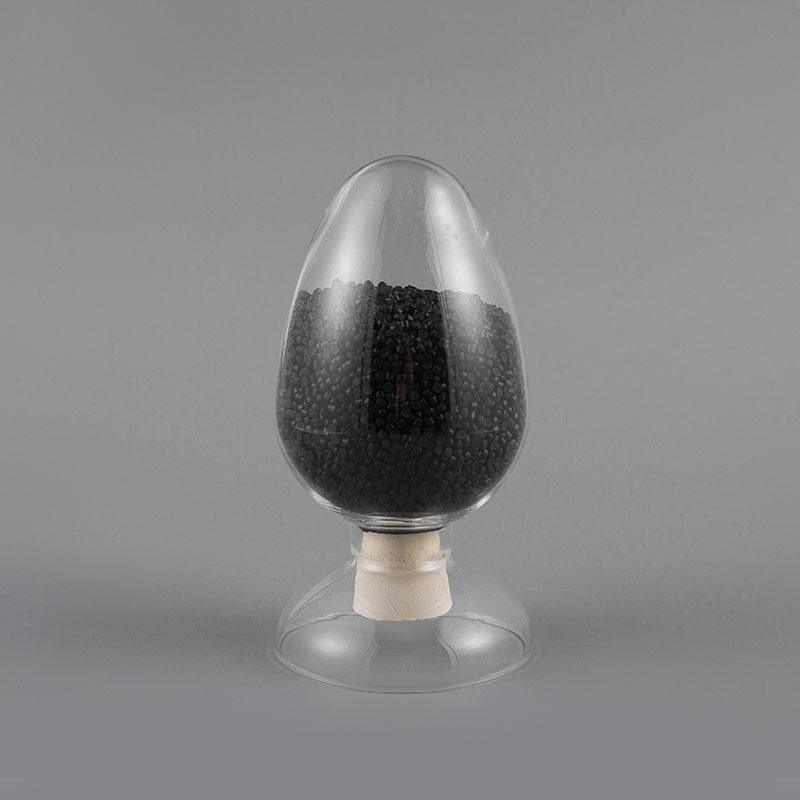
Silane XLPE Compounds
Polyethylene-based insulation cross-linked through silane technology, delivering improved thermal, electrical, and mechanical performance for power cable manufacturing.
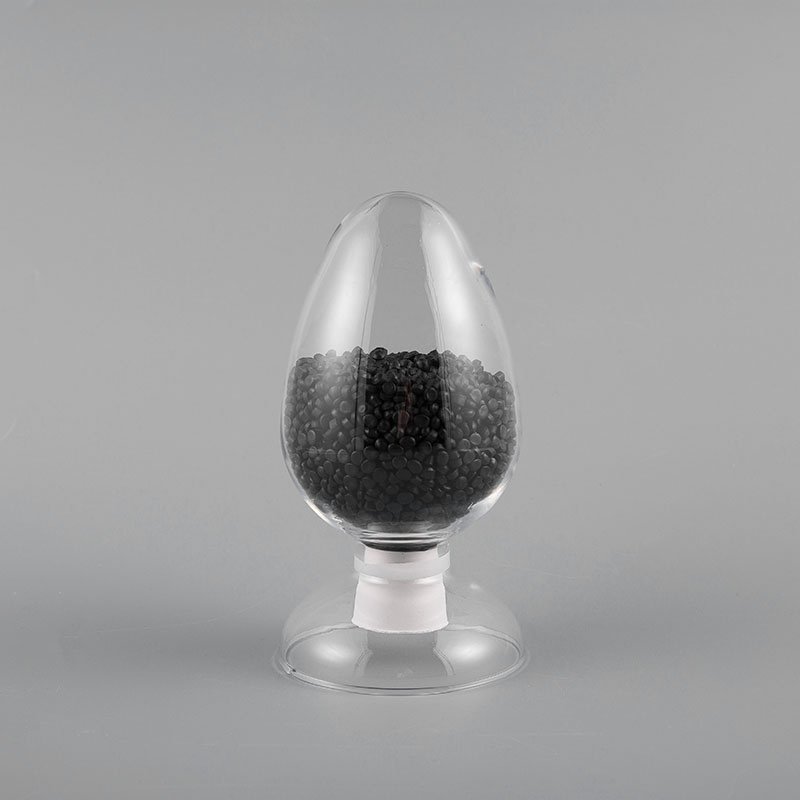
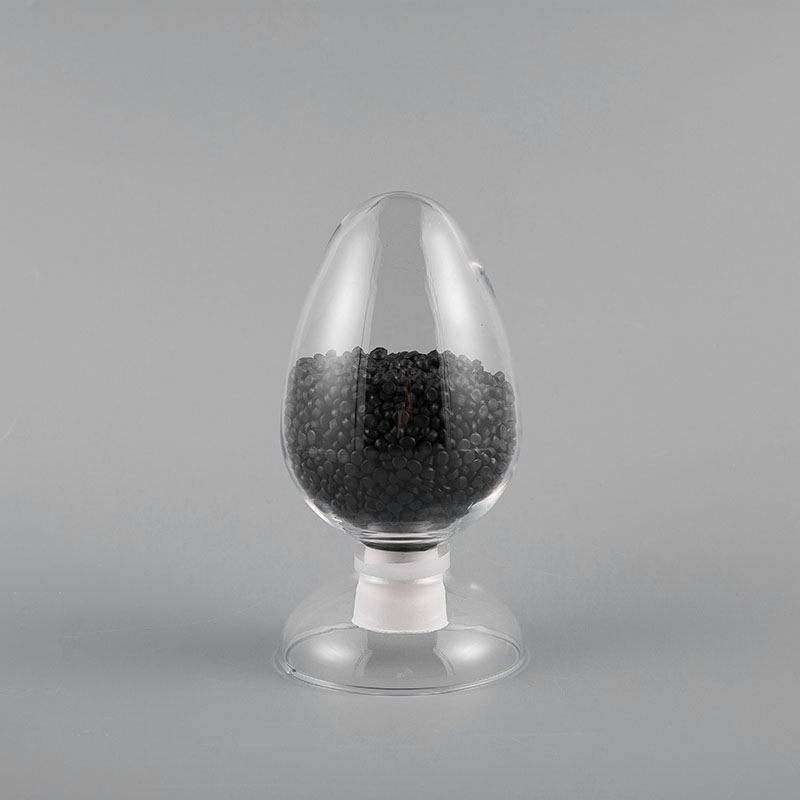
PVC Insulation Material
Polyvinyl chloride insulation, one of the most widely used traditional materials, chosen for cost efficiency, processing convenience, and wide availability.
Why insulation material decides cable performance01
The insulation layer prevents current leakage and reduces electrical failure risk, protects the conductor mechanically, resists moisture and temperature swings, and directly determines how long a cable stays reliable in service.
Key differences at a glance02
| Factor | Silane XLPE Compound | PVC Insulation Material |
| Material Type | Cross-linked polyethylene | Polyvinyl chloride |
| Temperature Resistance | Higher | Moderate |
| Electrical Performance | Excellent | Good |
| Mechanical Strength | Higher | Moderate |
| Aging Resistance | Better | Depends on formulation |
| Processing | Requires cross-linking process | Easier processing |
Electrical and thermal performance compared03
Silane XLPE compounds provide high dielectric strength and stable insulation performance suited to demanding power transmission, and they support higher operating temperatures while maintaining performance under thermal stress. PVC delivers reliable insulation for standard electrical systems and normal voltage requirements, though its performance can decrease as operating temperatures rise.
Relative performance comparison based on typical material characteristics; actual values vary by formulation and testing standard.
Mechanical and environmental performance04
Silane XLPE offers better resistance to stress with stronger structural stability and good moisture resistance suited to demanding environments, including underground cable systems. PVC provides adequate mechanical performance and acceptable environmental protection for standard installations, with results depending on the specific formulation used.
Where each material is commonly used05
Silane XLPE cable insulation appears in commercial and residential building power systems, industrial power distribution, renewable energy systems such as solar and wind power cables, and underground installations where moisture resistance matters most. PVC insulated cables remain common in residential wiring, general low-voltage electrical cables, and commercial wiring projects where cost efficiency drives the decision.
Choosing between XLPE and PVC06
Higher temperature environments, long service life requirements, industrial power systems, and renewable energy applications.
Standard electrical applications, cost-sensitive projects, and general wiring systems with normal operating conditions.
What manufacturers should evaluate before switching compounds07
Beyond raw performance, manufacturers weigh processing compatibility with existing extrusion equipment, batch-to-batch material consistency, voltage and temperature performance requirements for the target application, and a supplier's technical support, production capacity, and testing standards. Cable insulation is trending toward higher-performance polymer compounds, better energy transmission efficiency, and more environmentally conscious formulations, which is steadily expanding where Silane XLPE compounds for power cables make sense over traditional PVC.