
 English
 中文简体
中文简体 русский

Article Directory
How Flame Retardant Ratings Affect LSZH Compound Selection
The flame retardant rating determines which LSZH compound you can use, not as a preference but as a hard constraint. It sets the filler loading, the base polymer, the need for crosslinking, and the extrusion behaviour of the material. Choose the rating late in the project, and you risk failing a reaction-to-fire test or paying for performance the cable never needed.
A typical case makes this clear. A cable producer receives two LSZH (low smoke, zero halogen) orders in the same week. One is a building wire destined for a high-rise project in Europe; the specification demands CPR Class B2ca. The other is a flexible cable for rail rolling stock that must satisfy EN 45545-2 requirement set HL3. Both products are low smoke and halogen-free, yet neither can be made from the same compound. A single material would either overshoot the fire performance and inflate material cost, or fall short of the certification limit and block the project.
This is why the selection process should always begin with an unambiguous statement of the required flame retardant rating, followed by the temperature class and mechanical needs of the final cable.
What a Flame Retardant Rating Actually Measures
A flame retardant rating is a package of tests, not a single number. The most common standards appear in different markets, and each combines flame spread with other fire-related properties:
- IEC 60332-1-2: vertical flame propagation of a single cable. It is a basic screening test, not a measure of fire safety in an installation.
- IEC 60332-3: flame spread of a bundle of cables, which is closer to real installation conditions.
- EN 50399: used by the European Construction Products Regulation (CPR) for heat release and flame spread, and it determines the B2ca, Cca, Dca, or Eca class.
- EN 60754-2: acidity of combustion gases, which is where zero-halogen behaviour is verified.
- EN 61034-2: smoke density, commonly paired with fire classification in transit and marine specifications.
- GB 31247: the Chinese standard that defines B1, B2, C, and D grades for the burning behaviour of cables.
- EN 45545-2: railway requirements, with hazard levels HL1, HL2, and HL3 combining flame spread, smoke density, and smoke toxicity.
For compound selection, the important consequence is that "LSZH" and "flame retardant" are two separate axes. A compound can be halogen-free and still only pass a modest single-cable flame test. Achieving a higher class such as B1 or B2ca requires a deliberately engineered flame retardant system.
How the Rating Drives the Formulation
Filler Loading and the Flame Retardant Mechanism
Most thermoplastic LSZH compounds achieve flame retardancy with inorganic hydroxide fillers, typically alumina trihydrate (ATH) or magnesium hydroxide (MDH). These fillers decompose endothermically when heated, release water, and form an insulating char layer that slows flame spread and suppresses smoke. The higher the target flame retardant class, the higher the filler loading needs to be, and the less polymer remains available for mechanical strength and flexibility.
What Higher Loading Changes in Practice
The mechanical and processing consequences are predictable. As flame retardant loading increases, tensile strength and elongation at break tend to decrease, hardness rises, and the melt becomes more difficult to extrude smoothly. The following table gives indicative values observed across typical thermoplastic LSZH grades:
| Property | Cca / Dca type | B2ca / C class | B1 class |
|---|---|---|---|
| Flame retardant filler loading | Moderate | High | Very high |
| Typical tensile strength (MPa) | 10 - 13 | 9 - 12 | 8 - 11 |
| Typical elongation at break (%) | 150 - 250 | 120 - 200 | 100 - 180 |
| Oxygen index (indicative) | 28 - 32 | 32 - 38 | 38 - 45 |
| Extrusion behaviour | Standard | Requires care | Higher screw wear and surface control needed |
| Relative cost index | 1.0 | 1.15 - 1.25 | 1.3 - 1.5 |
Crosslinking as a Compensating Tool
Crosslinking changes this trade-off. Irradiation-crosslinked and silane-crosslinked LSZH compounds recover a large part of the mechanical property loss caused by high filler loading, and they allow temperature ratings to climb to 105 °C, 125 °C, or even 150 °C without creeping or deforming at continuous operating temperature. In practice, this is why higher fire classes in demanding applications are usually supplied as crosslinked grades rather than purely thermoplastic ones.
Matching the Rating to the Application
Building and Construction
In Europe, CPR classes such as B2ca and Cca govern cables installed in buildings, and the classification must be backed by a declaration of performance from an approved testing body. In China, GB 31247 B1 and B2 grades play a similar role in high-rise and public buildings. For project wiring and power distribution cables, a B1-grade thermoplastic LSZH sheath compound provides the flame resistance and extrusion stability that building wire producers rely on while keeping smoke production within the limits of the standard.
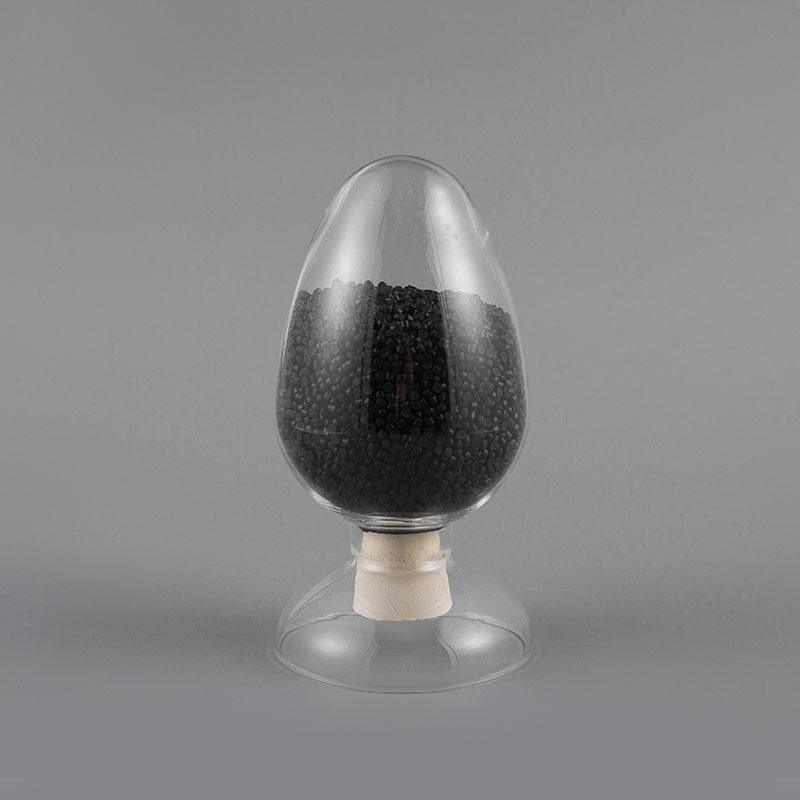
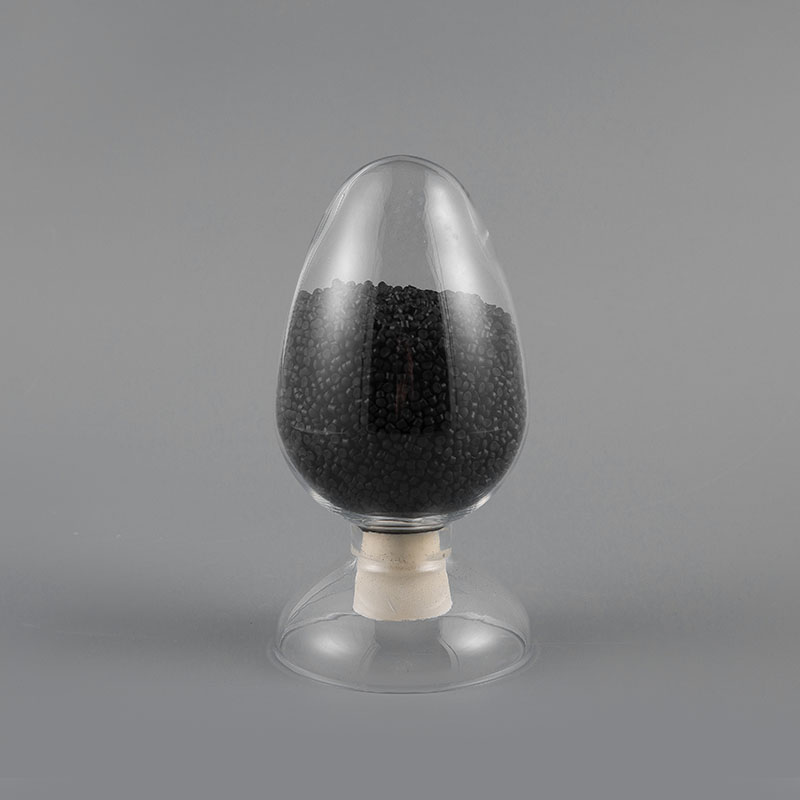 Wholesale ML-H9001B1 Thermoplastic LSZH flame- retardant B1 grade sheath materiaWe Are China Wholesale ML-H9001B1 Thermoplastic LSZH flame- retardant B1 grade sheath material Suppliers, Factory, Hangzhou Meilin New Ma...View Product →
Communication and Data Centres
Communication cables in data centres and public buildings are often specified by CPR class or smoke density limits, because a fire in a riser or server room can spread through cable bundles before suppression systems respond. The CPR fire-safety requirements for communication cables are now part of routine tender documents, so compound suppliers must be able to document the exact class. When the specification lands on B2ca, a B2ca-rated LSZH sheath material for communication cables is the practical choice because it balances flame spread, heat release, and processability on high-speed extrusion lines.
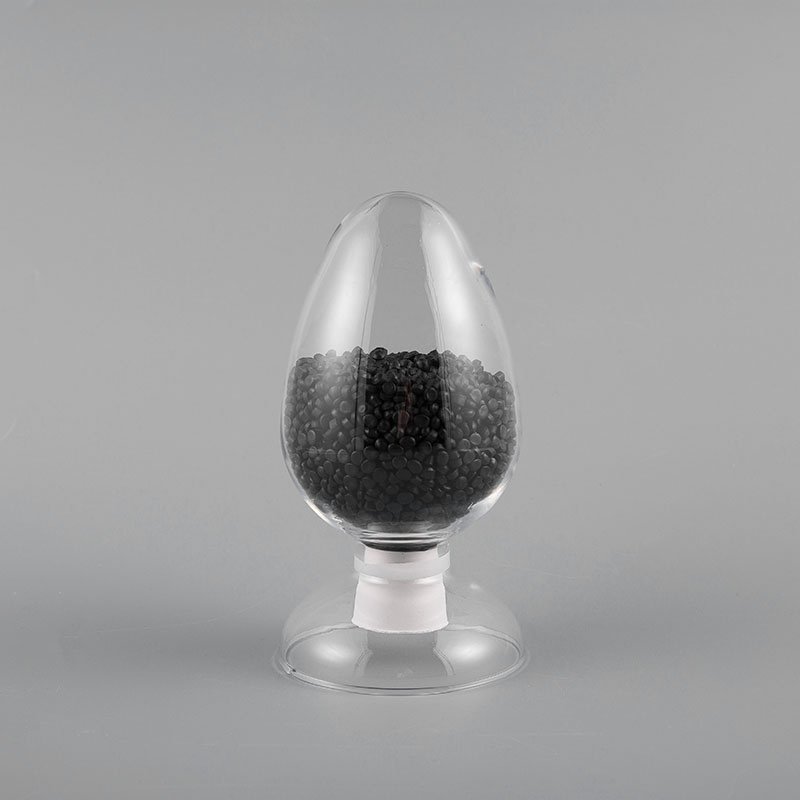
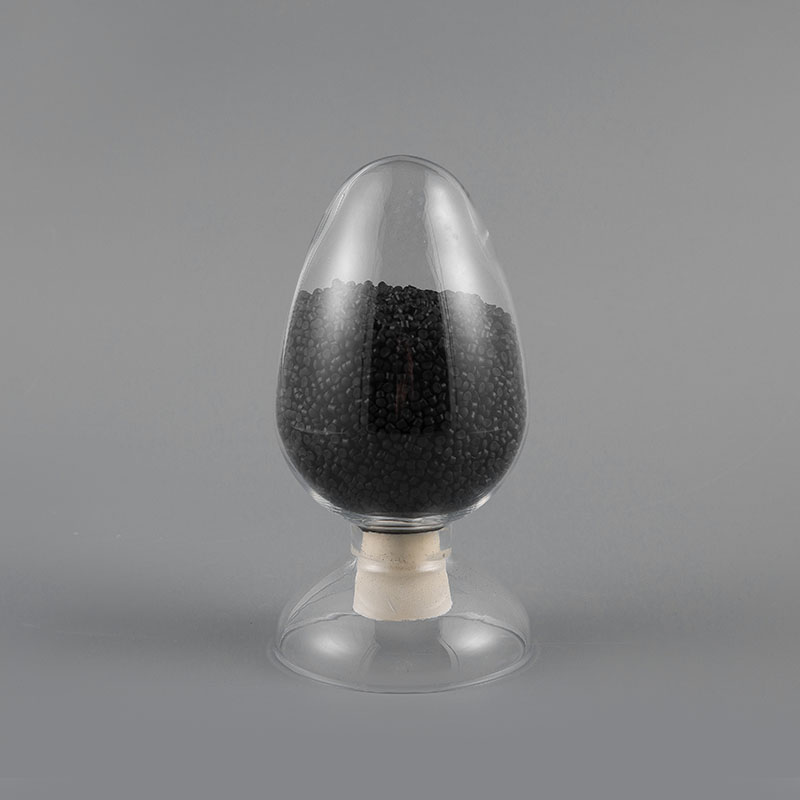 Wholesale ML- TH9002B2 Thermoplastic LSZH flame- retardant B2ca grade sheath mWe Are China Wholesale ML- TH9002B2 Thermoplastic LSZH flame- retardant B2ca grade sheath material Suppliers, Factory, Hangzhou Meilin ...View Product →
Power Cables and Energy Systems
Power cables face longer circuits, higher operating temperatures, and more severe fault conditions. The fire class is usually combined with a temperature rating of 90 °C or 105 °C, and frequently with oil resistance or cold resistance. Selecting a compound means verifying both the fire class and the long-term thermal rating, since a material that passes B1 at 90 °C is not automatically qualified at 125 °C.
Rail Transit and Marine
Railway standards such as EN 45545-2 group materials by hazard level, and the tests include smoke density and toxicity, not only flame spread. Marine applications follow similar logic under the IMO FTP Code. For rolling stock and transit projects, a 90 °C B1-class halogen-free low-smoke compound is commonly specified because it passes both flame-spread and smoke-density tests required by these standards while retaining enough flexibility for thin-wall construction.
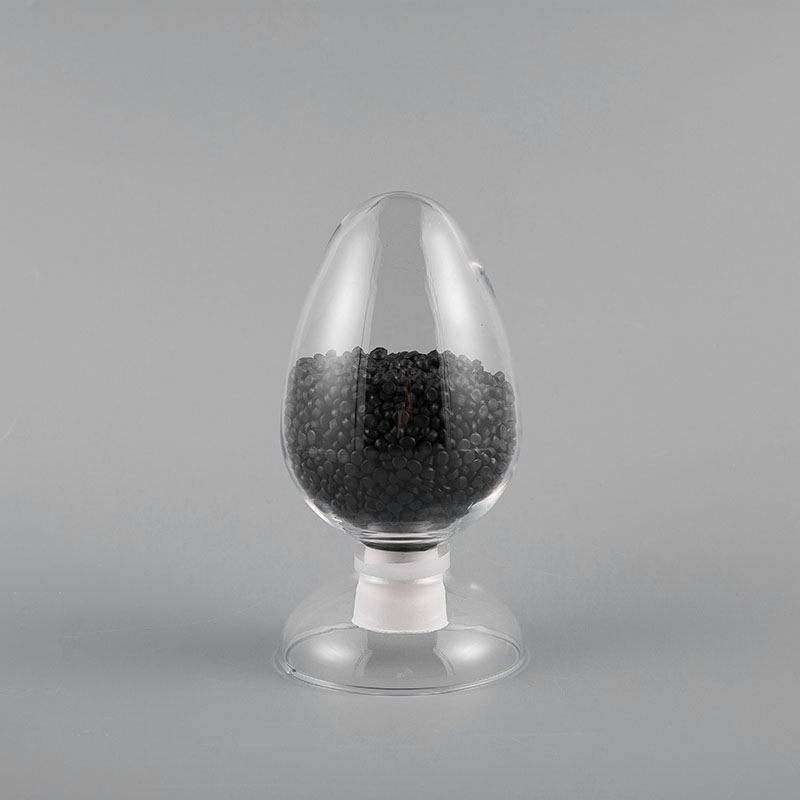
Wholesale ML-H9001B1 90℃ Halogen-Free Low Smoke Flame Retardant Class B1 Sheath We Are China Wholesale ML-H9001B1 90℃ Halogen-Free Low Smoke Flame Retardant Class B1 Sheath Compound Suppliers, Factory, Hangzhou Meilin...View Product →A Practical Selection Workflow
With the rating understood, the selection process becomes systematic. The following order prevents the most common specification mistakes:
- Establish the standard that the finished cable must pass. This determines which fire class, smoke limit, and toxicity requirement are mandatory.
- Define the fire class precisely. Write down the exact designation, such as B2ca, B1, Cca, or HL3, and confirm the test method that goes with it.
- Set the temperature rating and decide whether the compound must be crosslinked. Ratings above 105 °C almost always point to XLPO grades.
- List secondary mechanical requirements: flexibility, oil resistance, low-temperature performance, or abrasion resistance.
- Compare candidate grades against real test reports, not summary tables. The same class from different suppliers can behave very differently on a cable line.
- Run an extrusion trial with the selected compound before full production, and check surface quality, output rate, and thermal shrinkage.
For communication and data cable producers, starting from LSZH compounds for communication cables with a clear CPR class target saves most of the back-and-forth between the cable standard and the material data sheet.
What to Verify With Your Compound Supplier
A flame retardant rating is only as reliable as the testing behind it. Ask the supplier for third-party test certificates that correspond exactly to the class you are buying. Check that the certificate covers the same temperature grade, not just the product family. And confirm batch-to-batch consistency, because flame retardant performance is highly sensitive to filler dispersion and moisture content.
This is where a manufacturer's own verification capability matters. A compound supplier with dedicated laboratory testing equipment for flame and smoke verification can check incoming raw material and finished compound against the same test parameters used in your cable certification, which shortens the qualification cycle significantly. Production scale also matters: consistent flame-retardant results across 31 automated production lines come from controlled compounding, dust handling, and quality management rather than from a formula on paper.
The final recommendation is simple: choose the flame retardant rating first, because it dictates the entire compound design. Then verify the temperature class, the mechanical properties, and the evidence behind the certificate. A disciplined selection process turns LSZH compound selection from a guess into a repeatable engineering decision.